-
Allergy & Clinical Immunology -
Cardiovascular Medicine -
Gastroenterology & Hepatology -
General Medicine -
Genetic Medicine -
Geriatric & Palliative Medicine -
Hematology & Oncology -
Hospital Medicine -
Infectious Diseases -
Metabolism, Endocrinology & Diabetes -
Nephrology -
Pulmonary & Critical Care Medicine -
Rheumatology

Gastroenterology & Hepatology: Clinical & Research Programs
The faculty members at the U-M Medical School Department of Internal Medicine Division of Gastroenterology & Hepatology are involved in a wide range of basic, translational and clinical research programs that span all of the gastroenterology and hepatology sub-specialty areas.
Dedicated to Expertise
Comprehensive Pancreas Program: A program that aims to provide the best possible clinical care for patients with pancreatic disorders through patient-centered clinical care, education, innovative research and multidisciplinary collaboration.
Esophageal Disorders Program: This program integrates consultative services and endoscopic therapy, along with cutting-edge patient-oriented and translational research, to improve treatment for patients with esophageal disorders.
Functional Bowel Disorders Program: This program provides patient education and contributes to clinical research related to FBD. Our team of caring experts are equipped to help patients develop a plan for diagnosing and treating different types of bowel disorders.
Hepatology Program: This program is one of the largest and most prestigious Hepatology programs in the world. Our team has excelled in research, education, and in providing compassionate care since 1954. It includes over 18 faculty members and four advanced practice providers with world-leading expertise in a wide variety of liver diseases
Inflammatory Bowel Disease Program: An internationally recognized group of clinicians, surgeons, researchers and educators dedicated to the management of the inflammatory bowel diseases. Our specialists work to provide complete care for the complex issues associated with Crohn's disease and ulcerative colitis.
Interventional Endoscopy Program: A program that strives to provide state-of-the-art clinical care, education and research. Our faculty have contributed to the development of national guidelines on standard endoscopic practices, are part of journal editorial boards, and are often invited as speakers at national conferences.
Michigan Bowel Control Program: A multidisciplinary program that specializes in the diagnosis and treatment of defecation disorders and other disorders of the posterior pelvic floor. This expert team strives to increase understanding of the physiology of conditions, implement new therapies and technologies and improve treatment results for patients through ongoing clinical trials and basic science research.
Featured News & Stories
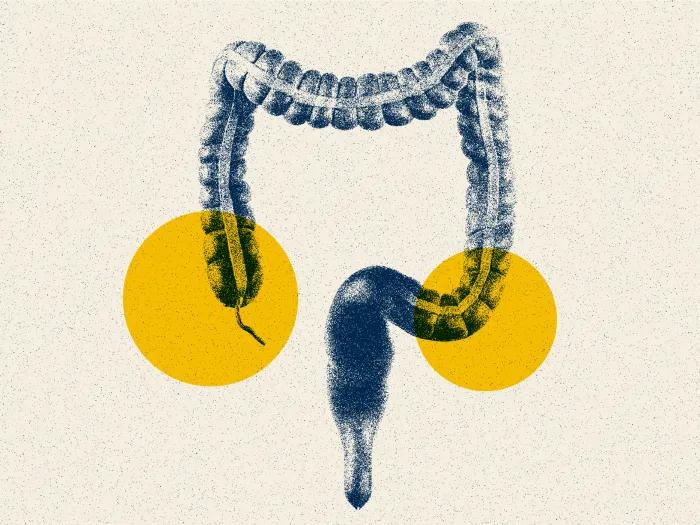
Enzyme supplement improves IBS symptoms for most in new study

Akbar K. Waljee, MD, MSc, appointed Associate Dean of Global Health Research

Exceptional response to immunotherapy gives patient with liver cancer more milestones to celebrate

Liver cancer can be preventable. Do you know the treatable risk factors?
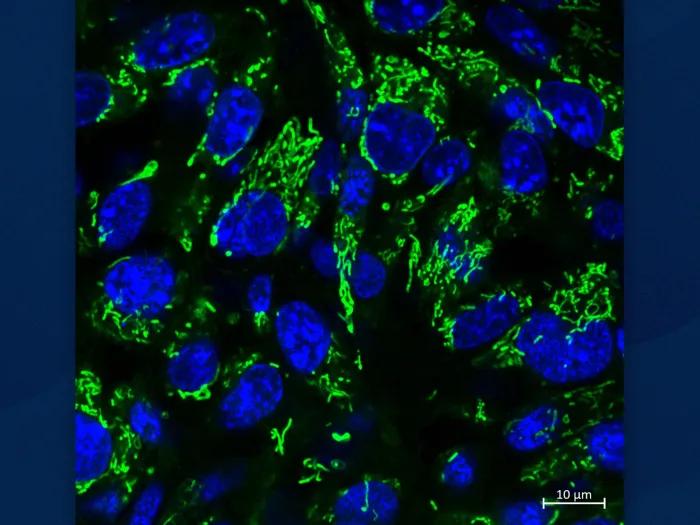
Engineered nanoparticles sensitize gliomas to radiotherapy