
Endocrinology Fellowship Curriculum & Training
The Endocrinology Fellowship Training Program provides rigorous clinical training within a large, diverse patient population, paired with exceptional research opportunities spanning basic, clinical, and translational science.
For More Information
Program Overview
The first year emphasizes a broad and balanced experience across both outpatient and inpatient settings, ensuring fellows develop strong clinical foundations. In the second year, fellows work closely with program leadership to design an individualized schedule aligned with their career aspirations. Our flexible training structure supports multiple career pathways, including:
- General endocrinology practice
- Subspecialty expertise
- Clinician-educator roles
- Academic endocrinology
- Physician-scientist careers
Our deep involvement in our national societies and our wide alumni network also help our graduates with national involvement and job opportunities.
Program Tracks
Whether interested in a career as a clinician, clinical educator, or physician scientist, prospective trainees apply to the two-year fellowship training program.
After a year of intensive clinical training, fellows can customize the second year to align with their individualized career goals. The second year is approximately 50-60% clinical activities with a heavy emphasis on outpatient electives and VA clinics. The remaining 40-50% time can be customized to include:
- Research: basic science, translational, or clinical
- Quality improvement and patient safety
- Education training
- Clinical improvement (including the option to specialize clinical expertise)
For those pursuing a career as a physician scientist after completion of the two-year fellowship, additional years of support can be provided via the NIH training grant T32DK007245. Appointees receive a faculty designation and the grant provides salary support and protects 70-80% of time for research. Applicants must be U.S. citizens or permanent residents to be appointed to the training grant.
While on the grant, appointees gain experience in autonomous patient care and work with their research mentors to build a career as an independent researcher and leader in endocrinology.
NOTE: Individuals accepted to the U-M Medical School Physician Scientist Training Program (PSTP) complete two years of internal medicine residency, followed by four years of fellowship training. This is part of the American Board of Internal Medicine (ABIM) research pathway (ABRP).
Clinical & Research Training
Our fellows receive in-depth clinical and research training under the mentorship of dedicated faculty members who are experts in their fields.
The first year of fellowship is clinically intensive and involve rotations at:
- University of Michigan Hospital main campus
- University of Michigan outpatient clinic sites (with the main site located at Domino’s Farms in Ann Arbor)
- Ann Arbor Veteran's Administration (VA) Hospital and clinic
First year fellows’ schedules will typically include:
- Five-and-a-half months of outpatient clinical experiences that include rotations in the following clinics: multidisciplinary adrenal, multidisciplinary pituitary, multidisciplinary thyroid, general diabetes, atypical diabetes, endocrine oncology, endocrine genetics, endocrine in pregnancy, gender services, pediatric endocrinology, lipids, obesity, post-bariatric, endocrine surgery, thyroid fine needle aspiration, and more.
- Three months of inpatient University consultation service
- Three months of combined inpatient-outpatient VA service
- 10 days on our inpatient hyperglycemia service
Note: The U-M Continuity of Care Clinic is Friday morning, and all fellows attend this clinic for two years except when on the University consultation service. In the clinic, fellows see patients with general endocrinology and diabetes conditions and cases are staffed with experienced attendings.
The second year of fellowship is customized to promote individualized career goals. The schedule typically includes:
- Seven months of customized time that can include clinical electives and scholarly activities
- One month of University consultation service
- One month of VA combined inpatient-outpatient service
- Three months of VA outpatient clinics
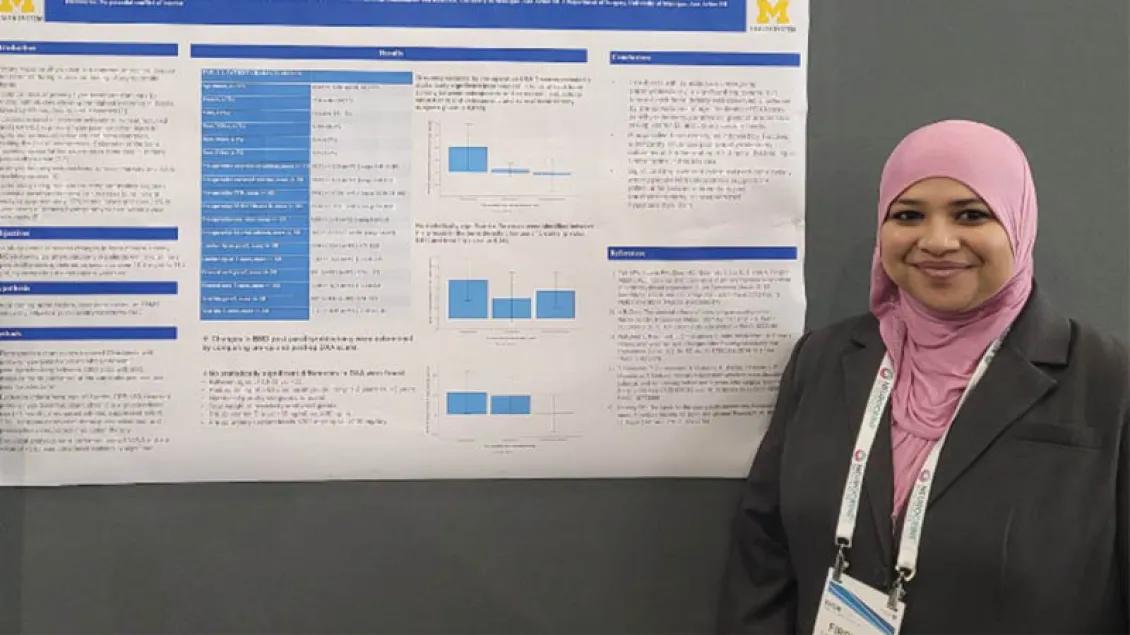
Participation in meaningful scholarly activities is an important part of the fellowship training. Our fellowship training program provides ample opportunities to engage in basic, translational, clinical and/or health services / outcomes research in endocrinology and associated fields. Fellows are expected to complete one research and one quality improvement project by the end of their fellowship, resulting in an abstract presentation and manuscript publication in a peer-reviewed journal.
Our program offers:
- Dedicated, mentored research / QI time (fellows expected to focus their academic interests and identify a primary research mentor in their first year of fellowship)
- Biannual meetings with the APD to discuss research progress and opportunities
- Summer research didactic series, focusing on research methodology and building academic skills, such as writing a scientific abstract / manuscript, giving a presentation, submitting an IRB application, etc.
- Weekly division-wide research conferences
- Monthly journal club
- Various opportunities to present research / QI projects at regional and national meetings
- Optional opportunities to write grant proposals or secure research funding for fellows interested in pursuing an academic research career beyond fellowship
Conferences & Educational Opportunities
Weekly Fellow Conferences
- Teaching/didactic conference (delivered by faculty)
- Rotating Thursday conference (based on week of the month)
- Board review
- Case report
- Journal club
- Rotating Friday conference (based on week of the month)
- Pituitary case conference
- Bone case conference
- Fellows team meeting
- Endocrine Oncology Tumor Board
- Division Clinical and Research Conferences
Additional Educational Conference Opportunities
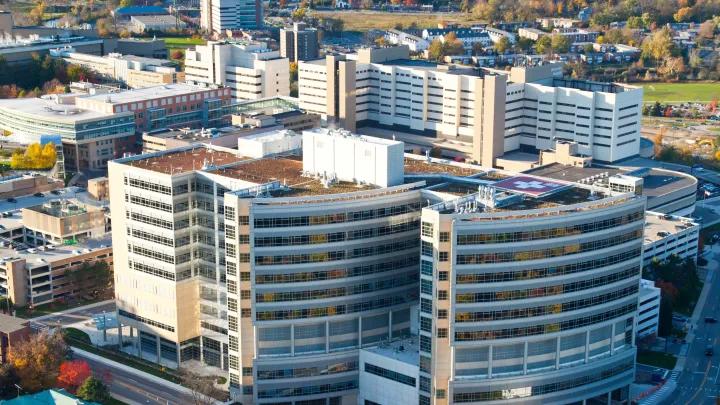
See Where Training Takes Place
Expand your career trajectory in a high-volume academic medical center that also supports and excels in a wide range of basic science, translational and clinical research programs.

Life in Ann Arbor
We find a new reason to love Ann Arbor nearly every day — year-round outdoor activities, cultural experiences, a growing food scene, and a welcoming, family-friendly atmosphere are just a few that come to mind. Explore all that Ann Arbor and our surrounding communities have to offer.
