
Back to Department of Internal Medicine
-
Allergy & Clinical Immunology -
Cardiovascular Medicine -
Gastroenterology & Hepatology -
General Medicine -
Genetic Medicine -
Geriatric & Palliative Medicine -
Hematology & Oncology -
Hospital Medicine -
Infectious Diseases -
Metabolism, Endocrinology & Diabetes -
Nephrology -
Pulmonary & Critical Care Medicine -
Rheumatology
Internal Medicine Divisions
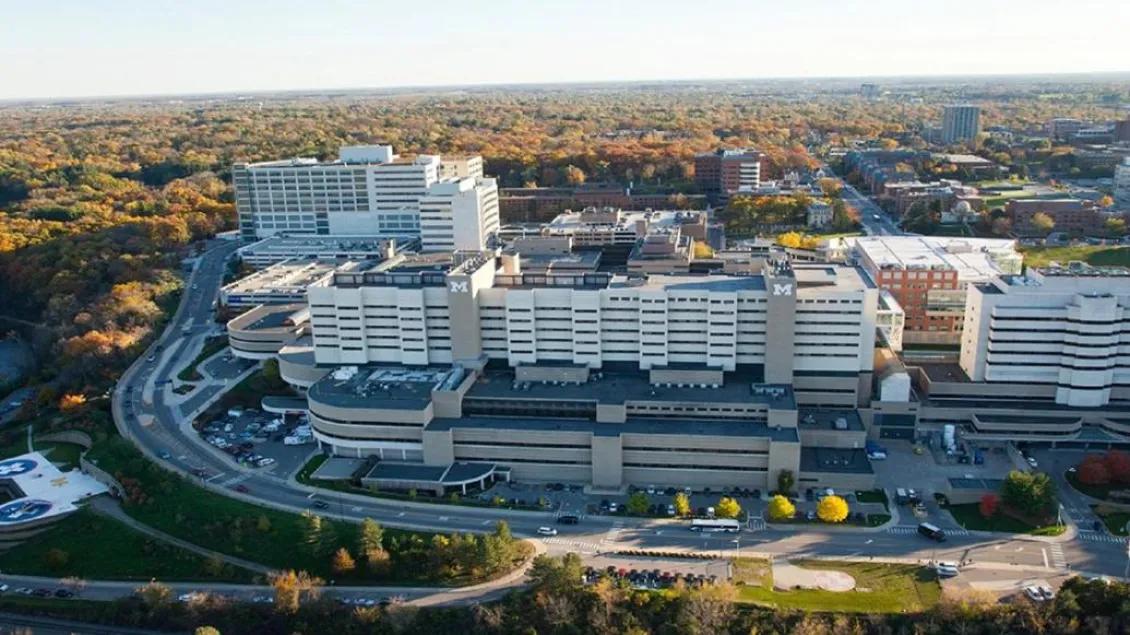
Our Divisions
Working together to create a true impact nationally and globally.
Making an Impact on Health care
The U-M Department of Internal Medicine is comprised of 13 divisions with nearly 2,500 faculty, staff and trainees spread across numerous campuses, clinics, facilities and centers at Michigan Medicine and throughout the state of Michigan. Our faculty, staff and trainees excel as clinicians, researchers, educators, leaders and mentors, all working together to advance patient care, education and research that has a lasting impact regionally, internationally and globally.
Our Divisions
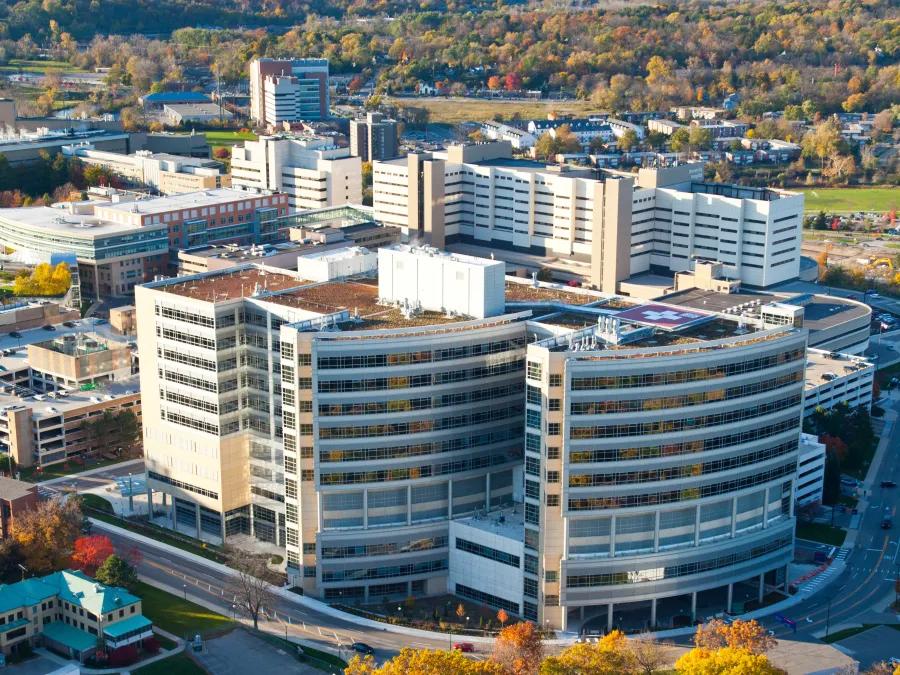
See Where Training Takes Place
Expand your career trajectory in a high-volume academic medical center that also supports and excels in a wide range of basic science, translational and clinical research programs.
Featured News & Stories
Health Lab Podcast
Human Rabies Exposures Growing Across the Country
Infectious disease experts weigh in on what to do if you think you’ve been exposed to rabies.

Health Lab
Top 7 tips for choosing Medicare prescription drug coverage for 2027
Prescription drug coverage through Medicare Advantage and Part D plans in traditional Medicare has changed for 2027, and older adults may not know about programs that could help with costs.
Health Lab
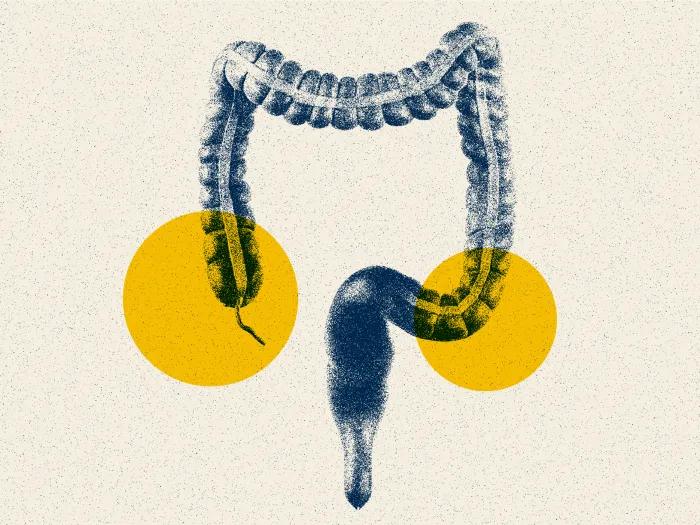
Enzyme supplement improves IBS symptoms for most in new study
A FODMAP-targeted enzyme blend led to irritable bowel syndrome symptom improvement for most patients after four weeks
Philanthropy News
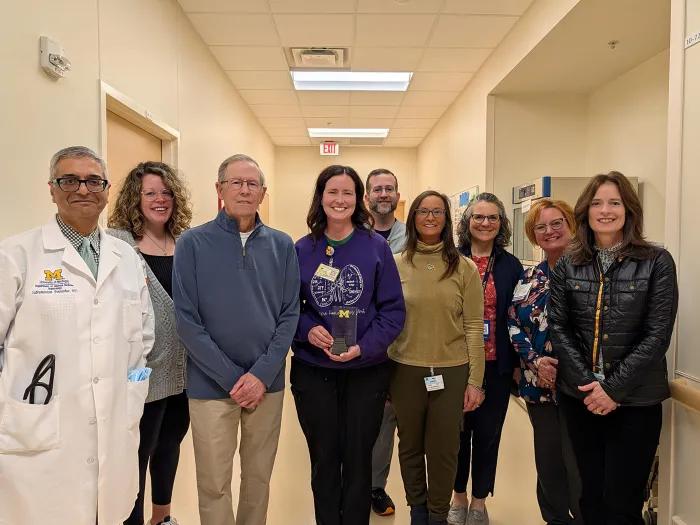
Family’s gift honors wife and mother, supports nephrology nurses
The Coulson family is honoring Barbara Coulson's memory by recognizing exceptional dialysis nurses and investing in professional development that will strengthen patient care.
Health Lab
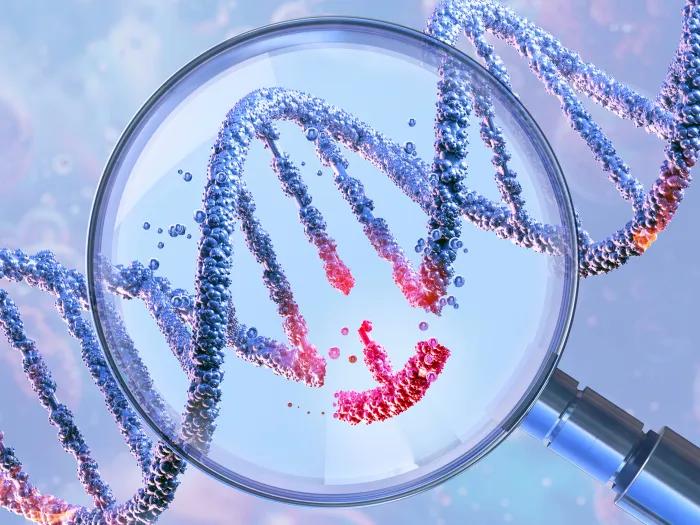
Gene editing is coming for common diseases. Are we ready?
Gene therapies may offer one-time treatment for disease, but experts say safety, reversibility, cost and long-term monitoring must guide use.
Medical School News
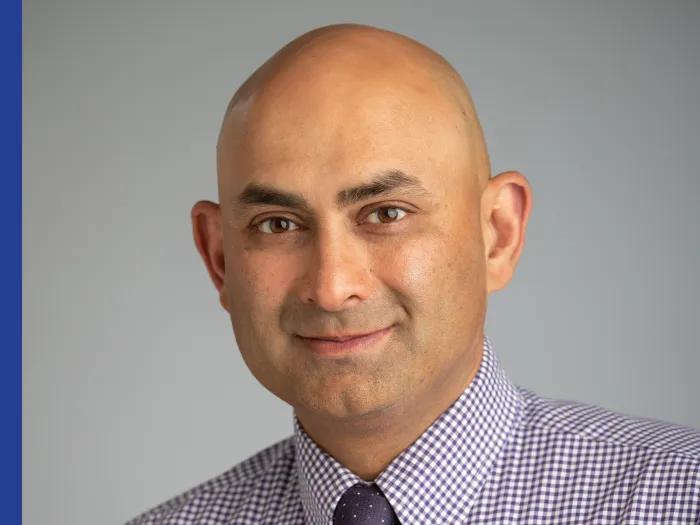
Akbar K. Waljee, MD, MSc, appointed Associate Dean of Global Health Research
The Board of Regents has approved the appointment of Akbar K. Waljee, M.D., M.Sc., as associate dean of global health research, effective Oct. 1. In his new role, Waljee will report to the dean and will be responsible for leading and coordinating international research efforts in the Medical School Office of Research.
