
-
Allergy & Clinical Immunology -
Cardiovascular Medicine -
Gastroenterology & Hepatology -
General Medicine -
Genetic Medicine -
Geriatric & Palliative Medicine -
Hematology & Oncology -
Hospital Medicine -
Infectious Diseases -
Metabolism, Endocrinology & Diabetes -
Nephrology -
Pulmonary & Critical Care Medicine -
Rheumatology
Gastroenterology & Hepatology
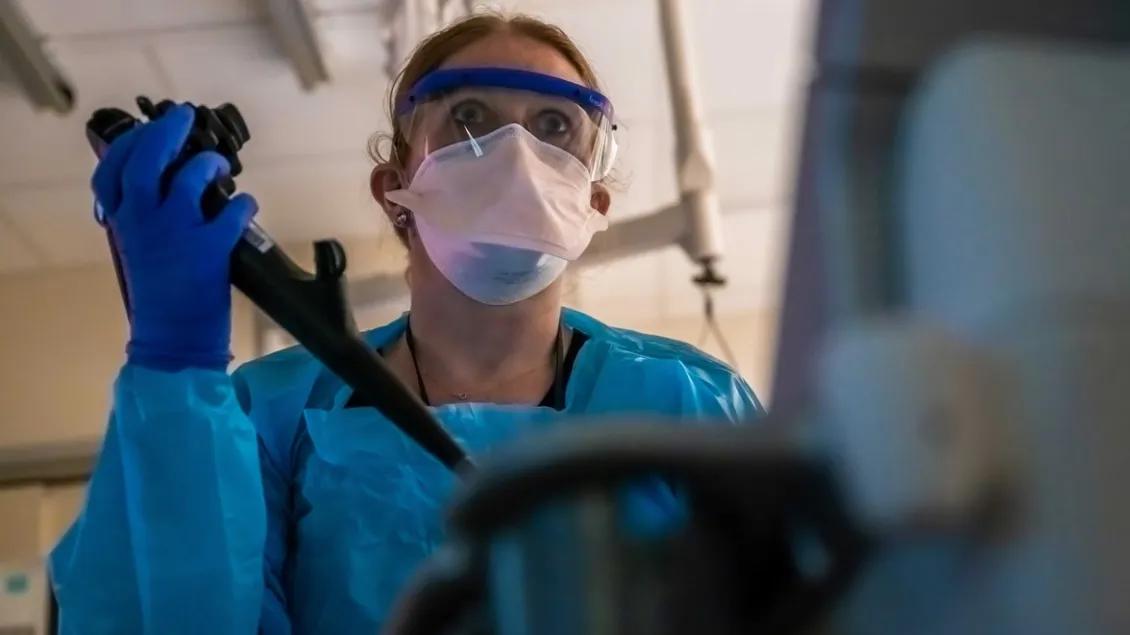
Division of Gastroenterology & Hepatology
We focus on the prevention, diagnosis and treatment of gastrointestinal tract and liver diseases.
Leaders in the Field
The U-M Medical School Department of Internal Medicine Division of Gastroenterology and Hepatology has had a long history of excellence since 1947 that continues today. With 92 faculty, 23 fellows and over 150 staff, we are one of the largest gastroenterology practices in the country and a leader in the prevention, diagnosis and treatment of all diseases of the gastrointestinal system, from simple to complex, including those of the esophagus, stomach, small intestine, colon, rectum, liver, gallbladder, pancreas and biliary tract.
Your Gift Transforms Health Care
Giving to Gastroenterology
Your gift supports expert gastroenterology care and digestive disease research that transforms lives.
Giving to Hepatology
Your gift supports life-transforming care, answers, and research for people living with liver disease.
Join Our Team
The Division of Gastroenterology and Hepatology welcomes board certified candidates for faculty positions who have a commitment to outstanding patient care and endoscopic practice with an interest in teaching, academic medicine and scholarship.
Welcome from the Division Chief
Dr. William Chey shares why our Division of Gastroenterology & Hepatology is a national leader in the field. From state-of-the-art clinical care for referring providers to world-class mentorship for trainees, see how we are advancing the future of digestive and liver health.
Nationally Ranked in Gastroenterology & GI Surgery
U-M Health has been recognized as one of the nation's top hospitals for gastroenterology and GI surgery by U.S. News & World Report for 2026-2027.
See Where Training Takes Place
Expand your career trajectory in a high-volume academic medical center that also supports and excels in a wide range of basic science, translational and clinical research programs.
CME Courses
View a list of upcoming Continuing Medical Education (CME) opportunities available through the Department of Internal Medicine.
Featured News & Stories
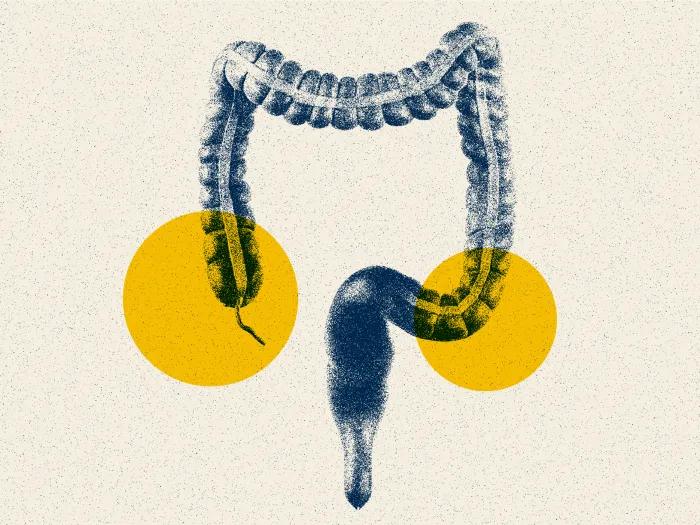
Enzyme supplement improves IBS symptoms for most in new study
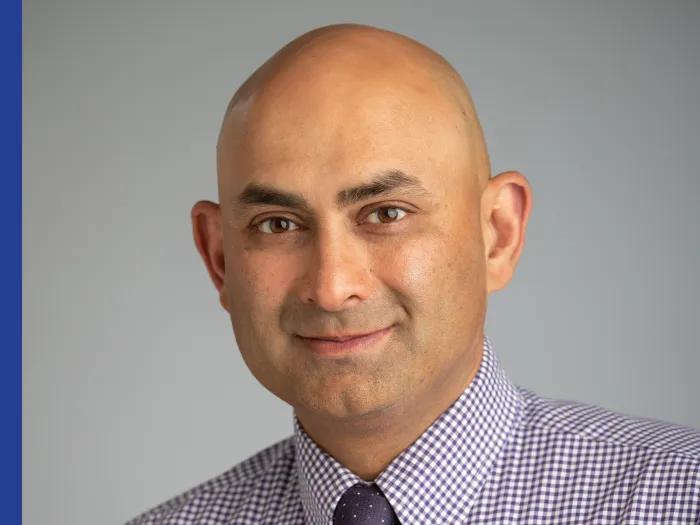
Akbar K. Waljee, MD, MSc, appointed Associate Dean of Global Health Research

Exceptional response to immunotherapy gives patient with liver cancer more milestones to celebrate

Liver cancer can be preventable. Do you know the treatable risk factors?
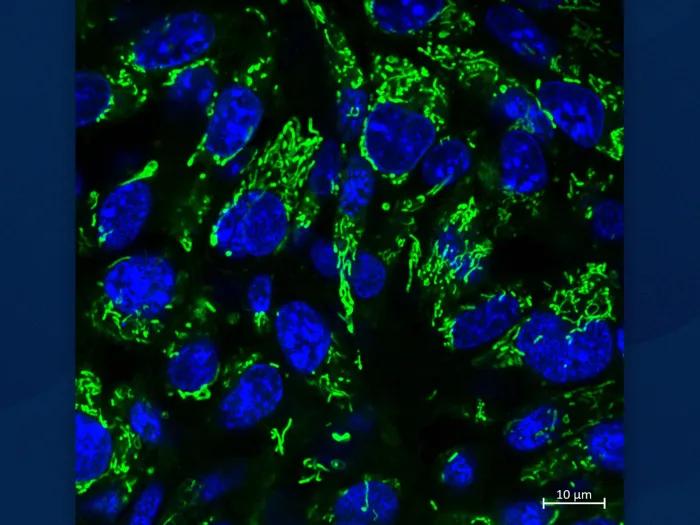
Engineered nanoparticles sensitize gliomas to radiotherapy
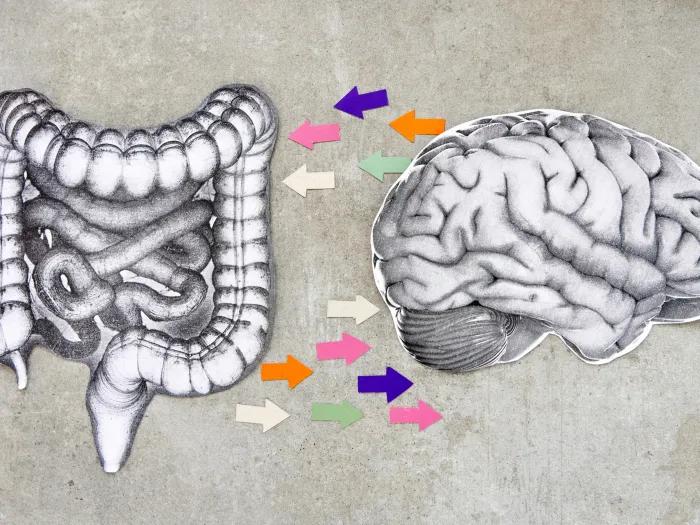
Identifying avoidant, restrictive food intake disorder in gastroenterology patients
Gastroenterology & Hepatology Internal Website
Resources and information for current GI & Hepatology faculty, staff and learners.
