

Hospice & Palliative Medicine Fellowship
The Hospice and Palliative Medicine (HPM) fellowship is a one-year program offered by the U-M Medical School Department of Internal Medicine Division of Geriatric & Palliative Medicine.
Learn more by jumping to the sections below:
For More Information
Program Overview
The Hospice and Palliative Medicine (HPM) Fellowship, led by Director Laura Taylor, MD, MSc, FAAHPM and Associate Directors Kayla Sheehan, MD and D'Anna Saul, MD, SFHM, FAAHPM, is a one-year program that promotes excellence in hospice and palliative medicine. Program objectives include developing experts and leaders in the field, and ensuring that patients with serious illness receive informed, expert, and appropriate care. Our program offers a wide variety of clinical rotations, educational experiences, and scholarly/research opportunities.
Trainees work with highly qualified faculty and interprofessional team members to prepare for a career in palliative medicine with an emphasis on academic and clinical practice. Fellows will be eligible to obtain board certification in hospice and palliative medicine at the completion of their training.
How to Apply
Application Requirements
- Applicants must have completed an ACGME approved residency program or osteopathic equivalent in one of the following disciplines: Internal Medicine, Family Medicine, Pediatrics, Child Neurology, Physical Medicine and Rehabilitation, Neurology, or Radiation Oncology; or, at least three clinical years in a residency program in Anesthesiology, Emergency Medicine, Obstetrics and Gynecology, Psychiatry, Radiology, or Surgery.
- Applicants must have an ECFMG certification for foreign medical graduates.
Please review the accordions below to find the exact requirements for your training level, including necessary assessments, signatures, and application materials.
Currently in an ACGME/CODA/CPME accredited training program:
- 3 letters of recommendation must come from faculty from the most recent clinical training program.
- When a trainee is transferring GME training programs, an additional letter of recommendation must be provided from the Program Director of the initial training program.
Currently employed and practicing clinically:
- Last GME training program was 1-2 years from the anticipated U-M Health start date:
- 1 letter of recommendation must come from the last Program Director
- 2 letters of recommendation must come from other faculty from the last training program
- 1 letter of recommendation from current supervisor, for a total of four (4) letters of recommendation
- Last GME training program was greater than 2-years from the anticipated U-M Health start date:
- 1 letter of recommendation must come from current supervisor
- 2 letters of recommendation from physician colleagues, for a total of three (3) letters of recommendation
Important Letters of Recommendation Rules:
- Letters of recommendation completed by individuals in a Chief Resident appointment will not be accepted.
- Additional assessments may be requested.
- Curriculum Vitae (CV)
- A personal statement reflecting commitment to hospice and palliative medicine
- USMLE and/or COMLEX scores
- The U-M Medical School GME utilizes the list of Medical Schools Recognized by Medical Board of California for eligibility in our fellowship program
Michigan Medicine will host all fellowship interviews virtually as the Association of American Medical Colleges (AAMC) has recommended.
Contact Us
GME Program Administrator
Frequently Asked Questions
Our program only accepts applications through ERAS. ERAS typically opens in Mid-July and continues to accept applications until our program fills all of our positions for the following year. The Hospice and Palliative Medicine Fellowship program participates in the NRMP Match. Therefore, it is highly encouraged that all applicants apply prior to the Match deadline which is typically in early November.
Yes.
No.
Yes.
Yes.
Yes.
We do not offer housing, but the House Officer Association has information on rentals available.
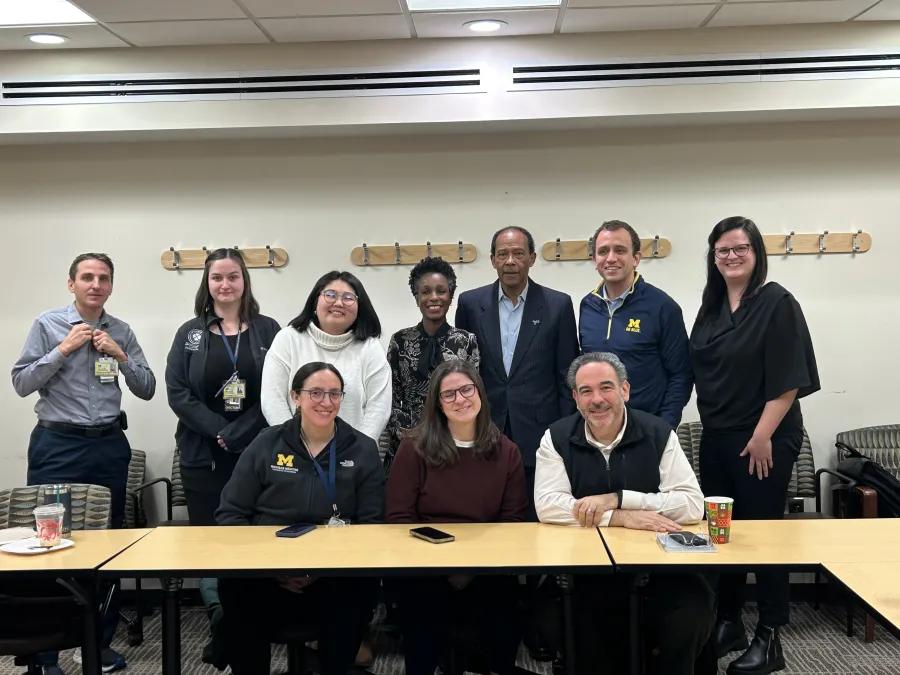
Current Fellows
We are committed to equipping each fellow with the necessary tools they need to excel as experts and leaders, to empower them to advance patient care, research, and education in hospice and palliative medicine.
Clinical & Research Training
Hospice and palliative medicine (HPM) fellows rotate through a wide range of clinical settings including inpatient, consultative, and ambulatory palliative care services, home hospice, and elective rotations.
Ambulatory Palliative Care Continuity Clinic Rotation
- Site: Lieutenant Colonel Charles S. Kettles VA Medical Center for adult HPM fellows; C.S. Mott Children’s Hospital for pediatric HPM fellows
- Goals: Improve knowledge and skills in providing palliative care in the outpatient setting, partner with outpatient clinic interdisciplinary team
- Duration: One half-day per week throughout the fellowship year
Hospice Rotation
- Site: Arbor Hospice in Ann Arbor, MI
- Goals: Work with interdisciplinary hospice team (both adult and pediatric-focused teams available), provide care to patients receiving home hospice services, understand hospice eligibility and certification, gain expertise in end-of-life care
- Site Director: Kristen McElreath, MD (Adult Hospice), Patricia Keefer, MD (Pediatric Hospice)
- Duration: Eight weeks for adult and pediatric HPM fellows
U-M Adult Palliative Care Inpatient Consultation Service
- Site: University Hospital (UH)
- Goals: Provide subspecialty palliative care consultation to adult inpatients which includes complex pain and symptom management, introduction to palliative care and hospice philosophies, provision of expert serious illness communication skills, and end-of-life care. Will directly manage four inpatient palliative care beds in partnership with members of the interdisciplinary team
- Site Director: Vanessa Wagner, MD
- Duration: Three blocks for adult HPM fellows; one block for pediatric HPM fellows
Stepping Stones Pediatric Palliative Care Consultation Service
- Site: C.S. Mott Children's Hospital
- Goals: Provide inpatient palliative care consultation to pediatric patients including complex pain and symptom management, advance care planning and values-guided decision support, introduction to palliative and hospice philosophies, care transitions, and end-of-life care
- Site Director: D’Anna Saul, MD
- Duration: One block for adult HPM fellows; six blocks for pediatric HPM fellows
VA Palliative Care Consultation Service
- Site: Lieutenant Colonel Charles S. Kettles VA Medical Center
- Goals: Provide subspecialty palliative care consultation to adult inpatients in the acute care hospital and the VA extended care unit, which includes complex pain and symptom management, introduction to palliative care and hospice philosophies, provision of expert serious illness communication skills, and end-of-life care.
- Site Director: Ellen Hummel, MD
- Duration: Four months for adult HPM fellows; one month for pediatric HPM fellows
Elective Rotation
- Site/Faculty: Variable based on trainee interests
- Options: Elective rotations offered in but not limited to the following areas: Anesthesia/Pain, Cardiology, Clinical Ethics, Hematology & Oncology, Radiation Oncology, Physical Medicine & Rehabilitation, Psychiatry, Psychology. Individual electives are typically focused on trainee’s goals and may include a variety of experiences.
- Duration: Six weeks for both adult and pediatric HPM fellows
Example Rotation Schedules
Block Schedule | Pediatric Fellow | Adult Fellow |
7/1-7/8/26 | Orientation | Orientation |
Block 1 | Peds | UH |
Block 2 | Hospice | Hospice VAC 8/3-8/9 |
Block 3 | Peds | VA |
Block 4 | VA | UH |
Block 5 | Elective VAC 11/6-11/22 | VA |
Block 6 | Peds | UH |
Block 7 | UH | Hospice 2 Week Ambulatory Block |
Block 8 | Peds | VA |
Block 9 | Hospice VAC 3/1-3/7 | Elective VAC 3/8-3/14 |
Block 10 | Peds | Hospice |
Block 11 | Hospice Week 2 Ambulatory Block VAC 4/26-5/2 | VA |
Block 12 | Elective | Peds |
Block 13 | Peds | Elective VAC 6/7-6/13 |
Overview
The curriculum is innovative, comprehensive, and strongly emphasizes all of the following educational domains:
- Hospice and palliative medicine approach to care
- Death and coping
- Psychosocial and spiritual support
- Bereavement support
- Pain assessment and management in cancer and non-cancer patients
- Assessment and management of non-pain symptoms
- Medical co-morbidities and complications with life-threatening diseases
- Optimizing quality of life
- Serious illness communication training
- Ethical and legal decision-making
- Quality improvement and research methodology in populations living with serious illnesses
- Caring for a diverse patient population with an emphasis on equity and inclusivity
Didactics Curriculum
- Core Topic Didactics: Just as the name implies these are core topics in Hospice and Palliative Medicine covered in the ACGME Hospice and Palliative Medicine Curricular Milestones. These lectures cover a wide range of topics, including (but not limited to) symptom management; disease-specific palliative care delivery models; effective communication and conflict management; and psychosocial/grief support.
- Complex Case Discussions/Journal Club: Fellows prepare and summarize HPM-relevant journal articles twice during the academic year. Fellows also present two complex case discussions during the year where they review an interesting or challenging patient case and present relevant literature to support the management plan. These presentations are open to other fellows and all faculty and interprofessional team members.
- M-Talk Serious Illness Communication Training: Throughout the year, HPM fellows will engage in a variety of training activities aimed at practicing delivering serious news, recognizing and responding to emotion, and conducting complex goals of care conversations. Adapted from the Vital Talk curriculum (VitalTalk.org), the M-Talk curriculum provides HPM fellows with practical tips and techniques which can be utilized across clinical settings when caring for patients living with serious illness.
- Quality Improvement Curriculum: Under the guidance of Dr. Kayla Sheehan and other core faculty, HPM fellows will participate in a longitudinal QI-curriculum that consists of quarterly lectures and meetings to design and implement a QI project aimed at improving the care of patients living with serious illness and their families.
Fellows also have the opportunity to attend regional palliative care conferences as available. Furthermore, learners are provided with a stipend to attend the Annual Assembly of the American Academy of Hospice and Palliative Medicine.
Additional Monthly Research Seminars are also available.

In order to encourage and foster a life-long interest in learning and teaching, Hospice and Palliative Medicine (HPM) fellows are required to complete a scholarly activity during their fellowship. This project does not necessarily need to involve novel research, but can include development of an educational curriculum, completion of a draft of an HPM-related journal article, or presentation at a regional or national conference.
HPM Fellows are provided with protected time to complete this scholarly activity during hospice and elective rotations, and are strongly encouraged to present their work at regional and/or national conferences.
Examples of past scholarly activities:
- Chargot, Jane - Voluntary Stopping of Eating and Drinking in the Terminally Ill
- Gunther, William - Buprenorphine for Chronic Pain in a Pediatric Patient with Sickle-Cell Disease
- Hills, Tracey - Truth Telling in Pediatric Patients: Challenges and Opportunities. Concurrent Session, AAHPM Annual Assembly, Houston TX
- Silbert, Sara - How Should We Determine the Value of CAR T-Cell Therapy?
- Razavi Z, Zerfas I, Brazier LJ, Marks A - Pain in Heart Failure, Health Equity, and Healthcare Biases. AAHPM Annual Assembly, Montreal CA
- Tondo-Steele K, Uppal S, Marsh L, Denny R, Chen C, Taylor L - Triggered Inpatient Palliative Care Consultation (TIPCC) for Patients with Gynecologic Malignancy. AAHPM Annual Assembly, Montreal CA
- Russell AE, Silveira MJ - Suboxone Rotation: A Case of Improved Analgesia and Less Sedation. AAHPM Annual Assembly, Montreal CA
Salary & Benefits
The University of Michigan offers highly competitive salaries and generous benefits to our fellows and advanced trainees. Trainee salary will be commensurate with that of a House Officer at an equivalent level of training based on the HOA contract.
Additional Training Opportunities
For physicians who have completed their year of palliative medicine fellowship training, geriatric medicine, or geriatric psychiatry, there is an opportunity for up to two additional years of academic training in palliative care. This opportunity is offered to fellows who are interested in an academic career with 75% of their time protected for research/scholarly activities.
The goal of this advanced fellowship is to develop outstanding academic and/or health care system leaders with vision and knowledge in geriatrics who are committed to leading the discipline in the 21st century.
This VA fellowship provides outstanding geriatric medicine, palliative medicine, or geriatric psychiatry research training, interdisciplinary educational opportunities, and advanced clinical and program administration learning opportunities.
Fellows have the flexibility to personalize the curriculum based on their interests, and can further their development toward careers as researchers, clinician educators, and/or medical directors.
Maria Silveira, MD, MPH directs the Ann Arbor site for this program.
Send questions to the U-M Hospice and Palliative Medicine Fellowship Program.
CoMET (A Community of Medical Educators) is a trainee-designed, trainee-led, GME-sponsored initiative which started in 2016. Twice monthly 90-minute sessions will focus on both the development of practical teaching skills with structured opportunities for practice and feedback, as well as the opportunity to design and implement a medical education-focused scholarly project. Sessions will be facilitated by some of the health system's most gifted educators.
Program Leadership

D'Anna Saul, MD
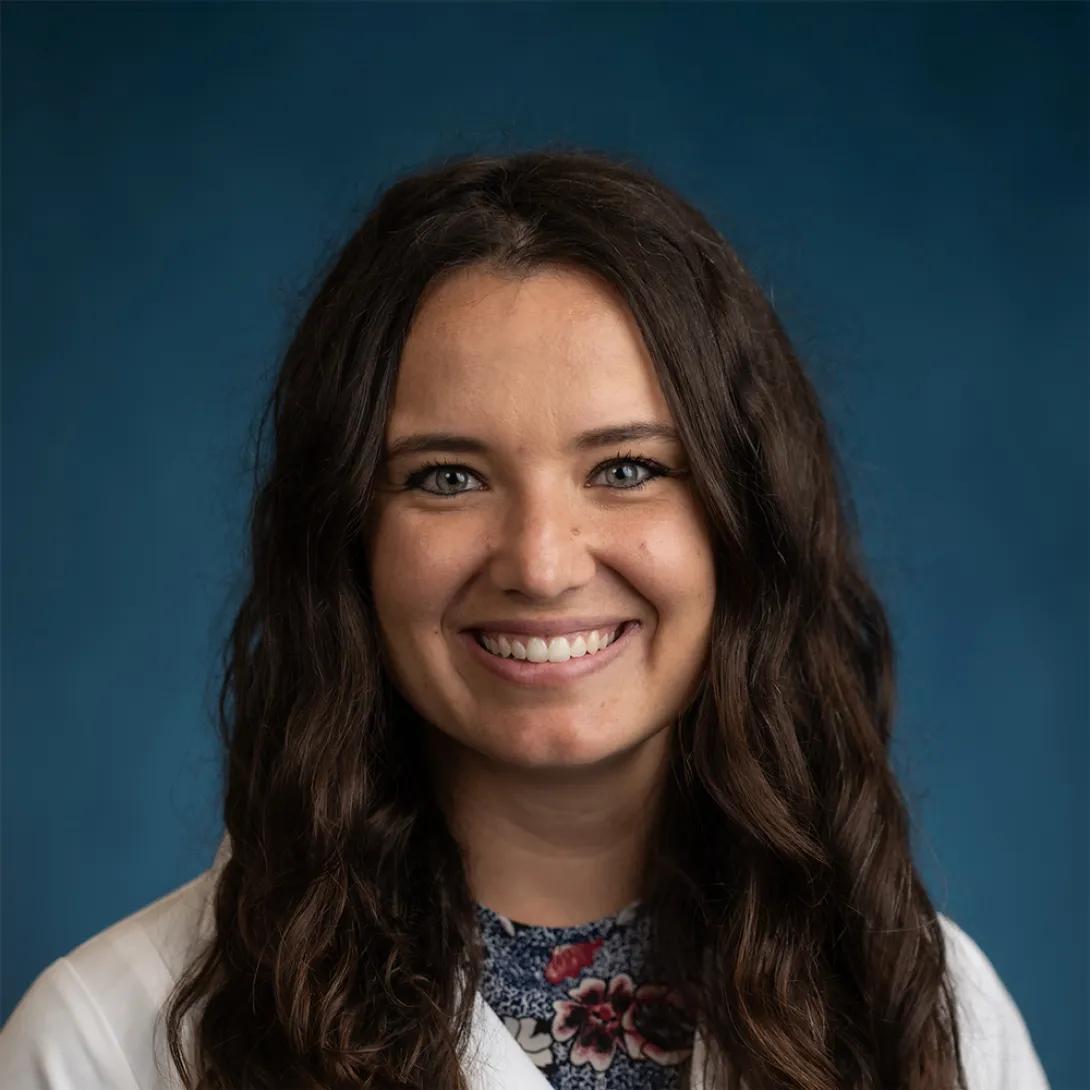
Kayla Sheehan
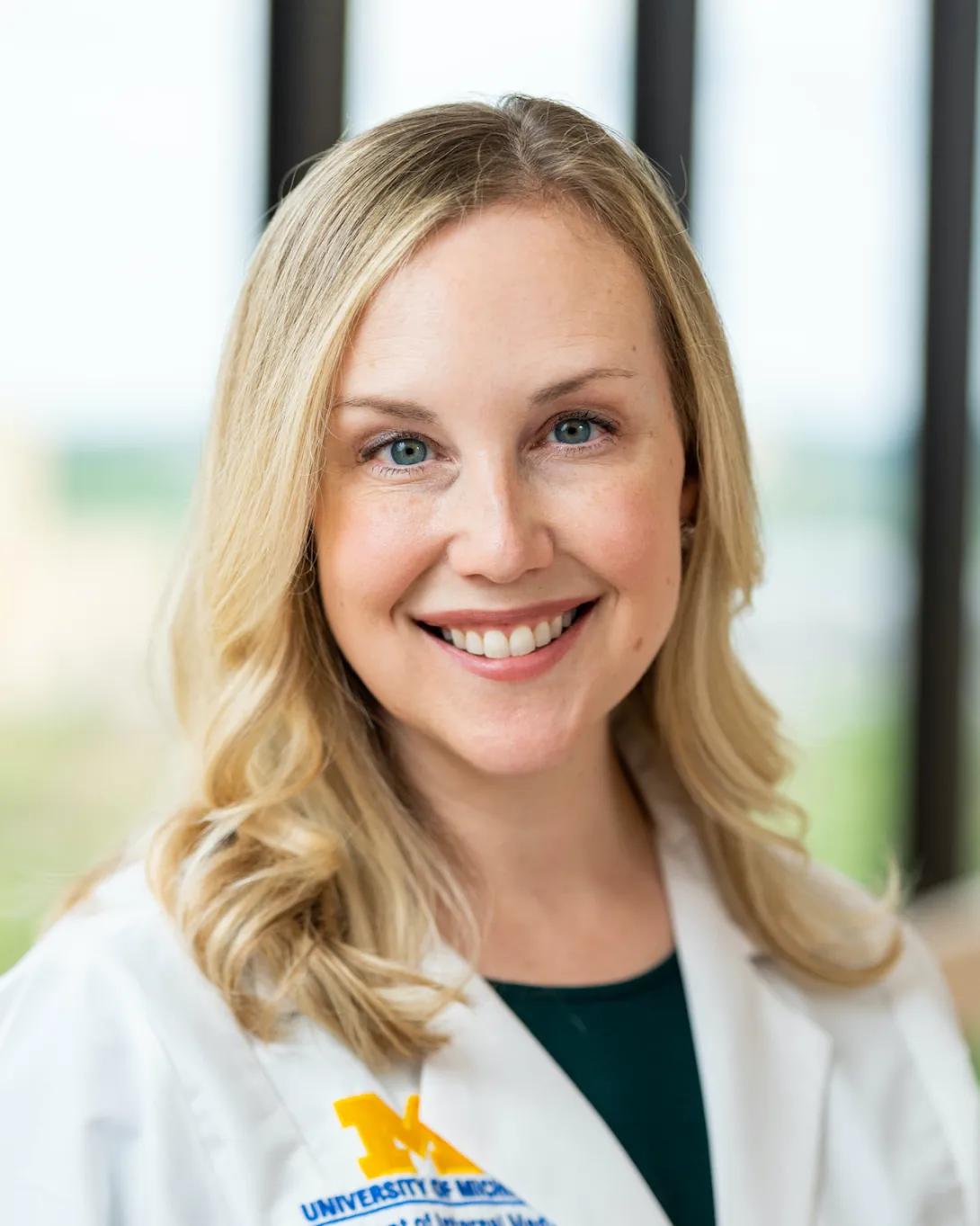
Laura C Taylor, MD MSc FAAHPM
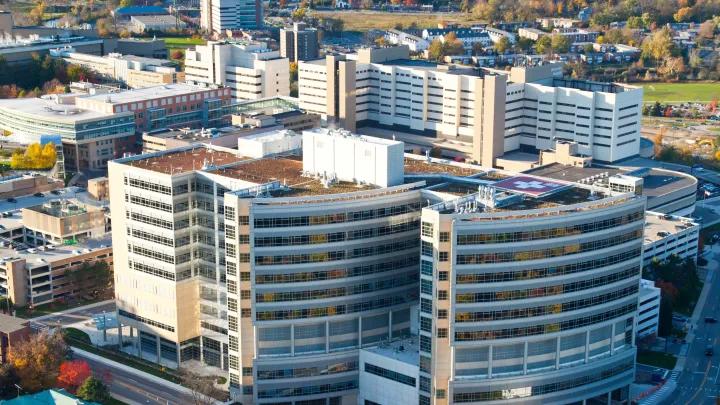
See Where Training Takes Place
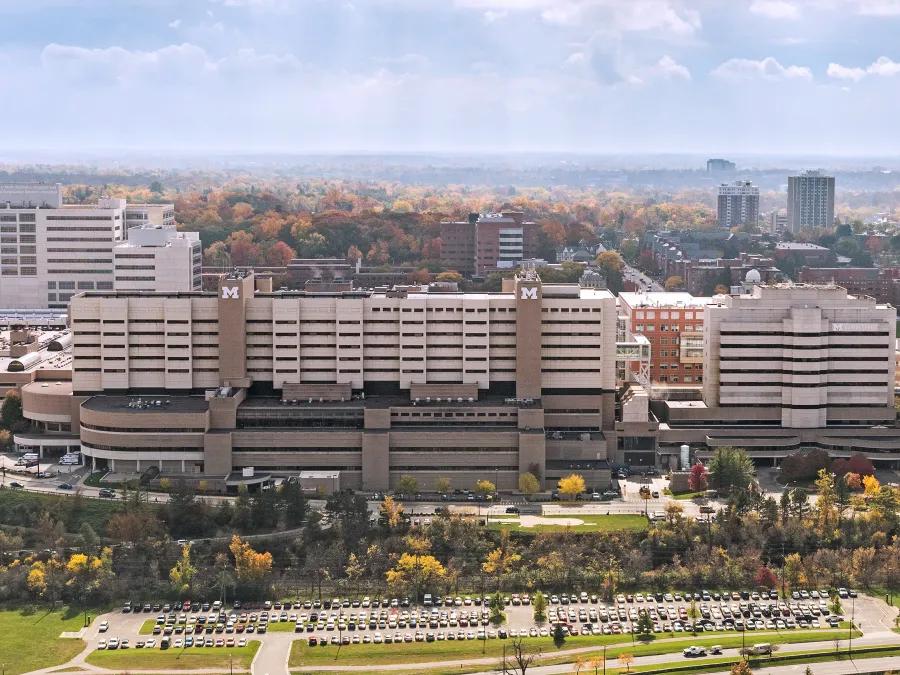
Expand your career trajectory in a high-volume academic medical center that also supports and excels in a wide range of basic science, translational and clinical research programs.

Life in Ann Arbor
We find a new reason to love Ann Arbor nearly every day — year-round outdoor activities, cultural experiences, a growing food scene, and a welcoming, family-friendly atmosphere are just a few that come to mind. Explore all that Ann Arbor and our surrounding communities have to offer.
