
Consultation-Liaison Psychiatry Fellowship
The U-M Medical School Department of Psychiatry's Consultation-Liaison Psychiatry Fellowship is a one-year, ACGME-accredited fellowship with a flexible schedule that is tailored to match the fellow’s areas of interest. One to two fellows per year are accepted.
Training occurs in a 67/33 split between U-M Health and the Ann Arbor VA Healthcare System, both on inpatient and outpatient settings, with supervision from consultation-liaison boarded faculty at both sites. Board certified general psychiatrists in good standing who complete this program are qualified to sit for the subspecialty examination in consultation-liaison psychiatry offered by the American Board of Psychiatry and Neurology.
For More Information
Program Overview
The goal of our fellowship is to provide high-quality training in general consultation liaison psychiatry, as well as in sub-specialized fields, such as: Transplant psychiatry, Collaborative care, Reproductive psychiatry, Child and adolescent consult psychiatry, Psycho-oncology.
Our program provides a broad-based clinical experience and opportunities to achieve skills in education, administration and research, in an extraordinarily rich academic environment, with no night or weekend call.
Learn more by jumping to the links below:
Message from the Fellowship Director
Welcome to the Consultation-Liaison Psychiatry Fellowship Program.
Our program is a welcoming place for fellows to gain knowledge and achieve clinical excellence in the care of complex patients with comorbid medical and psychiatric illness. We value our partnership with the Ann Arbor VA Healthcare System and appreciate that the fellow’s experience there provides unique opportunities to learn and to serve the veteran population.
As an alumnus of both the U-M Medical School and the Residency and Fellowship Programs, I am deeply committed to Michigan Medicine’s core vision of advancing health for Michigan and the world. I have dedicated my career to providing the highest standards of clinical care in challenging situations and helping each fellow navigate their career path, find what brings them joy in their work, and develop confidence to lead. Thank you for taking the time to learn about our program and Go Blue!
How to Apply
The Consultation-Liaison Psychiatry Fellowship Program utilizes the Electronic Residency Application Service (ERAS) and the National Residency Matching Program (NRMP). For applicants for whom ERAS application fees would pose a significant financial hardship, please reach out to our program via email and we can provide a paper application and instructions on other materials needed.
The ERAS website provides a timeline for the application season. Applicants may submit to ERAS starting in early July and applications will be released to programs in mid-July.
We will stop considering applications submitted after midnight on October 1st, 2026.
Applicants must meet the following criteria.
- Accepted Medical Schools:
- For U.S. medical school graduates, the applicant must be a graduate of a medical school that has been accredited by the Liaison Committee on Medical Education (LCME).
- For U.S. osteopathic medical school graduates, the applicant must be a graduate of a medical school that has been accredited by the American Osteopathic Association (AOA).
- For Canadian medical school graduates, the applicant must be a graduate of a medical school that has been accredited by the Committee on Accreditation of Canadian Medical Schools (CACMS).
- For non-U.S. and Canadian medical school graduates after July 1st 2025, the applicant must hold a current, valid ECFMG certificate and be eligible for a State of Michigan professional license.
- Successfully completed an ACGME-accredited general residency psychiatry program or a general psychiatry program in Canada accredited by the Royal College of Physicians and Surgeons of Canada. We are not currently accepting ACGME-I applicants or applicants under ACGME exception criteria.
- Non-US citizens are required to have one of the following:
- J-1 visa sponsored by the ECFMG and eligible to renew the J-1 for the length of the training program; or
- Valid Permanent Resident (green card) status; or
- In the process of pursuing a green card application and hold a valid EAD on the basis of that application that the U-M International Center has reviewed and determined the probability that the EAD will remain valid or can be extended for the duration of the training program; or
- An EAD card associated with the granting of Deferred Action for Childhood Arrivals (DACA)
- Passed all parts of the appropriate examinations: USMLE Steps 1-3 (allopathic medical school), COMLEX Steps 1-3 (osteopathic medical school). International medical school graduates must complete the USMLE.
- Veterans Affairs Eligibility: Applicants must be eligible to be credentialed to work at the VAMC, which includes meeting federal employment provisions that are subject to change from time to time. For males who are U.S. citizens or who lived in the U.S. between the ages of 18 and 26, registering with the Selecting Service System is a requirement.
- 3 Letters of Reference (including one from current program director if in training)
- Personal Statement describing the applicant’s interest and career goals in Consultation-Liaison Psychiatry
The program offers interviews to qualified applicants on a rolling basis. While we make attempts to interview all who apply, this depends on the number of applications each year. Applicants are encouraged to apply early in the season to improve the likelihood of an interview being offered.
Interview format will follow the guidance from the Academy of Consultation Liaison Psychiatry. Historically since 2020, we have offered virtual interviews. Interviews are scheduled with the program director, the current fellow, and several faculty members. Expect around a half-day time commitment.
We interview 1-2 applicants per week, usually during the months of August through early November. Standardized scoring of interviews occurs in the attempt to reduce bias. Selection (“ranking”) of candidates is determined by the fellowship program evaluation committee. The committee is composed of faculty and the current fellow.
Contact
Why Choose Michigan
Discover the unique features of the Consultation-Liaison Psychiatry Fellowship at U-M Medical School.
Tour the Consultation-Liaison Psychiatry Fellowship workspaces.
Hear From Our Fellows
Get to know our fellows and their training experiences in our program.
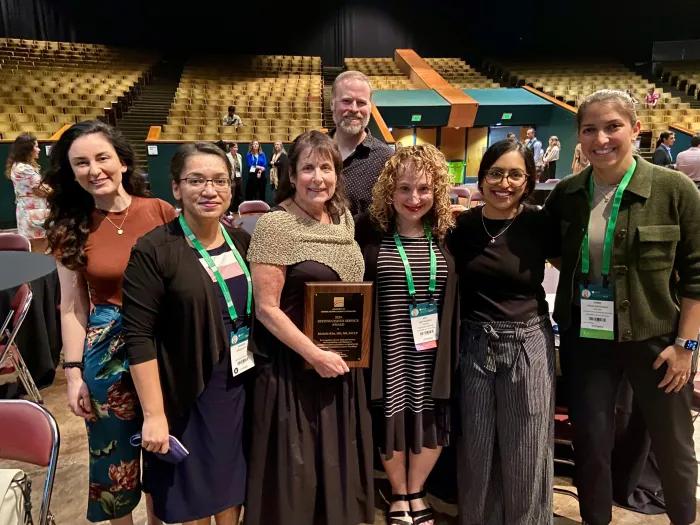
[The photo shows former graduates of the C/L Psychiatry Fellowship, with the first program director Dr. Riba, at ACLP Annual Meeting 2024: Tiffany Prout, MD; Kamalika Roy, MD; Michelle Riba, MD; Scott Winder, MD; Amy Rosinski, MD; Shivali Patel, MD; Shami Entenman, MD.]
Rotations
The CL Psychiatry rotation schedule is developed in conjunction with the fellow and tailored to their clinical/career interests. While there are no absolute requirements, at least several months of general inpatient C/L psychiatry, as well as experiences in transplant, collaborative care, HIV, and reproductive psychiatry are highly recommended. Rotations are generally one month long, although clinics can be longitudinal over several months.
Site: U-M Health
Run primarily by addiction medicine providers, this inpatient consultation service sees hospitalized patients with a variety of substance use disorders with the main focus on management of opioid use disorders in complex, medically-ill patients. Some C/L Psychiatry faculty attend on this service, and the fellow gets exposure to MOUD and the comorbid management of pain in substance use disorders.
Site: U-M Health
The Adult Inpatient Consultation-Liaison Psychiatry Service performs psychiatric consultations for 4 hospitals on the main medical campus. University Hospital (UH) is the 550-bed main hospital encompassing medical, surgical and psychiatric inpatient units, as well as multiple intensive care units including trauma-burn, medical critical care and surgical critical care. The Frankel Cardiovascular Center is a 48-bed facility with intensive care and moderate care units for cardiothoracic/vascular surgery patients. VonVoigtlander Women’s Hospital/C.S. Mott Children’s Hospital is home to a 50-bed obstetrical floor as well as oncology/bone marrow transplant units. Finally, the D. Dan and Betty Kahn Pavilion opened in late 2025 and houses neurology and neurocritical care units, cardiology and cardiac critical care units, and other surgical sub-specialties. General and transplant psychiatry consults are seen in this hospital.
These hospitals care for some of the most severely ill patients in the state, including oncologic and transplant patients. Consults are requested for a variety of reasons including delirium, agitation, capacity, primary mental illness, depression, anxiety, acute stress disorder and safety assessments to name a few. There is a separate Psychiatric Emergency Services that performs evaluations for patients in the Emergency Department and is staffed separately from the Adult Consultation-Liaison Psychiatry Service.
The inpatient CL Service consists of two teams, each led by one faculty attending, with one social worker per team. There are typically 2-4 PGY2 psychiatry residents, 1 PGY4 psychiatry resident, 2-3 medical students, 1-2 advanced practice professionals, and sometimes a neurology resident. There are 2 part-time health psychologists and 2 clinical nurse specialists who support nurses on the non-psychiatric floors. The fellow may take cases on their own early in the year but later progresses to supervising resident and medical student cases and running one of the consult teams.
Site: Ann Arbor Veteran’s Hospital (AAVA)
The Ann Arbor Veteran’s Hospital has 105 acute care beds and an additional 40 bed community living center. Fellows provide consults to patients admitted to the hospital and living center and take an active role in leading the consult team as well as doing extensive teaching with U-M Medical School students and a PGY-1 psychiatry resident. The AAVA has general care beds as well as intensive care units.
Site: U-M Health
This innovative clinic was one of the first in the country to co-locate psychiatry in a hepatology clinic with the goal to treat patients with liver disease from alcohol use disorder and comorbid mental health conditions and the hope of intervening to prevent the need for liver transplant.
Site: U-M Health
This service performs consults on patients under the age of 25 in C.S. Mott Children’s Hospital. Team members include child-adolescent psychiatry trained faculty, child psychiatry fellows and a variety of other multidisciplinary team members. This service gives the fellow more intensive exposure to inpatients with developmental disorders, eating disorders, somatic symptom disorders, among other diagnoses.
Sites: U-M Health, Ann Arbor VA, and Packard Health
Fellows work with a psychiatry attending and collaborative care case managers in managing a panel of primary care patients, tracking metrics and providing behavioral health guidance and education to primary care providers. Packard Health is a Federally Qualified Health Center that provides primary care, substance use treatment and behavioral health care to a vast network of Washtenaw County residents.
Site: U-M Health
Fellows can rotate in this outpatient-based program with psychiatrists, psychologists and social workers in treating teens and young adults with disordered eating. For fellows with more interest in this area, they can also work with the Adolescent Medicine consult team at C.S. Mott Children’s Hospital.
Site: U-M Health and Ann Arbor VA
Fellows can rotate on these services either at U-M Health or the Ann Arbor VA. At U-M Health, fellows attend at least 2 mornings per week of ECT cases and do some inpatient and outpatient consultations. They can qualify for an ECT certification letter if completing certain requirements. Emphasis on ECT in the medically ill, including those admitted to medical services with diagnoses like NMS and catatonia, is given.
Site: U-M Health
This is a multidisciplinary clinic started by a partnership between neurology and psychiatry with patients seen by neurology, psychiatry, psychology and social work during one clinic visit and a final meeting with the entire team and patient at the end of the assessment. Fellows gain experience in talking to patients about functional seizures and learning techniques from the manualized therapy done in the clinic. Expansion to other functional neurologic disorders is in development.
Site: U-M Health
Co-located in the Infectious Disease HIV clinic, the fellow works with a psychiatry faculty member in managing common psychiatric comorbidities and ensuring safe use of psychotropic medications along with the patient’s antiretroviral regimen.
Site: U-M Health and Ann Arbor VA
While rotating on other services, or as a separate month, fellows can rotate in specialty neurology clinics such as cognitive disorders, movement disorders, and epilepsy. Fellows gain experience in assessing and treating psychiatric comorbidities in these neurologic conditions and learning how primary psychiatric conditions/medications exacerbate neurologic symptoms. Fellows will train at U-M Medical School or AAVA.
Site: Ann Arbor VA
C/L Psychiatry Fellows work with palliative medicine attendings and fellows on primarily a hospital-based consultation service at AAVA. Psychiatry fellows gain skill in symptom management of pain, fatigue and other conditions in patients with severe medical illness, particularly oncologic patients, and also get more training in goals-of-care discussions.
The fellow will have the opportunity to work with the program director in seeing patients with cancer and comorbid mental health concerns.
Site: U-M Health
The general inpatient psychiatry consult service sees pregnant and post-partum patients admitted to the obstetrical floor. The fellow may also participate in other outpatient experiences involving reproductive psychiatry. These include:
- The Perinatal and Reproductive Psychiatry Clinic through the Department of Psychiatry, staffed by dedicated reproductive psychiatry faculty
- The Partnering for the Future Clinic, a clinic co-located in the obstetrical clinics, with a focus on substance use disorders in pregnancy and higher risk psychiatric populations
- Collaborative Care opportunities in Reproductive Psychiatry, including the MC3 program.
Site: U-M Health
A separate inpatient consultation-liaison transplant service is run by CLP board-certified faculty. The fellow can rotate on the inpatient consultation service and combine with outpatient transplant clinics during the week. Pre-transplant evaluations are done in both settings, in collaboration with social work and psychology.
Post-transplant patients can be followed closely on the consultation service to manage delirium and other post-transplant neuropsychiatric issues. Post-transplant patients are also followed in clinic. Fellows participate as well in multidisciplinary transplant meetings.
Salary & Benefits
We offer highly competitive salaries and generous benefits to our fellows and advanced trainees. Trainee salary will be commensurate with that of a House Officer at an equivalent level of training based on the HOA contract.
Didactics & Scholarly Activity
Fellows participate in a variety of activities meant to improve medical knowledge in consultation liaison psychiatry. These include:
- Weekly lecture series covering core CL topics such as advanced delirium, pain, psychopharmacology, transplant psychiatry, reproductive psychiatry, HIV/AIDS, cardiac, palliative care, seizure disorders and psychogenic nonepileptic seizures, movement disorders, among many others. Lecturers include CL faculty, neurologists, psychologists and more.
- Psychiatry Grand Rounds at the AAVAMC and U-M Medical School, which highlights the work of scholars across the psychiatric spectrum
- Quarterly Consultation-Liaison Psychiatry Case Conferences in conjunction with child and adolescent consultation psychiatry
- Weekly C/L textbook chapter reviews: medical students, residents, fellows and faculty read an entire C/L text through the course of the year and write multiple choice questions that are answered together in a weekly group meeting
- Fellowship director and fellow do a series of clinical vignettes developed by the ACLP, helping to cement knowledge and bolster clinical management skills.
- Fellows share in giving the Consultation-Liaison Psychiatry lecture to medical students rotating on their psychiatry clerkship.
- Fellows are expected to engage in a “scholarly project” during the year which may include a quality improvement project, a clinical topic review, clinical research, among others. This is presented at Grand Rounds at either Michigan Medicine or the Ann Arbor VA.
Fellows also have the opportunity to participate in a 4-session quality improvement course with fellows from other clinical departments across the institution. It is interactive and teaches the principles of quality improvement through simulated projects. Fellows interested in doing further projects specific to psychiatry have the opportunity for further mentorship from QI Department Faculty and Staff. Fellows also participate in Patient Safety Committees, particularly at the AAVA.
Recent Graduates
2025: Dr. Andrew White
First position after training: Staff psychiatrist at Washtenaw Community Health in Ann Arbor, MI, and Adjunct Clinical Assistant Professor at Michigan Medicine, working in the Functional Seizure Disorder Clinic
2024: Dr. Shivali Patel
First position after training: Assistant Professor at Henry Ford Health in Detroit, MI, working on the inpatient CL team and seeing transplant psychiatry patients.
2023: Dr. Amy Humrichouser
First position after training: Staff psychiatrist at Northern Lakes Community Mental Health, serving patients remotely from Ann Arbor, MI to Cadillac, MI
2022: Dr. Sindhura Vangala
First position after training: Assistant Professor at Baylor College of Medicine in Houston, TX, working in reproductive psychiatry.
2021: Dr. Shami Entenman
First position after training: Clinical Assistant Professor at Michigan Medicine, working on the inpatient CL team, ECT service, and Psychiatric Emergency Services.
Program Leadership
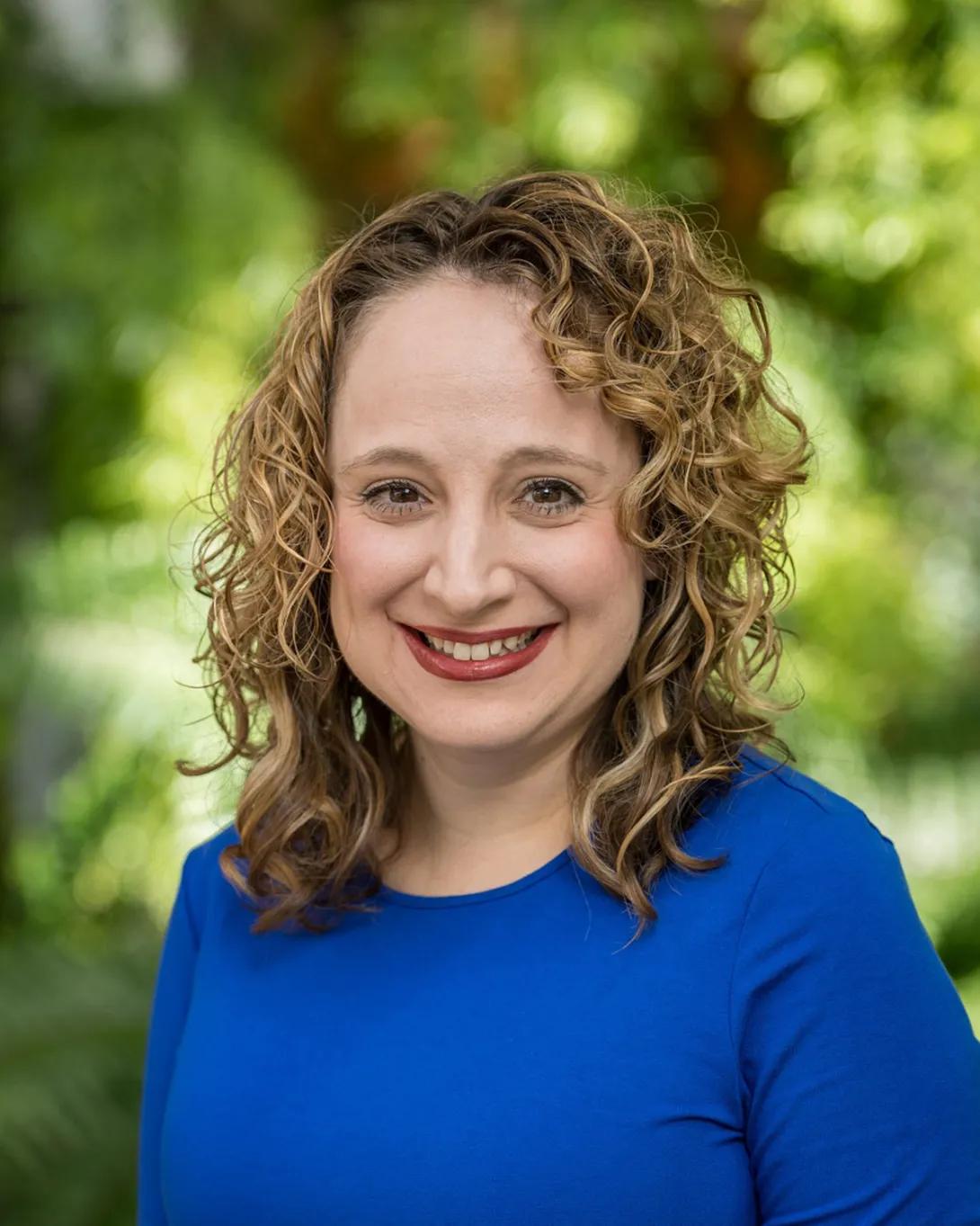
Amy Beth Rosinski, MD
Consultation-Liaison Fellowship
Psychiatry
Medical School
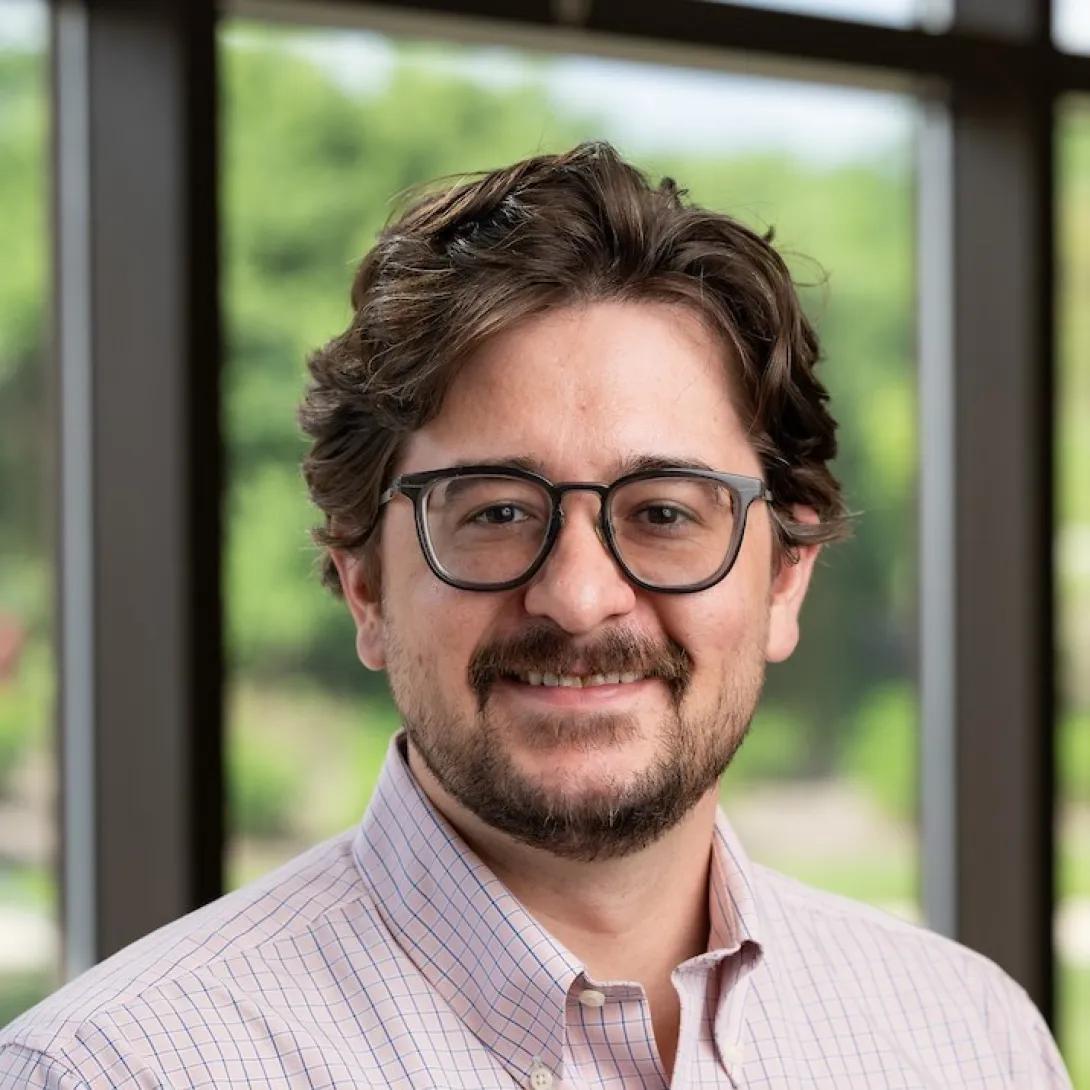
Taylor Hyde, BS

Life in Ann Arbor
We find a new reason to love Ann Arbor nearly every day — year-round outdoor activities, cultural experiences, a growing food scene, and a welcoming, family-friendly atmosphere are just a few that come to mind. Explore all that Ann Arbor and our surrounding communities have to offer.

Wellness
The health and well-being of our team is a priority for our department's culture. Through onsite wellness programs and services, we offer diverse resources designed to support both you and your family.
