
NIAAA T-32 Postdoctoral Research Training Fellowship
Since 1990, the National Institute on Alcohol Abuse and Alcoholism (NIAAA) T-32 Postdoctoral Research Training Fellowship has allowed a steady stream of creative and productive junior researchers to receive specialized training with the Addiction Center.
This fellowship at the U-M Medical School Department of Psychiatry offers candidates the opportunity to develop an integrated research program and enhance skills necessary for a successful academic research career.
For More Information
Research Topic Areas
Research topic areas for the NIAAA T-32 Postdoctoral Research Training Fellowship include:
Etiology, Neuroimaging, and Cognition
Epidemiology and Predictive Modeling
Digital Prevention and Early Intervention
Health Services Research and Comorbidity
Treatment Access, Delivery and Implementation
Methodology and Adaptive Interventions
Program Overview
This program primarily provides two types of postdoctoral training:
- Post-residency physicians (primarily psychiatrists, but open to all specialty-trained physicians)
- Doctoral-level fellows (primarily Ph.D.) from a broad range of specialties in the behavioral and biomedical sciences
In addition to the primary emphasis on research development, fellows participate in content-relevant coursework and workshops to develop their methodological expertise. Fellows will give presentations on their work, attend regular meetings, seminars, interdisciplinary lectures, and Department of Psychiatry Grand Rounds.
How to Apply
All applications will be considered for appointments starting on July 1 or thereafter for the next academic year. Midyear and other off-cycle vacancies are sometimes available. Fellows must be U.S. citizens or permanent residents with a PhD or MD degree.
Application requirements:
- Your CV
- 3 letters of reference
- A detailed cover letter describing research interests, potential project foci for the fellowship period, and longer-term career goals
Mentorship
Our program admits trainees whose research interests are aligned with the work of our mentoring faculty or collaborating colleagues. This ensures that candidates are ready to engage immediately and build successful collaborations.
The structure of mentorship includes one or more primary mentor(s) and a co-mentoring secondary mentor for each fellow. Mentoring faculty have a wide array of expertise in areas related to the behavioral pharmacology, statistics, developmental epidemiology, personality, and psychology of alcohol use and addiction. The program includes 24 mentoring faculty, many of whom are leaders in the field who have extensive research portfolios. This includes:
- 14 addiction research faculty mentors who are working on more than 34 projects
- 10 affiliated faculty mentors from other units across the UM working on more than 21 projects
Mentoring faculty hold roles with a number of U-M Departments including Psychiatry, Psychology, Pharmacology, Neurology, Emergency Medicine, U-M Institute for Social Research, and VA Ann Arbor Healthcare System.
Associate Directors:
Frederic Blow, PhD
Erin Bonar, PhD
Mary Heitzeg, PhD
Clinical Program Leads:
Mark Ilgen, PhD
Jamie Winters, MD
Todd Arnedt
Lora Cope
Lara Coughlin
Jillian Hardee
Brian Hicks
Lewei Allison Lin
Meghan Martz
Jonathan Morrow
Chandra Sripada
Golfo Tzilos Wernette
Alex Weigard
Adriene M. Beltz, PhD
Patrick Carter
Rebecca Evans Polce
Luke Hyde
Sean McCabe
Inbal (Billie) Nahum-Shani
Meghan Patrick
Training Future Leaders
Current Fellows
Meet our current trainees in NIAAA T-32 Postdoctoral Research Training Fellowship. We emphasize teamwork, excellence, and leadership while preparing our fellows with resources to be successful in their careers.
Program Director
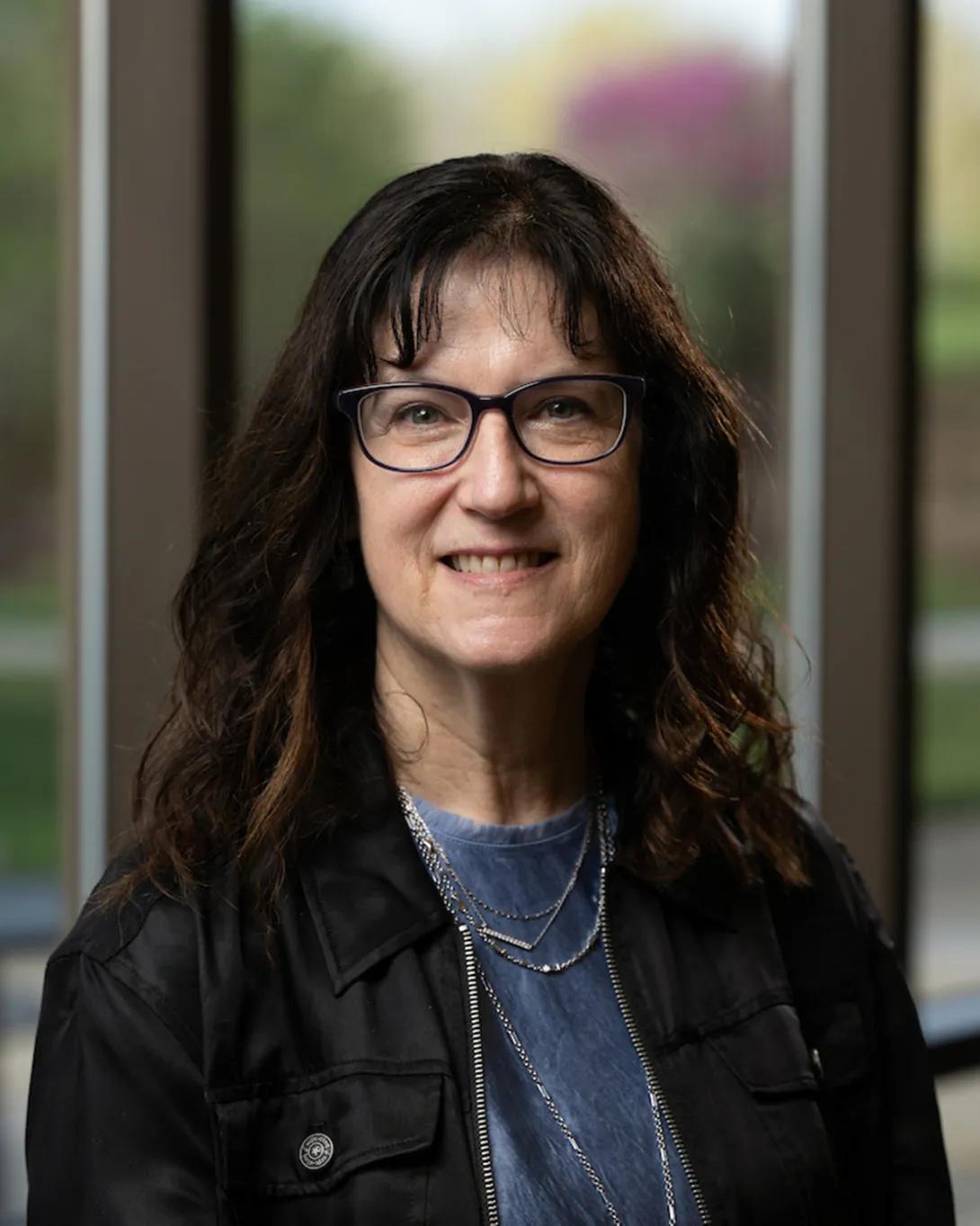
Maureen Ann Walton, MPH, PhD
Research Professor of Behavioral Health Technology Innovations
Professor of Psychiatry
Co-Associate Chair
Department of Psychiatry Research and Research Faculty Development
Medical School

Life in Ann Arbor
We find a new reason to love Ann Arbor nearly every day — year-round outdoor activities, cultural experiences, a growing food scene, and a welcoming, family-friendly atmosphere are just a few that come to mind. Explore all that Ann Arbor and our surrounding communities have to offer.

Wellness
The health and well-being of our team is a priority for our department's culture. Through onsite wellness programs and services, we offer diverse resources designed to support both you and your family.
