
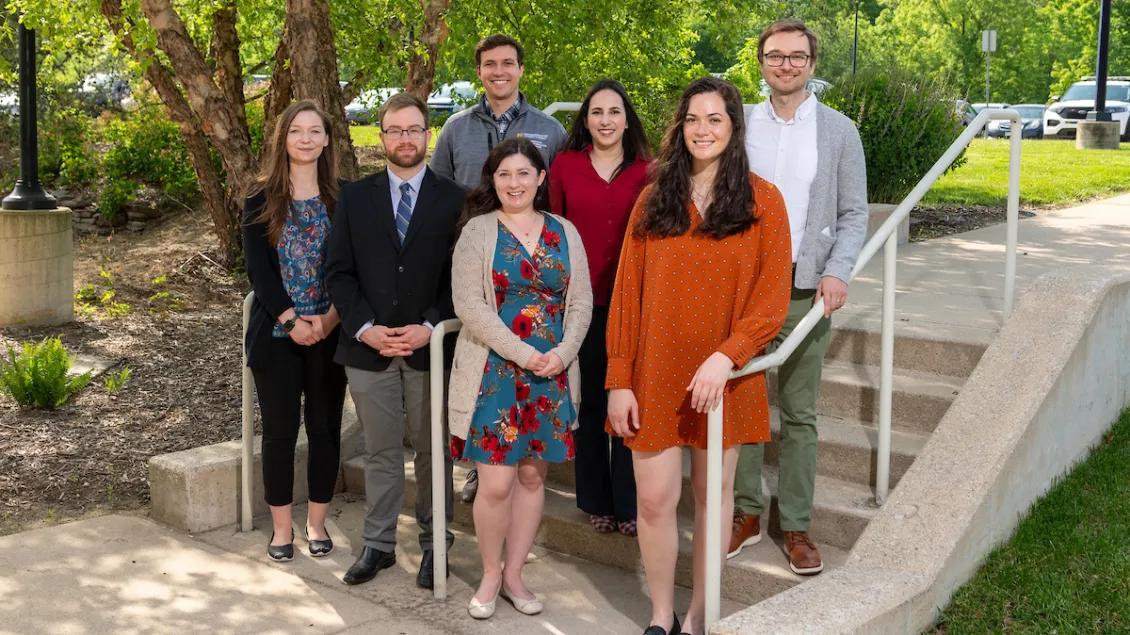
Clinical Adult Psychology Training Program
The Michigan Medicine Department of Psychiatry and VAAAHS offer an accredited consortium training program in advanced specialty training in clinical adult psychology, which focuses on the acquisition and application of evidence-based clinical practice and research. Fellows develop the skills necessary to assess, diagnose, and treat individuals facing a broad range of psychiatric challenges across the lifespan. Clinical experiences are interprofessional, and each fellow benefits from specialized research mentorship.
Applicants apply to a preferred site - through the APPA CAS system (Michigan Medicine Program ID 579323; VAAAHS Program ID TBD). Note that, as a result of policy changes affecting VA Consortium programs, Michigan Medicine and the VAAAHS are in the process of seeking full accreditation for independent Clinical Adult Psychology programs.
For the 2027-2028 training year, Michigan Medicine will be recruiting up to 2 postdoctoral fellows and the VAAAHS will be recruiting 3 postdoctoral fellows (2 Adult, 1 Adult Women’s).
Michigan Medicine Clinical Adult Psychology Fellowship Brochure
For More Information
How to Apply
Learn more about our application process and requirements, and submit an application for our APPIC Psychology Postdoctoral.
Program Goals & Career Preparation
Our training prepares fellows to:
- Lead and direct clinical programs
- Educate and supervise the next generation of psychologists
- Design and conduct programmatic research
Key Clinical Research Areas
- Mood disorders
- Women’s mental health
- Sleep and circadian science
- Health psychology
- Anxiety disorders (including PTSD)
- Substance use disorders
- Psychotic disorders
- Bipolar disorder
- Primary care mental health integration
- Mental health recovery
Our Postdoctoral fellows share their experience as part of the Psychology Postdoctoral Training program.
Clinical Rotations & Teaching Opportunities
Anxiety Disorders Clinic: Specializing in evidence-based treatment of anxiety, OCD, and related conditions, fellows gain experience offering cognitive-behavioral therapies (CBT), Exposure and Response Prevention (ERP), cognitive processing therapy for PTSD, and group therapy.
Depression Clinic: Multidisciplinary care for depressive and comorbid conditions, with training in CBT, Interpersonal Psychotherapy (IPT), Dialectical Behavior Therapy (DBT), Acceptance and Commitment Therapy (ACT), and comprehensive diagnostic assessment.
Bipolar Disorder Clinic: Evidence-based assessment and treatment—CBT, Interpersonal and Social Rhythms Therapy, DBT skills, and LifeGoals psychoeducation—through an interdisciplinary clinic closely affiliated with leading research initiatives.
Behavioral Sleep Medicine Clinic: Evidence-based evaluation and treatment for sleep disorders, including CBT for insomnia, circadian rhythm disorders, and exposure to multidisciplinary care for complex cases.
Early Psychosis (PREP) Clinic: Coordinated Specialty Care for youth and young adults at increased risk for psychosis. Fellows gain skills in CBT for psychosis, family psychoeducation, group interventions, and outreach for early detection.
University of Michigan Addiction Treatment Services (UMATS): Comprehensive outpatient substance use treatment, including individual and group therapy, intensive outpatient programming, and dual diagnosis management.
Women and Infants Mental Health Clinic (WIMHC): Specialized care for women during pregnancy, postpartum, and hormonal changes, with exposure to perinatal mental health, dyadic therapy, and Interpersonal Psychotherapy mentorship.
Health Psychology (Integrated Care): Fellows deliver brief, evidence-based interventions for Veterans in diverse ambulatory settings. Training includes:
- Integrated primary care mental health
- Chronic pain management (CBT, collaboration with Pain Clinic)
- MOVE! weight management, diabetes and cardiac rehab, tobacco cessation (using MI and ACT)
- Exposure to Oncology, Sleep, and Women’s Health Clinics
- Mental health evaluations for transplants/bariatric surgery
- Consultation and health coaching skills in both outpatient and inpatient medical teams
Mental Health Clinic (MHC):
- Diagnostic assessment across diverse outpatient clients
- Individual and group therapy for mood, anxiety, and related conditions
- Evidence-based treatments (CBT, DBT, MI)
- Risk assessment, crisis intervention, and collaboration with a multidisciplinary team
- Caseloads and group development tailored to fellow interests
PTSD Clinical Team (PCT):
- Comprehensive PTSD assessment and treatment on a multidisciplinary team
- Prolonged Exposure (PE) and Cognitive Processing Therapy (CPT)
- Regular staff meetings, clinical case presentations, and didactics
Substance Use Disorders (SUD):
- Assessment and intervention for substance use disorders
- Evidence-based approaches (CBT, MI, Behavioral Couples Therapy, Mindfulness, Harm Reduction)
- Inpatient, intensive outpatient, and outpatient care with a diverse population
Women Veterans’ Mental Health:
- Specialized training in individual and group therapy for women Veterans
- Trauma-focused treatments, DBT, wellness and support groups
- Consultation in Women’s Health Clinic
- Administrative, research, and committee involvement
Couples & Family Intervention:
- Couples and family therapies (BCT, IBCT, family psychoeducation)
- Partner abuse intervention, parenting skills
- Supervision of interns, and involvement in research and administration
- Clinical supervision of psychology practicum students and interns
- Undergraduate student mentorship on research projects
- Leading seminars alongside faculty
- A dedicated supervision skills workshop
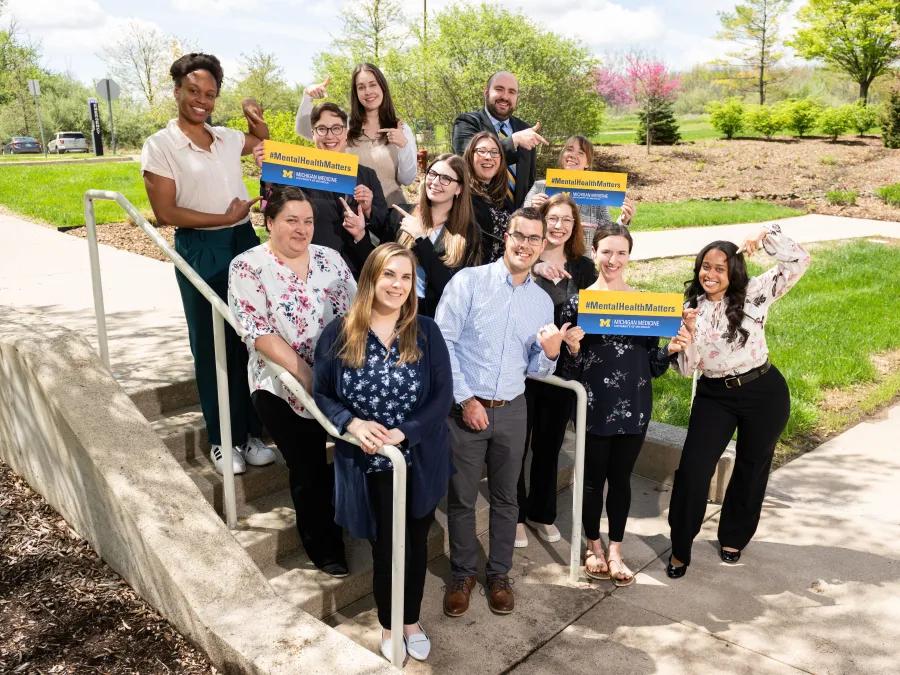
Current Fellows
Meet our current trainees in Psychiatry. Postdoctoral Fellows experience a rich training environment, featuring seminars, invited lectures, and opportunities to engage with faculty across disciplines.
Our Facilities
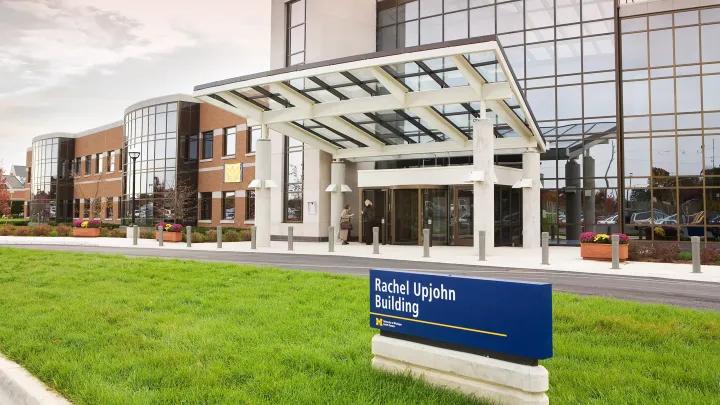
University of Michigan Health
A nationally ranked, 128-acre academic medical center featuring modern outpatient, inpatient, and specialty clinics—including the Rachel Upjohn Building, University Hospital, Rogel Cancer Center, and more. Fellows enjoy access to state-of-the-art support facilities, private workspaces, and the University’s digital resources.
VA Ann Arbor Healthcare System
A 105-bed teaching hospital adjacent to U-M Health. The VA Ann Arbor Healthcare System (VAAAHS) offers comprehensive inpatient, outpatient, substance use, and mental health services, including a Community Living Center for rehabilitation. Updated facilities support full access to U-M Health and VAAAHS systems, libraries, and clinical resources.

Our Community
Feel at home in Michigan. Explore what it’s like to live, learn and grow in Ann Arbor among a diverse and supportive network of leaders in psychiatry and mental health.
Accreditation
Learn more about our accreditation by the American Psychological Association Commission on Accreditation.
