
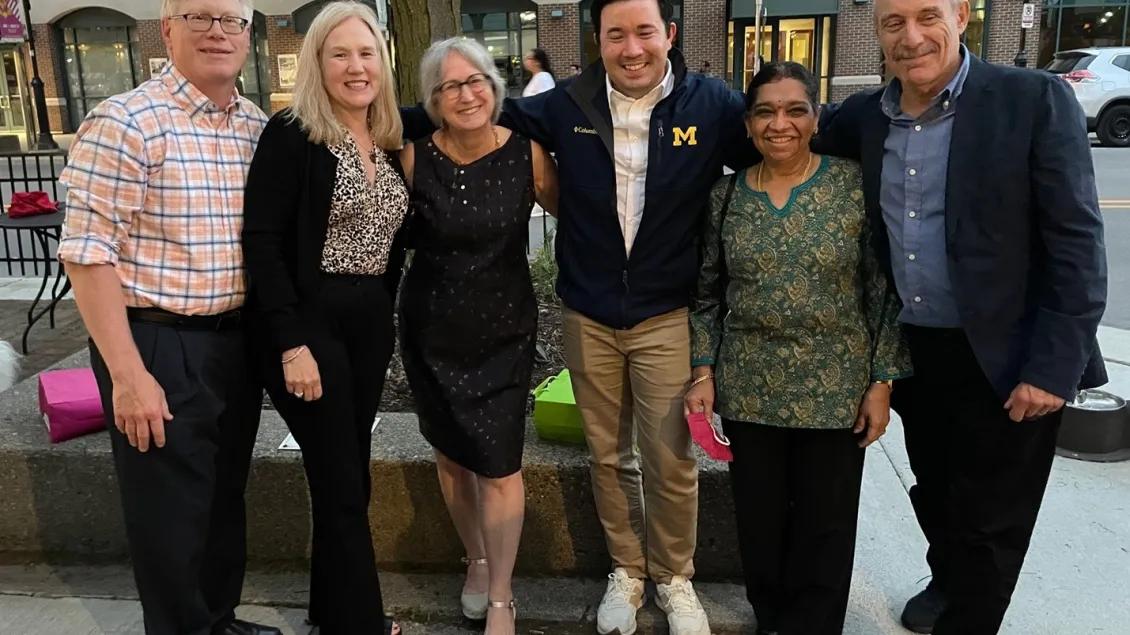
Geriatric Psychiatry Fellowship
The U-M Medical School Department of Psychiatry's Geriatric Psychiatry Fellowship is a one-year ACGME- accredited program that provides broad clinical experience in inpatient, outpatient, long-term care and community settings in an extraordinarily rich academic environment occurring at the U-M Health and the VA Ann Arbor Healthcare System.
Upon completion of the one-year clinical fellowship, the fellow is eligible to sit for the geriatric psychiatry boards. We also offer a two-year research track for exceptional candidates. The fellowship curriculum would alternate research months with clinical months.
For More Information
Program Overview
A two-year fellowship program option (PGY-5 & 6) is available to selected candidates and includes all clinical experience of the one-year program, plus a longitudinal research training component designed to prepare the fellow for an academic career.
Our faculty have expertise in health services and policy research, and the fellow can connect to extensive resources including the NIH-funded Michigan Alzheimer's Disease Research Center, the Institute for Healthcare Policy and Innovation, and the Eisenberg Family Depression Center.
The VA Ann Arbor Health Care System also has the Geriatric Research, Educational and Clinical Center (GRECC)
How to Apply
Applicants must meet the following criteria:
- Successfully completed an ACGME-accredited general residency psychiatry program or a general psychiatry program in Canada accredited by the Royal College of Physicians and Surgeons of Canada
- All non-US/Canadian medical school graduates must hold a current, valid ECFMG certificate and be eligible for a State of Michigan professional license
- Must have successfully passed USMLE Step III prior to entry into program
Graduates of foreign medical programs must be permanent residents or eligible for a J-1 visa sponsored by ECFMG.
Why Choose Our Program
In geriatric psychiatry, there is no separation between mind and body. There is only a continuum. The patient’s biological, psychological and social issues are all considered when designing tailored clinical interventions. Geriatric psychiatry is among the most “medically-connected” psychiatry specialties.
The geriatric psychiatrist never abandons their background in medicine. In addition to biological considerations, geriatric patients benefit by environmental interventions. Geriatric psychiatrists are trained to mobilize systems, including family and community resources, to maximize their patient’s functional status.
There is a shortage of geriatric psychiatrists. On a national level, the Institute of Medicine published a report, “The Mental Health and Substance Use Workforce for Older Adults: In Whose Hands?” This report calls for bold initiatives and reforms to recruit and retain geriatric specialists to prepare for the health needs of aging baby boomers. This report signifies a major advance by publicizing the need for geriatric specialists.
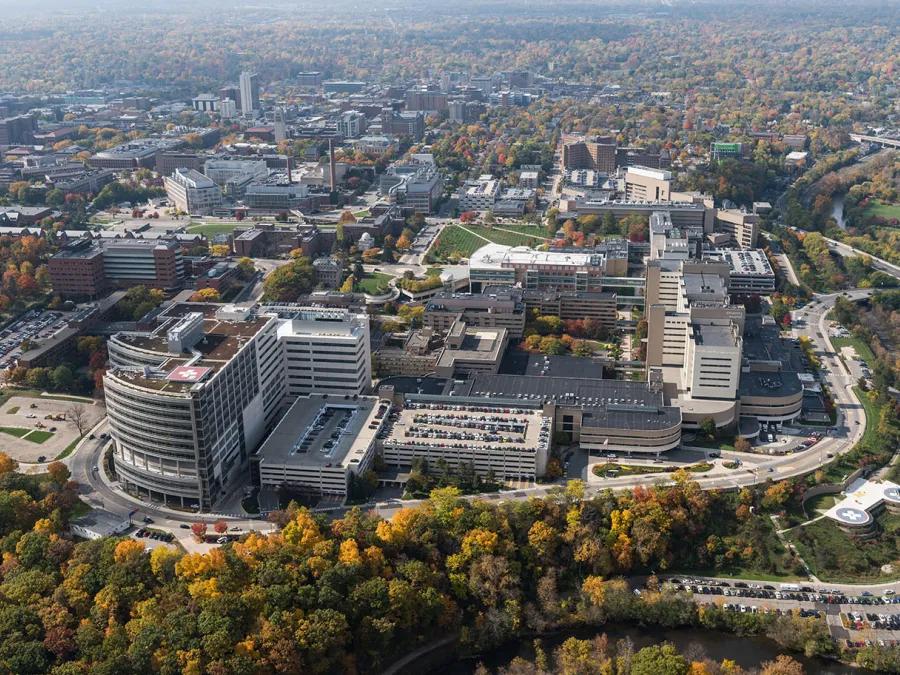
Current Fellows
Meet our current trainees in Geriatric Psychiatry. We emphasize teamwork, excellence, and leadership while preparing our fellows with resources to be successful in their careers.
Why Michigan?
Learn more about our fellows and their learning experience in the program.
I challenge trainees to identify “The HOOK” in all their patients. "The HOOK” summarizes the unique characteristics of a person and their story: the strengths, challenges, resiliency and vulnerability. This combats the reductionist tendency in medicine to identify a patient only by their age and diagnosis and it combats the stigma of aging by identifying a patient beyond the label of “retired."
Rotations
U-M Medical School
- Inpatient Psychiatry
- Inpatient Geriatric Medicine Consults
- Outpatient Geriatric Psychiatry Clinic (1/2 day per week for 12 months)
- Community-based long-term care
- PAVE
- Collaborative Care
VA
- Inpatient Hospitalist
- Outpatient Geriatric Psychiatry Clinic
- Inpatient Palliative Medicine Consults
U-M Medical School
- ECT
- Neurology Movement and Cognitive Disorders Clinics
- Others upon request
VA
- Home-based primary care
- Interventional psychiatry
- Outpatient neurology
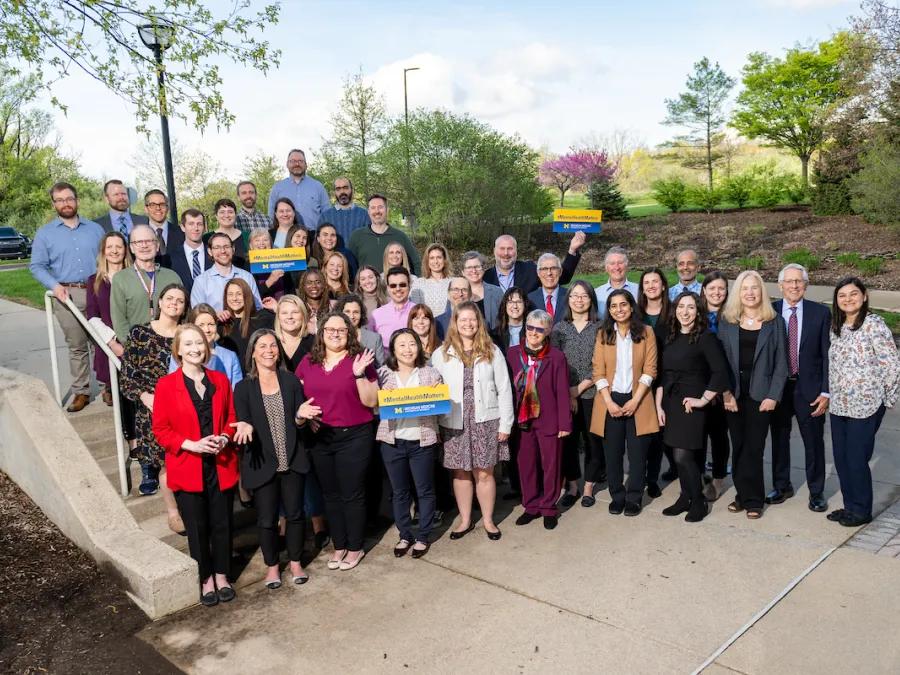
Salary & Benefits
We offer highly competitive salaries and generous benefits to our fellows and advanced trainees. Trainee salary will be commensurate with that of a House Officer at an equivalent level of training based on the HOA contract.
American Association for Geriatric Psychiatry Annual Meeting
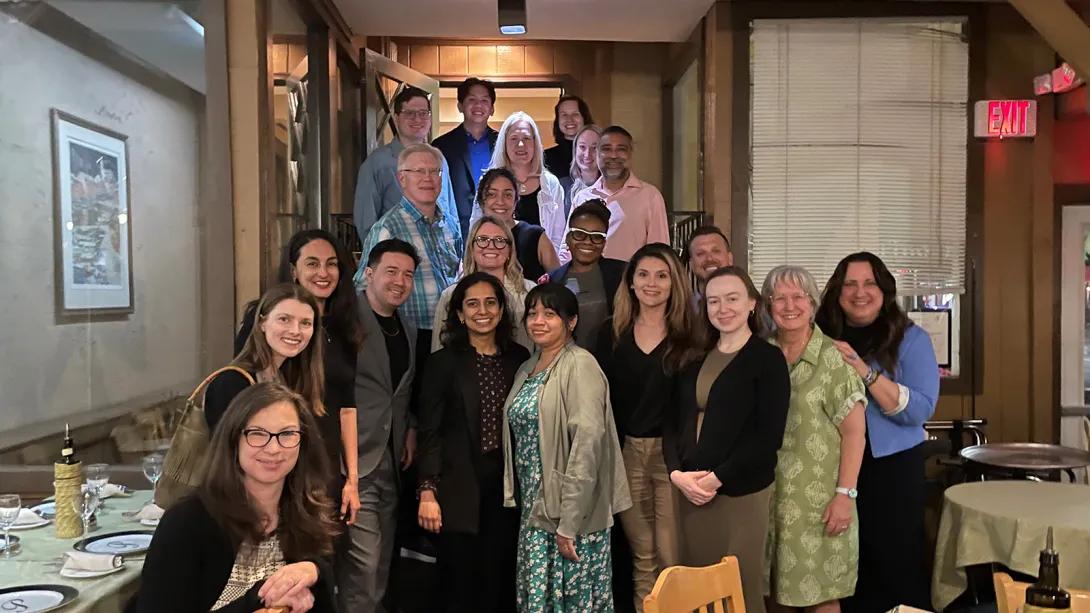
Geriatric psychiatry fellows and program director at dinner during the Geriatric Psychiatry Annual Meeting
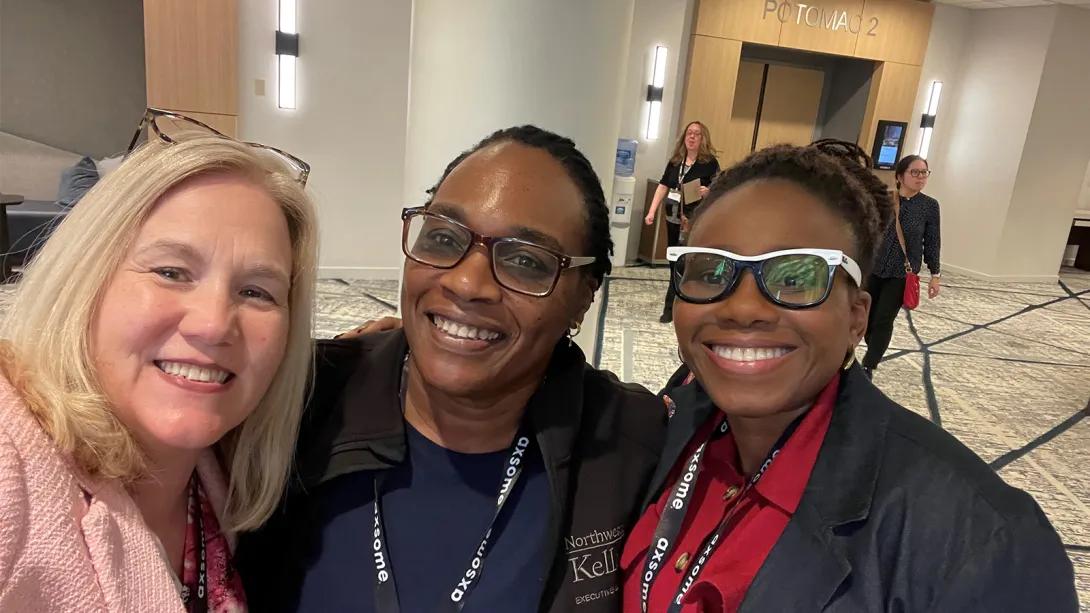
Geriatric Psychiatry Annual Meeting
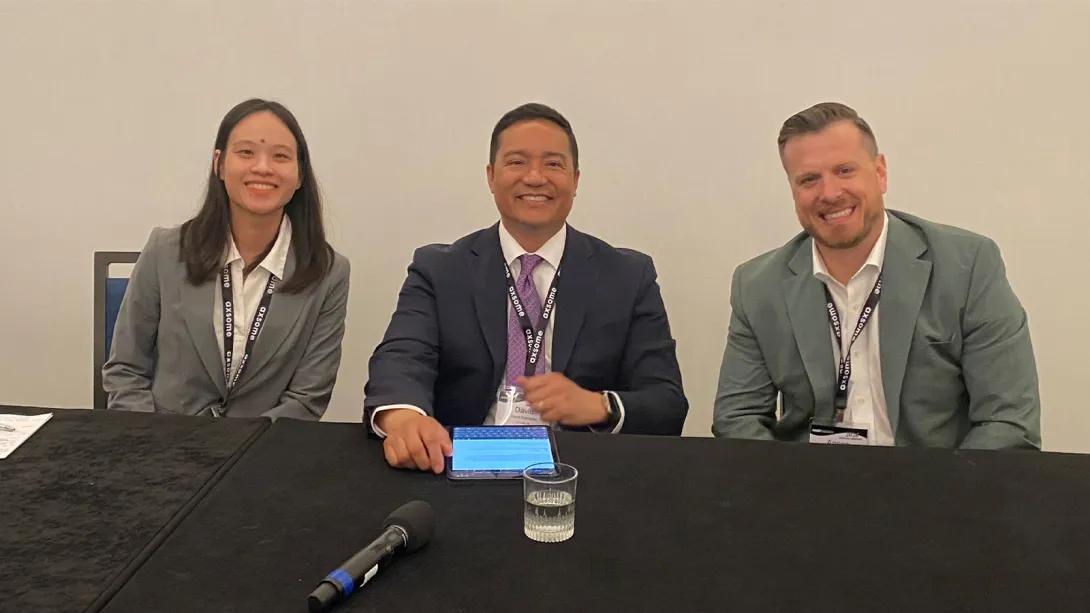
Table presenters at the Geriatric Psychiatry Annual Meeting
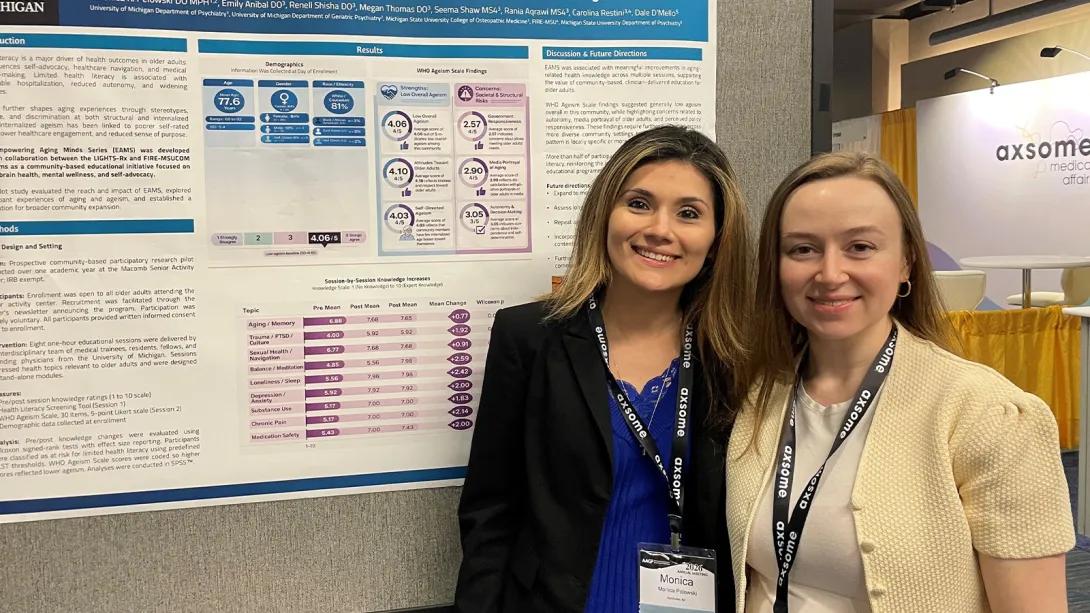
Fellows presenting a research poster at the Geriatric Psychiatry Annual Meeting
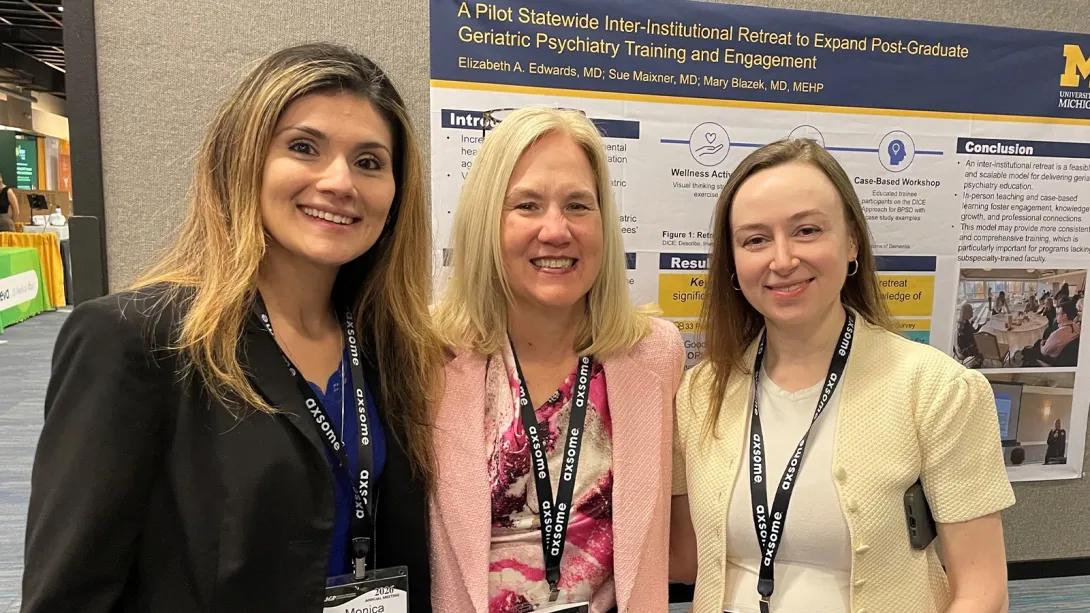
Fellow standing with program director Sue Maixner, presenting a research poster at the Geriatric Psychiatry Annual Meeting
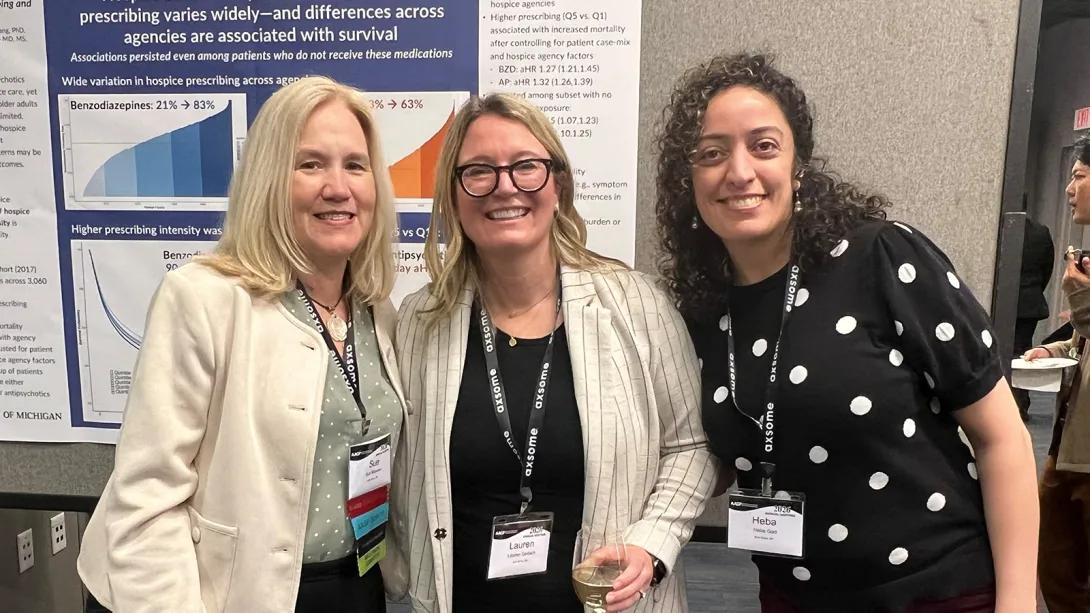
Staff presenting a research poster at the Geriatric Psychiatry Annual Meeting
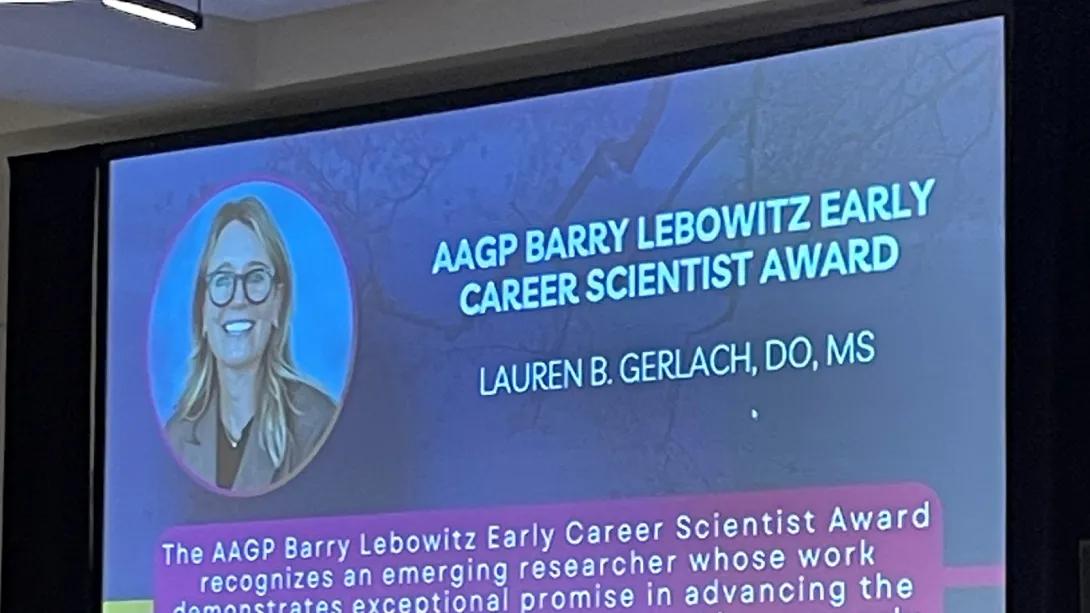
Lauren Gerlach received an award at the Geriatric Psychiatry Annual Meeting
Minding Memory Podcast
Listen to the Minding Memory podcast, which explores research on Alzheimer’s disease and other types of dementia.
Program Leadership
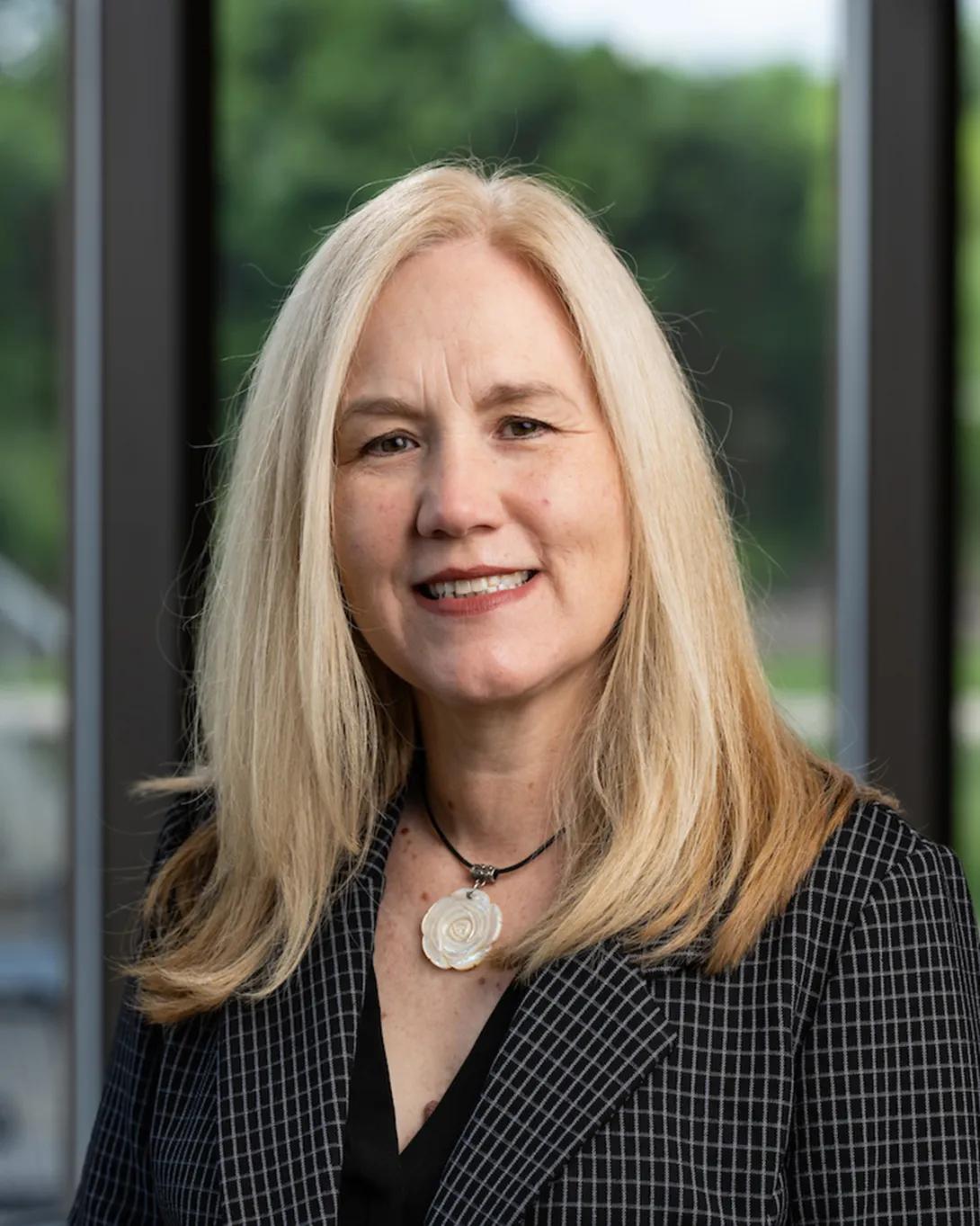
Susan Marie (Hakenson) Maixner, MD
Clinical Professor of Psychiatry
Program Director of Geriatric Clinical Program
Medical School
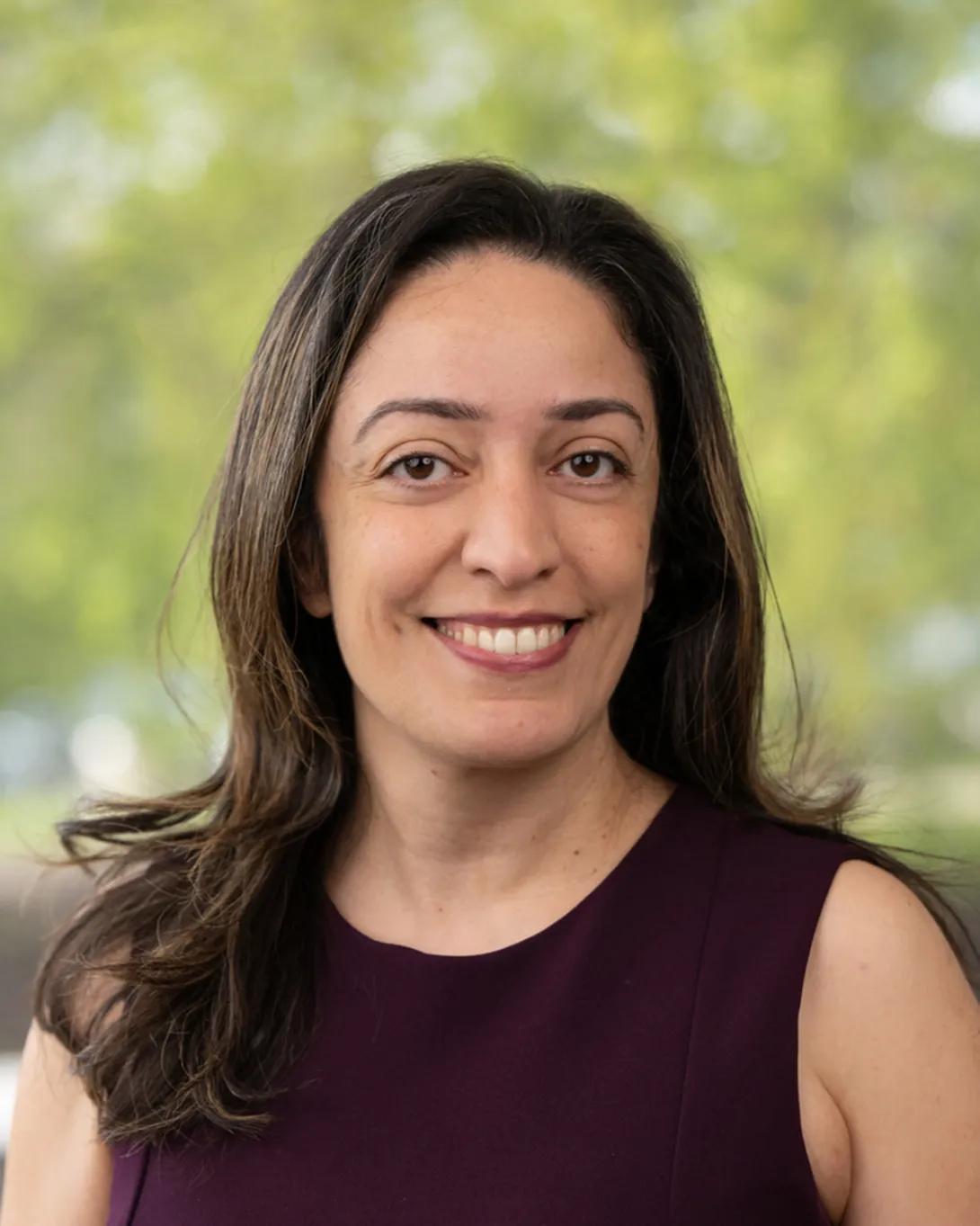
Heba Gad
Medical School
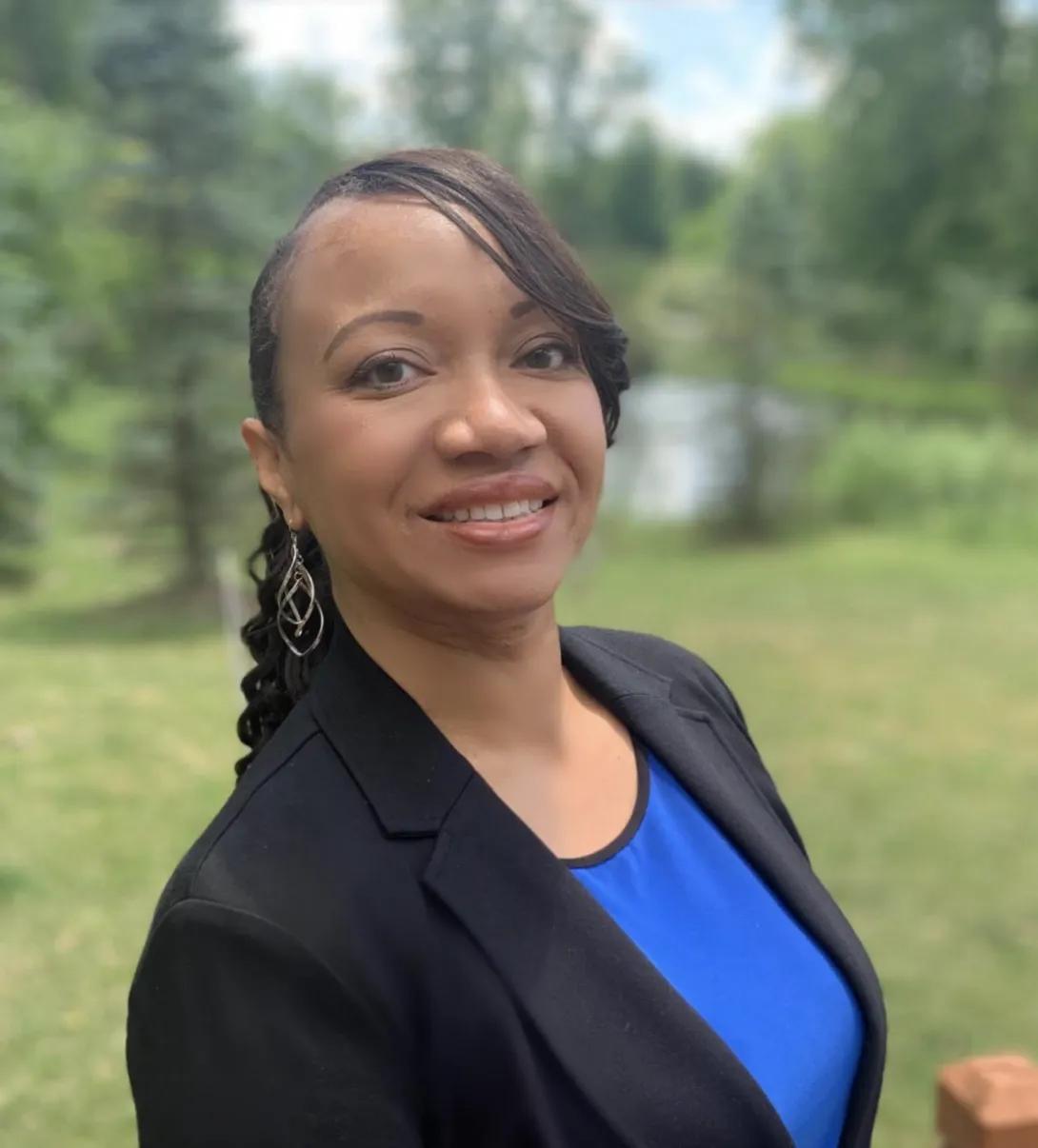
Celia Williams

Life in Ann Arbor
We find a new reason to love Ann Arbor nearly every day — year-round outdoor activities, cultural experiences, a growing food scene, and a welcoming, family-friendly atmosphere are just a few that come to mind. Explore all that Ann Arbor and our surrounding communities have to offer.

Wellness
The health and well-being of our team is a priority for our department's culture. Through onsite wellness programs and services, we offer diverse resources designed to support both you and your family.
