

Clinical Child Psychology Training Program
The Clinical Child Psychology Postdoctoral Training Program at the U-M Medical School is a two-year, APA-accredited fellowship designed to develop:
- Advanced clinical skills
- Scholarly independence
- Leadership as a scientist-practitioner
Interested in learning more?
Attend our virtual open house on October 26th from 8:00 p.m. - 9:00 p.m. EST.
For More Information
How to Apply
Learn more about our application process and requirements, and submit an application for our APPIC Psychology Postdoctoral.
Program Highlights
Two-year advanced training in clinical child and adolescent psychology
Individualized clinical and research training plans
Clinical-specialty and research-specialty tracks
Evidence-based assessment and treatment across outpatient and higher levels of care
Specialty rotations spanning anxiety and OCD, depression and suicide prevention, trauma and grief, infancy and early childhood, perinatal mental health, eating disorders, early psychosis, parent management training, and partial hospitalization
Research mentorship with faculty engaged in clinical, translational, implementation, and intervention research
Training toward independent licensure and board certification in Clinical Child and Adolescent Psychology
Supervision, teaching, and professional-development opportunities
About the Program
The Clinical Child Psychology Postdoctoral Training Program is based in the Department of Psychiatry at Michigan Medicine. In 2004, it became the first postdoctoral program in the nation to receive APA specialty accreditation in clinical child psychology.
The program is part of the Michigan Medicine and VA Ann Arbor Healthcare System Psychology Training Network. Fellows train in an interdisciplinary academic health system and participate in shared seminars, lectures, and professional-development activities across the network.
Training follows a scientist-practitioner model. Fellows receive advanced experience in the assessment and treatment of children, adolescents, and families; consultation; supervision; and scholarly work that informs clinical practice.
Salary & Benefits
The anticipated first-year stipend is $65,558. Benefits include health coverage, paid vacation and sick time, professional-development time, and travel support for professional development. Fellows receive office space, a computer, and access to Michigan Medicine clinical and research resources.
Contact
For application or administrative questions, contact Danielle Hayes, Psychology Postdoctoral Residency Training Program Coordinator.
Email: [email protected]
Phone: (734) 763-4872.
For questions about child training opportunities, contact Emily Bilek, PhD, Child Clinical Psychology Training Director.
Email: [email protected].
Fellowship Tracks
We offer two distinct tracks to meet the varying interests and career goals of our fellows.
The clinical-specialty track is designed for fellows seeking intensive advanced clinical training with protected time for research, education, and professional development. Fellows typically devote approximately 80% of their time to clinical responsibilities and 20% to research and educational activities.
The research-specialty track is designed for fellows seeking a balanced program of advanced clinical training and mentored scholarship. Fellows typically devote approximately 50% of their time to clinical responsibilities and 50% to research and professional-development activities.
All fellows work with their primary mentor to develop an individualized training plan aligned with their clinical interests, research goals, and career plans.
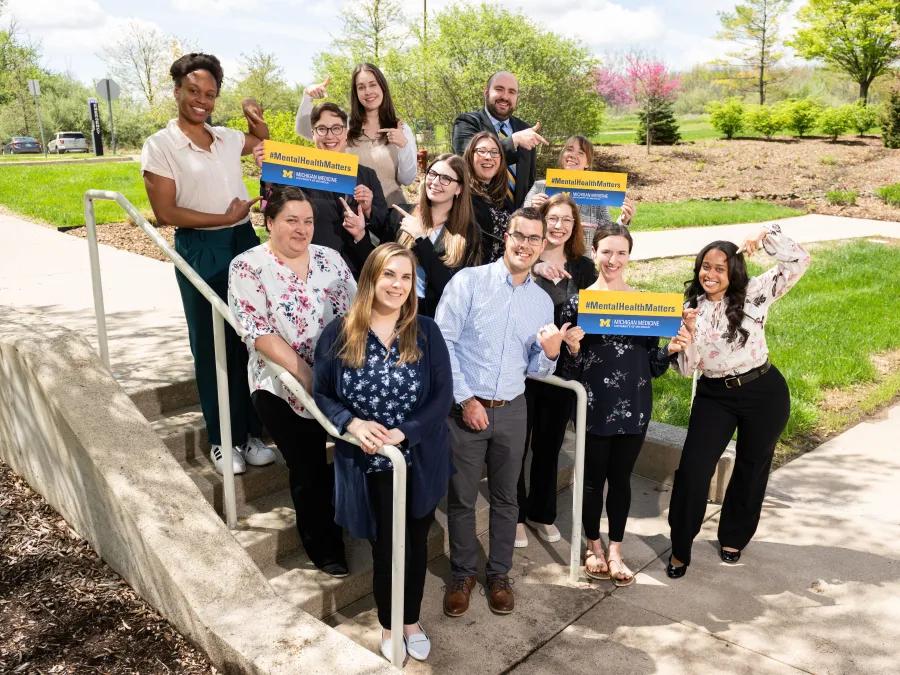
Current Fellows
Meet our current trainees in Psychiatry. Postdoctoral Fellows experience a rich training environment, featuring seminars, invited lectures, and opportunities to engage with faculty across disciplines.
Unique Training Opportunities
All fellows maintain an outpatient caseload and participate in new-patient evaluations. Additional rotations are selected with the fellow’s primary mentor. Rotation availability may vary by year, staffing, and fellow interest.
Specialty programs and rotations
Child OCD & Anxiety Disorders Program (COAP): Assessment and evidence-based treatment of pediatric anxiety, OCD, and related conditions, including CBT and exposure and response prevention.
Infant & Early Childhood Clinic: Developmental, relational, and trauma-informed assessment and intervention for infants, young children, and their caregivers.
Perinatal & Reproductive Psychiatry Clinic: Interdisciplinary assessment and psychotherapy with pregnant and postpartum patients and their families.
Trauma & Grief Clinic: Assessment and treatment of children and adolescents with trauma- or grief-related concerns, including TF-CBT and Trauma and Grief Component Therapy.
Youth & Young Adult Depression and Suicide Prevention Program: Interdisciplinary evaluation and care for youth with depression, self-harm, and suicide risk.
Program for Risk Evaluation & Prevention (PREP): Differential diagnosis and early intervention for adolescents and young adults experiencing possible psychosis-risk symptoms.
Comprehensive Eating Disorders Program: Assessment and evidence-based care across outpatient, intensive outpatient, and partial-hospitalization services for patients ages 8–22.
Child & Adolescent Partial Hospitalization Program: Short-term, intensive care for adolescents with mood and anxiety symptoms, self-harm, and suicidality, with opportunities that may include CBT, DBT, and exposure-based groups.
Psychotherapy Mentorship & Training Clinics: Intensive, supervised training opportunities that may include child CBT, parent management training, DBT, and other evidence-based psychotherapies.
Psychoeducational and developmental assessment: Optional supervised assessment experiences addressing diagnostic, cognitive, learning, autism, and developmental questions.
Fellows may also have the opportunity to pursue focused training in interventions such as Child-Parent Psychotherapy, Parent-Child Interaction Therapy, Comprehensive Behavioral Intervention for Tics, Habit Reversal Training, SPACE, TF-CBT, CBT for pediatric anxiety and mood disorders, and family-based treatment for eating disorders.
Each fellow participates in research throughout the two-year program. The goal is to help fellows strengthen their scholarly skills and develop a program of work they can continue after fellowship. Applicants should identify their preferred research mentor or program in their application.
Research opportunities may be available through:
ACCESS Lab: Exposure therapy training, clinician competence, implementation, and strategies to improve access to effective care for pediatric anxiety and OCD.
Youth & Young Adult Depression and Suicide Prevention Program: Suicide-risk screening and assessment, adaptive interventions, mobile health, caregiver supports, and community-based prevention.
Zero to Thrive: Perinatal, infant, and early childhood mental health; parenting; trauma; risk and resilience; and community-engaged prevention and intervention.
Women & Infants Mental Health Program: Perinatal mental health, parenting, infant mental health, trauma, intervention, and access to care.
Comprehensive Eating Disorders Program: Treatment processes and outcomes within family-based and higher-level eating-disorder care.
Available mentorships change from year to year. Applicants may contact Training Director Emily Bilek at [email protected] with questions about opportunities for the 2027–2029 cohort.
Fellows typically devote approximately 10% of their time to didactic learning. The curriculum combines required activities with optional opportunities selected in consultation with the fellow’s mentor.
Required activities
Weekly Professional Development Seminar for first-year fellows
Weekly Child Seminar
Monthly Postdoctoral Forum
Bioethics Conference at least twice per year
Additional opportunities
Department of Psychiatry Grand Rounds
Child Psychiatry Grand Rounds and multidisciplinary case conferences
Research Development Seminar for second-year fellows
Multidisciplinary clinical team meetings
Visiting lectures and educational events across the university
Rackham professional-development and diversity, equity, and inclusion programming
Teaching & Supervision
Fellows may supervise psychology practicum students, mentor undergraduate research assistants, assist faculty with seminars, and participate in other teaching activities as available.
Core Program Sites
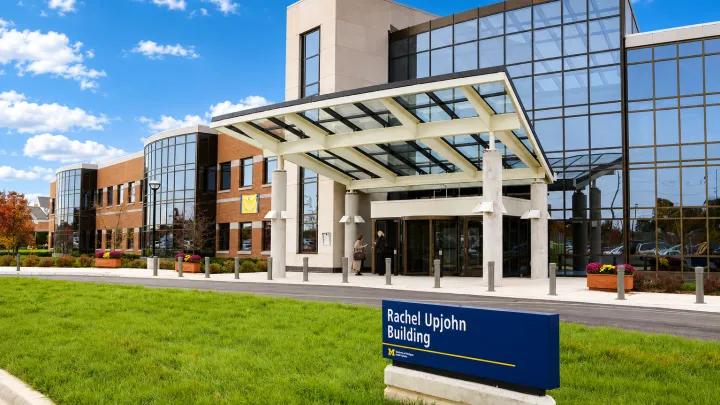
University of Michigan Health
A nationally ranked, 128-acre academic medical center featuring modern outpatient, inpatient, and specialty clinics—including the Rachel Upjohn Building, University Hospital, C.S. Mott Children's Hospital, and more. Fellows enjoy access to state-of-the-art support facilities, private workspaces, and the University’s digital resources.
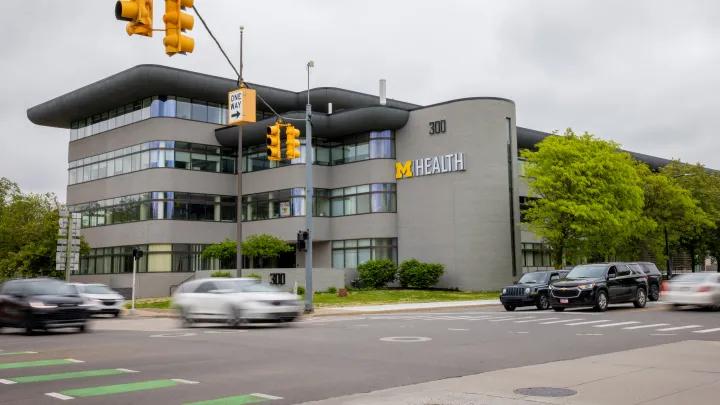
Ypsilanti Health Center
Depending on their rotations, fellows may also train at the U-M Health Ypsilanti Health Center, a cutting-edge facility in the heart of downtown Ypsilanti.

Our Community
Feel at home in Michigan. Explore what it’s like to live, learn and grow in Ann Arbor among a diverse and supportive network of leaders in psychiatry and mental health.
Accreditation
Learn more about our accreditation by the American Psychological Association Commission on Accreditation.
Program Leadership
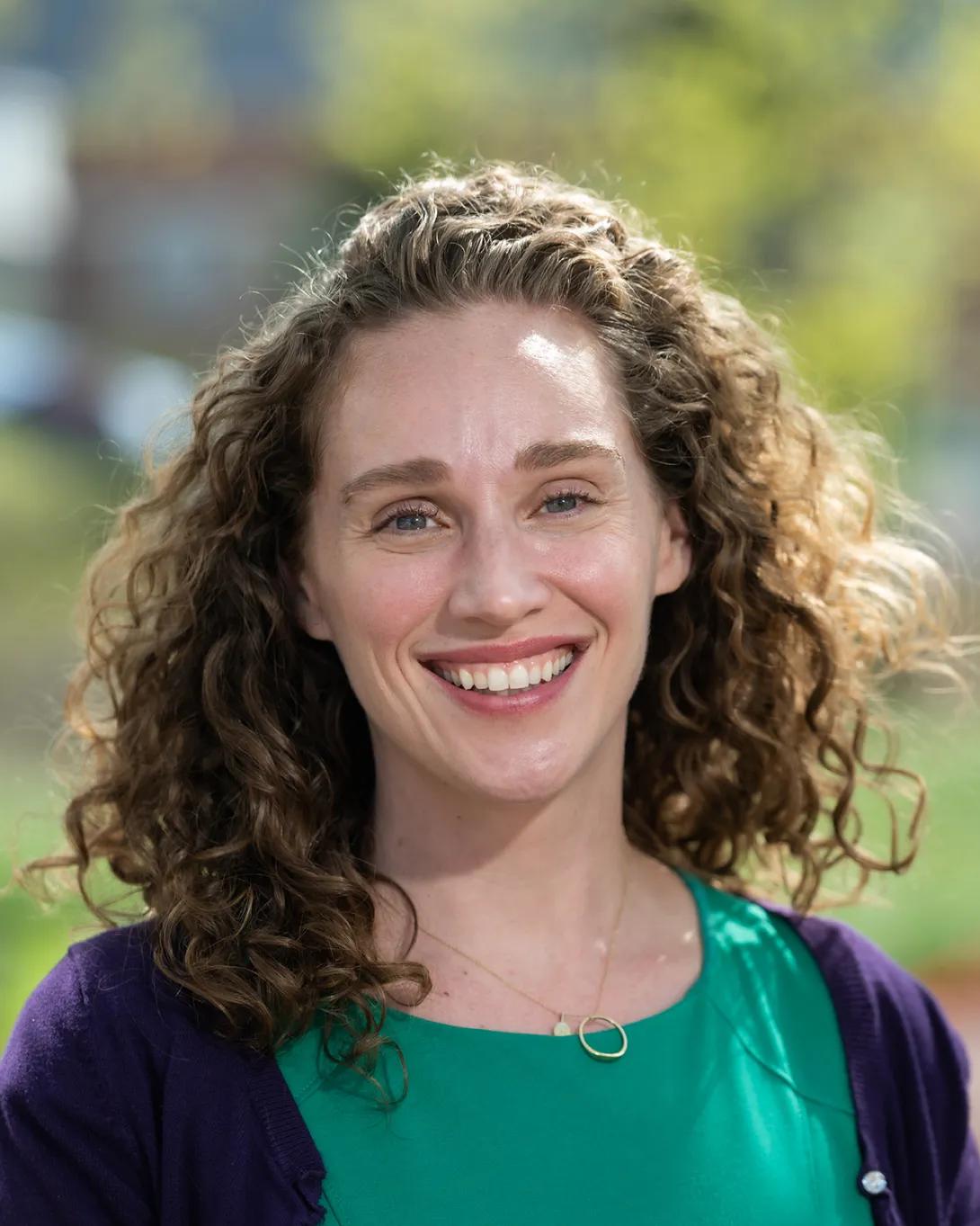
Emily L Bilek
Clinical Advisor
Psychiatry
Medical School
