
General Psychiatry Residency Curriculum & Clinical Rotations
Choosing a residency program is a significant decision, and we are here to help you make an informed choice. The U-M Medical School Department of Psychiatry's General Psychiatry Residency program offers a comprehensive rotation schedule with diverse clinical experiences and an extensive didactic curriculum.
Through lectures, seminars, and interactive discussions covering topics from neurobiology and psychotherapy to ethics and practice management, you’ll gain the skills and knowledge needed for a successful career in psychiatry.
For More Information
Curriculum Overview
The balanced and interactive design of our didactic core ensures a strong foundation for clinical excellence and academic growth.
- PGY-1: Residents receive a broad introduction to the field of psychiatry, with special emphasis on clinical interests during an intensive internship.
- PGY-2: The focus shifts to fundamentals of psychology, psychodynamics, and psychopharmacology. Residents study clinical topics such as emergency psychiatry, consultation/liaison work, and psychodynamic psychotherapy, along with in-depth exploration of specific disorders and specialized therapies. The curriculum builds from foundational principles to more advanced skills.
- PGY-3: Training begins with intensive sessions covering clinical issues relevant to outpatient psychiatry. Ongoing didactics include psychodynamic principles, psychopharmacology, multimodal treatment, ethics, spirituality, and more. Specialized topics such as geriatric psychiatry, community psychiatry, marital therapy, interpersonal therapy, and cognitive-behavioral therapy are integrated alongside clinical experiences.
- PGY-4: Residents complete an integrated neuroscience curriculum covering neuroanatomy, neurochemistry, clinical neurology, and current research. Additional coursework includes forensics, research techniques, managed care, practice management, and related topics.
Didactics Core Curriculum
The didactic core of the residency features an extensive series of lectures and discussions offered throughout the four years of training. Courses are content-rich and designed to encourage discussion and interaction. The curriculum balances various aspects of psychiatry to ensure comprehensive training.
Seminars run throughout all four years. About 15% of the curriculum focuses on key areas such as neurobiology, psychoanalytic therapy, cognitive/behavioral therapy, diagnostic issues, service systems, and other therapy approaches. The remainder includes ethics, forensics, and practice management.
Clinical Rotations
Our comprehensive rotation schedule offers diverse, enriching clinical experiences to prepare you for a successful career in psychiatry. This structured rotation schedule ensures a broad foundation and the flexibility to pursue individual goals within psychiatry.
- Inpatient Psychiatry (VA, 3 months): Care for veterans with chronic and acute psychiatric disorders, including schizophrenia, mood disorders, and PTSD, in an interdisciplinary setting with close supervision.
- Inpatient Psychiatry (U-M, 1 month): Manage acutely ill patients with diverse backgrounds; focus on assessment, crisis intervention, and medication management.
- Addiction Psychiatry (VA, 1 month): Outpatient care for addiction and co-morbid psychiatric disorders, experience with SUD-IOP, withdrawal management, and maintenance treatment.
- Consultation/Liaison Psychiatry (VA, 1 month): Psychiatric assessment of medical/surgical patients, managing delirium, and capacity evaluation.
- Medicine Rotations (4 months minimum): Options include inpatient internal medicine (2–3 months, VA), family medicine (1 month, U-M), and pediatrics (up to 1 month, U-M). Experience a wide range of acute and chronic medical conditions, with case seminars and didactics.
- VA Urgent Care (1 month): Manage a spectrum of urgent medical and psychiatric cases with a high degree of autonomy.
- Neurology (2 months): One month each at VA and U-M. Involvement in both outpatient and inpatient neurology, consults, and emergency neurological care.
- Didactics: Weekly lectures on core topics; “Intern Bootcamp” for the first 6 weeks with senior residents. Attend Grand Rounds and present at VA Clinical Grand Rounds.
- Inpatient Psychiatry (5–6 months): Rotations at U-M and VA, with reasonable caseloads, intensive supervision, and protected didactic time.
- Emergency Psychiatry: Night float system minimizes overnight call. Additional hands-on experience in Psychiatric Emergency Services Day Float month.
- Electroconvulsive Therapy (ECT): Gain technical skills in ECT.
- Outpatient and Community Psychiatry (Full Year): Participate in interdisciplinary clinics and work closely with full-time faculty mentors in family, cognitive-behavioral, dialectical, interpersonal, and psychodynamic therapies.
- Specialty Clinics: Geropsychiatry, Child/Adolescent, Addiction, and others. Long-term psychotherapy cases and intensive supervision.
- Forensic Psychiatry: Two-week rotation at the Center for Forensic Psychiatry; exposure to civil and criminal interface cases.
- Advanced Rotations and Electives: Focus on areas of interest, advanced clinical skills, and preparation for independent practice.
- Consultation/Liaison Psychiatry (2 months): Supervise and mentor junior residents.
- Electives: Options include outreach programs, specialty clinics, ECT, TMS, ketamine, early psychosis, corrections, and more. Residents develop new electives tailored to their interests.
Psychotherapy Training
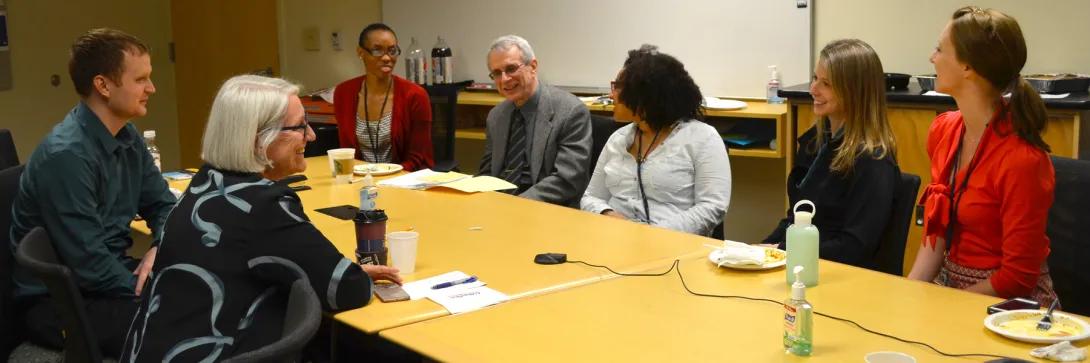
We recognize the importance of balanced training—not only between psychological and biological therapies, but also between traditional psychoanalytic therapy and newer, evidence-based approaches.
Our program ensures that every resident develops skills in cognitive behavioral therapy (CBT), dialectical behavior therapy (DBT), interpersonal therapy (IPT), and psychodynamic therapy. Few programs offer the breadth and depth of psychotherapy training available at the University of Michigan Medical School.
During PGY-3 and PGY-4, residents engage in a series of six-month intensive mentorships in CBT, DBT, IPT, motivational interviewing (MI), parent management training (PMT), and couples and family therapy. These experiences include didactics, supervision, and hands-on clinical practice, often aligned with outpatient assignments. By graduation, residents are fully prepared to practice these therapies independently.
This mentorship builds advanced clinical skills by sharpening residents’ interviewing abilities through observed sessions, video review, and structured feedback, leaving graduates confident in their clinical interactions.
Residents begin psychoanalytic education in PGY-1 and advance through formal coursework, supervision, and case discussions in subsequent years. Ongoing collaboration with the Michigan Psychoanalytic Institute provides additional faculty supervision, seminars, and the option to start formal psychoanalytic training—including personal analysis and supervised training analysis—during residency.
Residents receive both dedicated time and financial support to participate in enrichment programs. Our integrated approach provides residents with strong theoretical foundations and extensive supervised practice across the full spectrum of psychotherapy.
Our Community
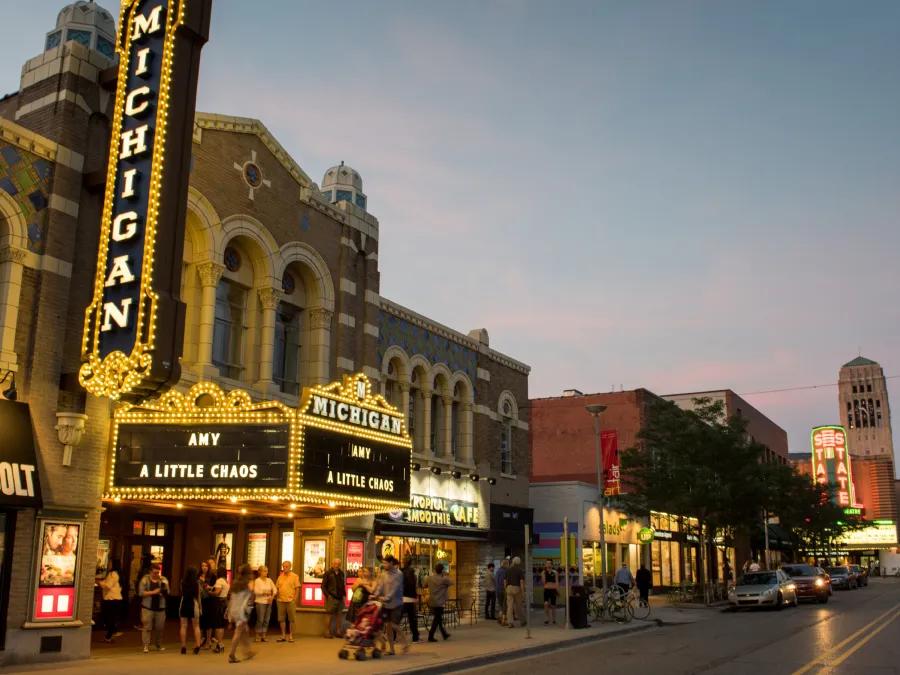
Feel at home in Michigan. Explore what it’s like to live, learn and grow in Ann Arbor among a diverse and supportive network of leaders in psychiatry and mental health.
