-
Addiction Center -
Adult Anxiety Disorders -
Child OCD & Anxiety Disorders -
Geriatric Psychiatry -
Mental Health Innovation Services & Outcomes -
Mood Disorders Lab -
Interventional Psychiatry -
Neuropsychology -
Program for Risk Evaluation & Prevention -
Sleep & Circadian Rhythms -
Women & Infants Mental Health -
Youth & Young Adult Depression & Suicide Prevention -
Youth Suicide Prevention Initiative
Child OCD & Anxiety Disorders
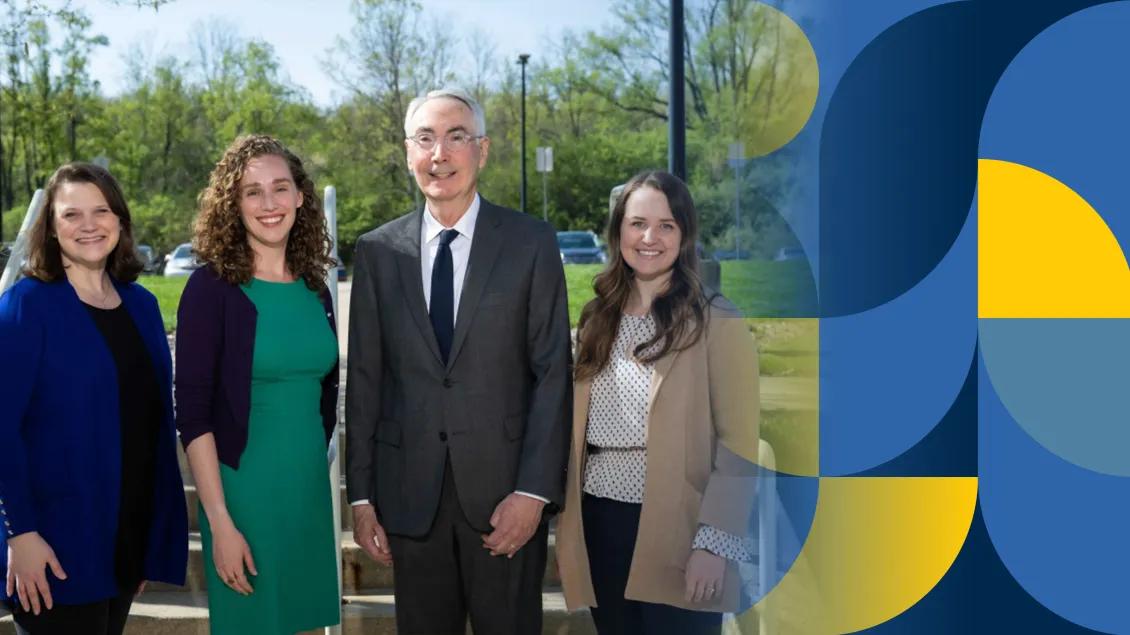
Pioneering Clinical Research
We combine expert, evidence-based patient care with pioneering clinical research and specialized training focused on the unique needs of young people.
Education
Education for clinicians is a central part of our mission. We provide specialized training in the diagnosis and treatment of pediatric anxiety to ensure that providers are prepared to implement the best available practices. Our educational initiatives also extend to families, helping them understand anxiety disorders and empowering them to support their children effectively.
Our program is comprised of a multidisciplinary team, providing education and training across all stages of development to those from diverse domains, including Social Work, Psychology, and Psychiatry. Faculty are involved in a multitude of training experiences, such as staffing and training fellows on intakes and Cognitive Behavioral Therapy.
Rotations in the Child OCD & Anxiety Disorders Program are available through the following:
Patient Care
Anxiety disorders are the most common psychiatric concern in children and teens, affecting up to one third of youth and impacting school, social, and family life. Our program is committed to delivering expert, compassionate care to children and adolescents experiencing anxiety disorders and OCD. Using established, evidence-based treatments, such as cognitive behavioral therapy and medication, we tailor interventions to the developmental needs of each child or teen. We understand the challenges anxiety can pose in school, social, and family settings, and we actively partner with families to support every aspect of the treatment process.
Research
Clinical research is integral to our program. While many children and teens benefit from current treatments, some do not fully respond or face barriers to access. Our research aims to identify which interventions work best for different individuals, develop new therapies for those who do not respond to current methods, and improve the accuracy and timeliness of diagnosis.
We also study the underlying causes and risk factors for anxiety in youth and create early intervention strategies to reduce long-term impact. Recognizing that children and teens have unique developmental needs, our studies are carefully designed to be age-appropriate and supportive of families. Research participants may receive child-friendly prizes, incentives, or access to valuable diagnostic and referral resources.
Why Participate in Pediatric Anxiety Research?
Thanks to the participation of young people and their families in recent research, we have better treatments available for childhood anxiety than ever before! Although research has already shown that cognitive behavior therapy and/or medication work well for many youth, further study is needed to:
- Understand what treatments will work best for each individual
- Develop additional treatment options for youth who do not respond to current treatments
- Understand the factors that place person at greater risk for developing an anxiety disorder
- Improve diagnostic speed and accuracy
Research allows us to better understand the driving forces behind childhood anxiety and how to most effectively treat it. You can help us do this!
It is important to study anxiety in all ages, and that includes our youth! Due to differences in neurological and social development, the treatments that work well for adults may not always work as well with teens or children. Research can help us pinpoint the differences between anxious youth and anxious adults, allowing us to tailor treatments more effectively to these differing developmental stages.
Childhood anxiety research also allows us to examine strategies for "early intervention." Individuals displaying anxiety symptoms at a young age may be at increased risk for carrying these symptoms into adulthood. Fortunately, we have a golden opportunity to act while these young brains are still in development! With the help of research, we can learn to both identify and treat anxiety sooner.
To help thank you for the time you spend with us, some studies may offer child-friendly prizes, gift cards, or financial incentives. Others may offer an established treatment, an experimental treatment, diagnostic information, referral resources, or other details about your child and their anxiety. All studies are different, so the best way to find out more is by learning more about our current studies!
Support Psychiatry
Your gift will change and save lives and transform the future of mental health care.
Program Leadership

Gregory L Hanna

Emily L Bilek
Clinical Advisor
Psychiatry
Medical School

Can Beser, MD
Medical School
Morgan Bolen, PsyD
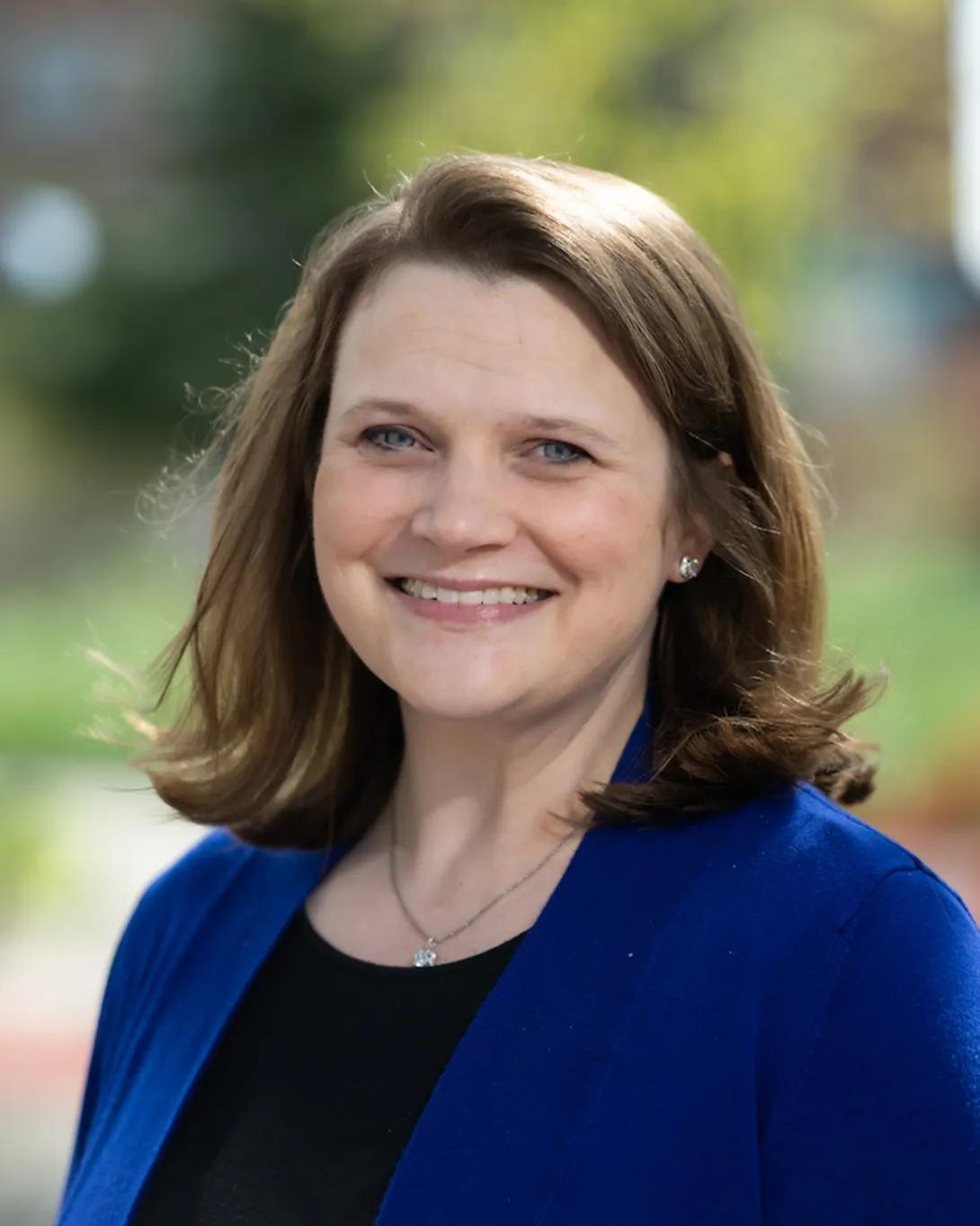
Jami Socha, PhD
Medical School

Jamie Travis, PhD, DBSM
Medical School
Featured News & Stories

What’s the latest on 7-OH and kratom availability and addiction care?

Depression in OBGYN residents needs more attention, study suggests
Youth Suicide Prevention Initiative Fall 2026 Newsletter

Emily Kautz, M.A., nominated for inaugural Michigan Medicine award

Sarah Sperry, Ph.D., featured on ‘Healthy Minds’ to discuss managing bipolar disorder