
-
Addiction Center -
Adult Anxiety Disorders -
Child OCD & Anxiety Disorders -
Geriatric Psychiatry -
Mental Health Innovation Services & Outcomes -
Mood Disorders Lab -
Interventional Psychiatry -
Neuropsychology -
Program for Risk Evaluation & Prevention -
Sleep & Circadian Rhythms -
Women & Infants Mental Health -
Youth & Young Adult Depression & Suicide Prevention -
Youth Suicide Prevention Initiative
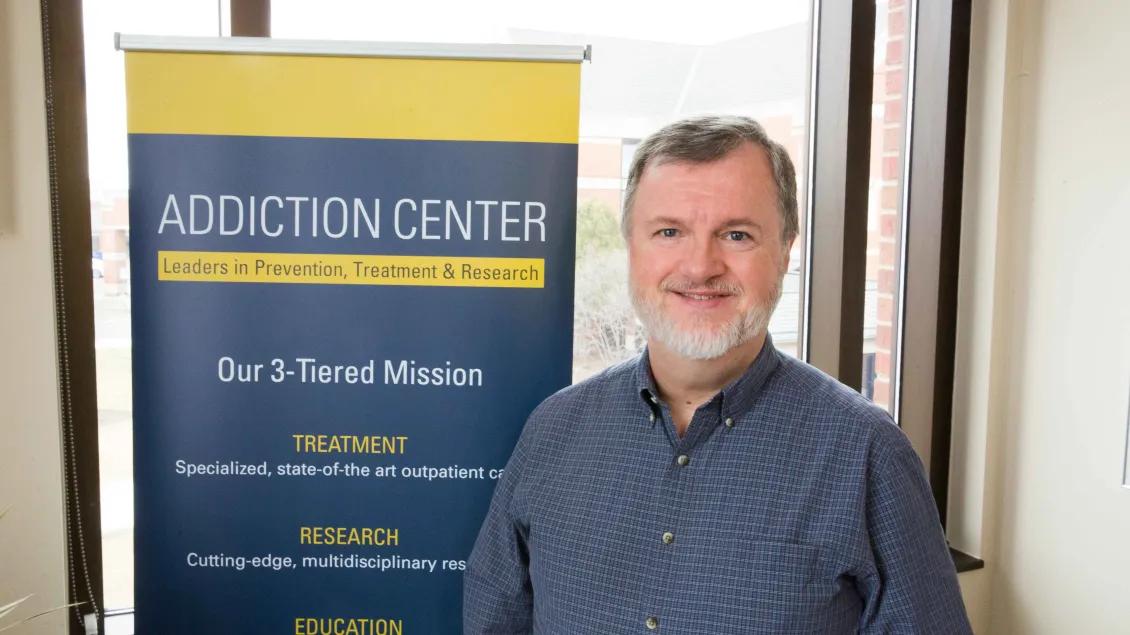
Addiction Center Research
The U-M Medical School Department of Psychiatry Addiction Center’s research is anchored in six interdisciplinary thematic areas, spanning molecular genetics to computational neuroscience.
Within each area, both comprehensive and pilot-scale projects are actively advancing our understanding and treatment of addiction.
Learn more by jumping to the links below:
Research Focus Areas
Research in this area is dedicated to evaluating the efficacy of screening and early intervention protocols for adolescents and young adults related to alcohol, other substances, and violence. This includes the implementation of randomized controlled trials and the development of family-based interventions for at-risk youth.
This theme encompasses investigations into genetic, neuropsychological, and psychosocial factors underlying alcoholism and substance use across the lifespan. Focus areas include identifying markers of risk, understanding developmental trajectories, and examining the diversity of addiction phenotypes.
In partnership with MNI and the Functional MRI Laboratory, research in this domain utilizes advanced neuroimaging techniques, including fMRI and PET, to explore how brain activation patterns relate to genetic and behavioral risk, neurocognitive functioning, and outcomes in nicotine, alcohol, and illicit drug use.
Studies in this thematic area examine predictors of treatment course, evaluate intervention effectiveness, and facilitate medication development. Researchers focus on biological, psychosocial, cultural, and spiritual factors that influence recovery, with particular attention to genetic markers—such as those in the GABA and serotonin systems—and the role of sleep physiology.
Research in this area addresses the outcomes of addiction treatment services and investigates differences in presentation and progression across diverse population subgroups, helping to inform equitable, effective care.
Focus here is given to the interplay between sleep disturbances, chronic pain, and substance use disorders. Projects include studying the impact of sleep issues on the course and relapse of alcohol use disorders, the role of chronobiological variation as a predictor of substance use, and the development of innovative interventions for co-occurring pain and substance use. Research also addresses safe opioid use and prevention of adverse outcomes, such as overdose.
Collaborations
The Addiction Center maintains strong partnerships within the university and with leading institutions beyond our campus. These collaborations are vital to our mission, enabling innovative research, diverse clinical training opportunities, and comprehensive treatment evaluation.
Key partners include U-M Addiction Treatment Services (UMATS) and the VA Ann Arbor Healthcare System, where many faculty hold joint appointments. The VA Ann Arbor operates outpatient and intensive substance use disorders programs and is actively engaged in clinical research and VA/Department of Defense-funded clinical trials.
The Addiction Center also works closely with departments and centers across the university, as well as with external partners such as Michigan State University, the University of Arkansas Medical Center, Oregon Health & Science University, and the University of Idaho. These collaborations reflect our commitment to multidisciplinary research and enhancing care for those affected by substance use disorders.
Research Studies
Our research drives the development of studies that aim to support advancements in the field. Learn more about featured studies from our team and how to participate.
ABCD Study
ABCD (Adolescent Brain Cognitive Development) is an ongoing national study on brain development and child health supported by the National Institutes of Health (NIH). Since its inception in 2015, ABCD has already begun to increase our understanding of environmental, social, genetic, and other biological factors that affect brain and cognitive development, as well as enhance or disrupt a young person's traectory.
Learn more about the ABCD Study
Persist Study
The Persist Study is a research project focused on helping people manage chronic pain and their medications. To find out if you qualify to participate, you will be asked a few brief questions about your treatment, substance use, and pain experience.
FAQs: Persist Study
Participation in this study will take place over one year. As a participant in this study, you will be asked to attend up to 8 sessions over the phone or video. These sessions will include education about pain and medication management as well as resources for coping along with weekly surveys about how you’re doing. A baseline survey and interview will be completed as well as five follow up sessions at 1, 3, 6, 9, and 12 months after enrollment. You may earn up to $500 for your participation in the full study.
While not everyone in our study will benefit, you may receive tools for coping with chronic pain and managing your medications.
There are a few minor risks associated with study involvement. One risk is the unlikely event on a breach of confidentiality. Another possible risk is discomfort while discussing sensitive topics like substance use. Once enrolled in the study, you can stop at any time and skip any questions you do not feel comfortable answering.
Your information and participation will be kept confidential and secure. Information collected about you in this study will not be directly tied to your name, address, or other personal information. Only our study team will have access to this personal information.
The first visit (baseline survey, interview, and information about the study) will take around 2 hours to complete. For those in Group 1, each session (1-8) will last 45-60 minutes each. For Group 2, the second and third sessions will last 5-10 minutes. Weekly surveys will take around 5 minutes to complete. Each follow up event (1-5) will last around 90 minutes. Please see chart in section 8 for more details about timing of study activities. We are able to meet you where you are comfortable to complete the study.
