

Psychotherapy Mentorship Training
The U-M Medical School Department of Psychiatry Psychotherapy Mentorship training program provides a comprehensive range of experiences to help trainees across disciplines develop strong skills in multiple therapeutic modalities. Through hands-on practice and personalized supervision, trainees learn to apply evidence-based psychotherapy approaches. These mentorships equip trainees to deliver effective, specialized care to diverse patient populations throughout the lifespan.
Explore Our Mentorships
CBT for Anxiety is a skills-based treatment focused on addressing anxious thoughts, worries, and avoidance behaviors through cognitive restructuring and exposure exercises. Mentorship includes evidence-based approaches for anxiety, stress, and OCD spectrum disorders, and briefly covers complementary treatments such as mindfulness and ACT.
This mentorship equips residents with foundational CBT principles for depression, focusing on identifying and changing negative core beliefs and automatic thoughts. Participants use resources like Feeling Good by Dr. David Burns and other readings. Residents learn to apply CBT in brief visits or therapy sessions and are encouraged to bring CBT into their own professional and personal challenges, emphasizing self-acceptance, compassion, and humor.
This training covers assessment and treatment of insomnia disorder, including sleep regulation, common sleep disorders, and structured CBTi sessions. Trainees work independently with cases and participate in group supervision, meeting weekly for three months with a minimum attendance requirement.
Residents learn DBT’s four core modules: Mindfulness, Emotion Regulation, Interpersonal Effectiveness, and Distress Tolerance. The program includes weekly skill practice, picking up a DBT therapy case, and a final case presentation.
IPT is a short-term psychotherapy targeting interpersonal issues underlying psychological distress. The focus is on symptom relief, improved functioning, and greater social support. Treatment typically includes 6–20 sessions with provision for ongoing maintenance.
This interactive course uses exercises, role-plays, demonstrations, and limited didactics. Residents must demonstrate proficiency with a recorded MI session at the end of the class.
Combining didactics and live observation, this clinic offers IPT for adolescents (targeting mood and interpersonal functioning) and FFT for families (focusing on education and skills training for youth with bipolar disorder or disruptive behaviors). Trainees’ sessions are observed and supervised in real time.
Training consists of case discussion, didactics, and live observation of actual CBT sessions for child patients. Supervision and feedback are provided for each session.
Fellows deliver Trauma-Focused CBT and/or Trauma and Grief Component Therapy to children with trauma or grief as the main concern, with live supervision and group discussion throughout the experience.
Acceptance and Commitment Therapy (ACT) is a mindfulness-based transdiagnostic intervention focused on accepting moment-to-moment thoughts and feelings; choosing values; and taking action in the service of those values. ACT has been recognized as an evidence-based psychotherapy by entities such as APA’s Division 12, the Veterans’ Health Administration, and the UK’s National Health Service. The mentorship includes applications in the treatment of depression, anxiety, chronic pain, and psychosis.
Program Leadership
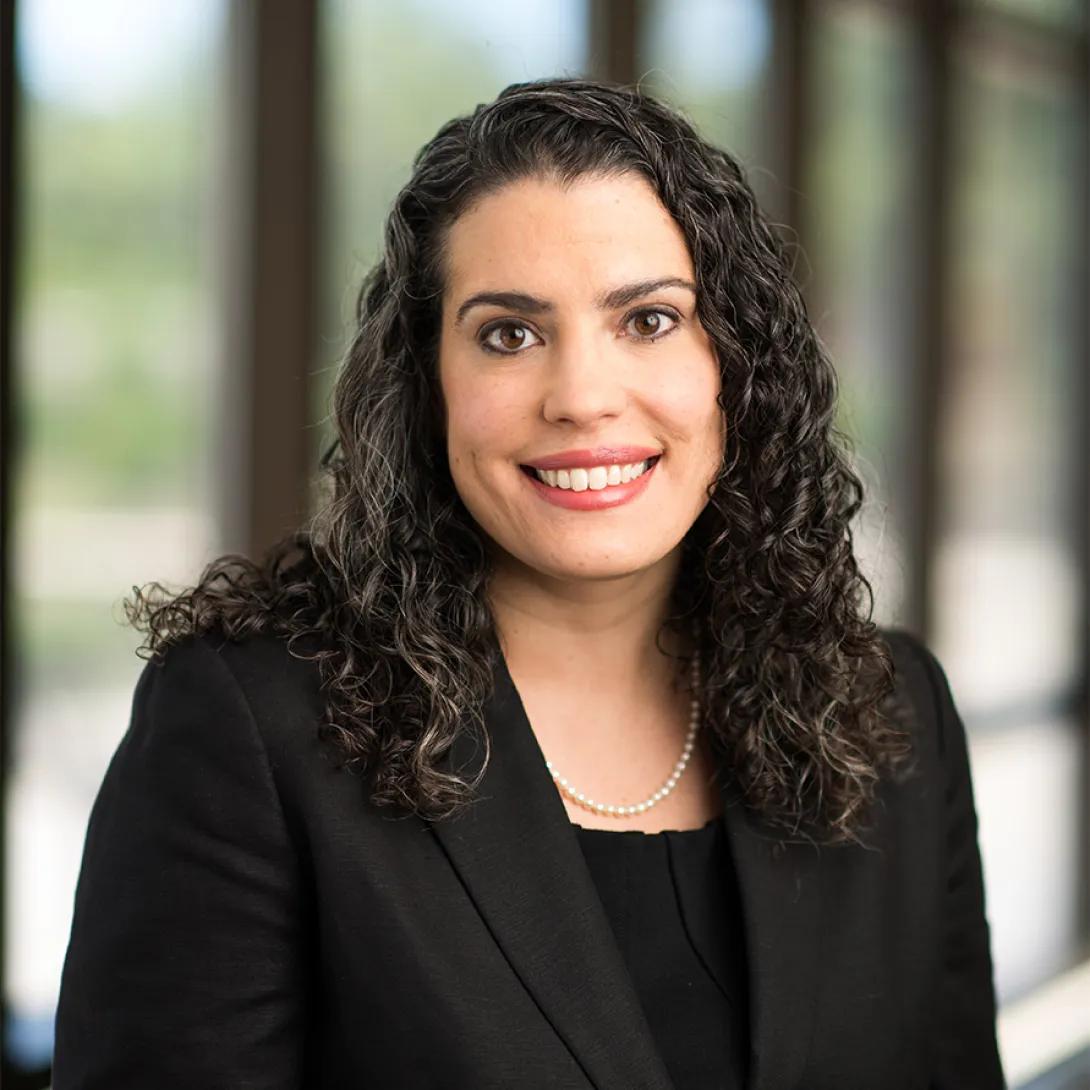
Leslie M Swanson, PhD
Medical School

Katherine Bullard, MLSW, MPH
Assistant Chair, Psychotherapy Competency Committee
