-
Addiction Center -
Adult Anxiety Disorders -
Child OCD & Anxiety Disorders -
Geriatric Psychiatry -
Mental Health Innovation Services & Outcomes -
Mood Disorders Lab -
Interventional Psychiatry -
Neuropsychology -
Program for Risk Evaluation & Prevention -
Sleep & Circadian Rhythms -
Women & Infants Mental Health -
Youth & Young Adult Depression & Suicide Prevention -
Youth Suicide Prevention Initiative
Sleep & Circadian Rhythms

Sleep and Circadian Rhythm Experts
Advancing Our Understanding of Sleep and Circadian Rhythms
Program Overview
We research sleep and circadian rhythms in human clinical disorders and treat patients with sleep and circadian disorders. The overarching goals of the program are to:
- Understand the role of sleep and circadian rhythms in human clinical disorders
- Create, test, and translate sleep and circadian research to improve health and well-being
- Promote the integration of sleep and circadian wellness into everyday clinical practice
- Train the next generation of sleep and circadian scientists and clinicians
Education
As a leader in the field, we offer robust educational opportunities for the next generation of sleep and circadian science experts in the U-M Medical School Department of Psychiatry. Accredited by the Society of Behavioral Sleep Medicine, our program serves as a primary clinical educational track and is accessible to psychology postdoctoral fellows through the Clinical Adult Psychology Training Program.
Fellows acquire both the clinical experience necessary for psychologist licensure and specialized preparation for certification.
Patient Care
We provide specialized clinical services to adults experiencing sleep and circadian disturbances. Patients benefit from a comprehensive, interdisciplinary approach that integrates evidence-based behavioral therapies tailored to individual needs. Our commitment extends to addressing insomnia, dependence on sleep medications, circadian rhythm challenges, and adjustment to therapies for sleep apnea—all with a focus on improving sleep quality and overall well-being.
Our facilities, situated in the Rachel Upjohn Building, include state-of-the-art resources for both clinical care and research. Key features include wired bedrooms for sleep recording, a central control room, time isolation suites with precise temperature and light controls for circadian studies, and specialized rooms for participant assessment and photostimulation. Secure access and a thoughtful facility design promote participant safety and uphold research integrity.
Research
Sleep and Circadian Research Laboratory

The Sleep and Circadian Research Laboratory is a unique facility that has been specifically designed to conduct sleep and circadian research studies in humans. The main laboratory includes three wired bedrooms for sleep recording and a central control room with ensuite bathroom (toilet, sink, shower). Each bedroom has a twin-sized bed, side table, and a desk and chair. The main laboratory also includes a room specifically designed for meeting with potential participants, a room for study visits with enrolled participants, and a room containing a dim light photostimulator used to assess circadian photoreceptor sensitivity. The laboratory also includes a kitchen, a conference room, locked storage rooms, and offices for research and clinical staff.
Adjacent to the main laboratory are two temperature and light controlled time isolation suites, each with its own wired bedroom for sleep recording, living room, and bathroom (toilet, sink, shower). These suites also have a computerized lighting system that can precisely control the environmental conditions. These suites are designed for participants to live in the laboratory for many days, if the research requires longer stays in the laboratory. They can also be used for circadian phase assessments, to determine circadian timing.
Current research studies are actively recruiting participants:
- Fibromyalgia A to ZZZ Study: To apply, call (734) 763-5226 or email [email protected].
- Better Sleep for Bipolar Disorder: To apply, complete the pre-screening survey
and email [email protected] or call (734) 232-0497.
Several of our sleep and circadian rhythm experts were featured in a 4-part webinar series by the University of Michigan Alumni Association: The Science of Sleep.
Lecture 1: The Science of Sleep
Lecture 2: Foundations of Healthy Sleep
Lecture 3: When Sleep Goes Wrong
Lecture 4: Sleep Myths: Fact or Fiction?
Watch the entire series on YouTube.
Support the Sleep and Circadian Research Laboratory
Your gift will fund novel sleep and circadian research.
Explore our Spaces
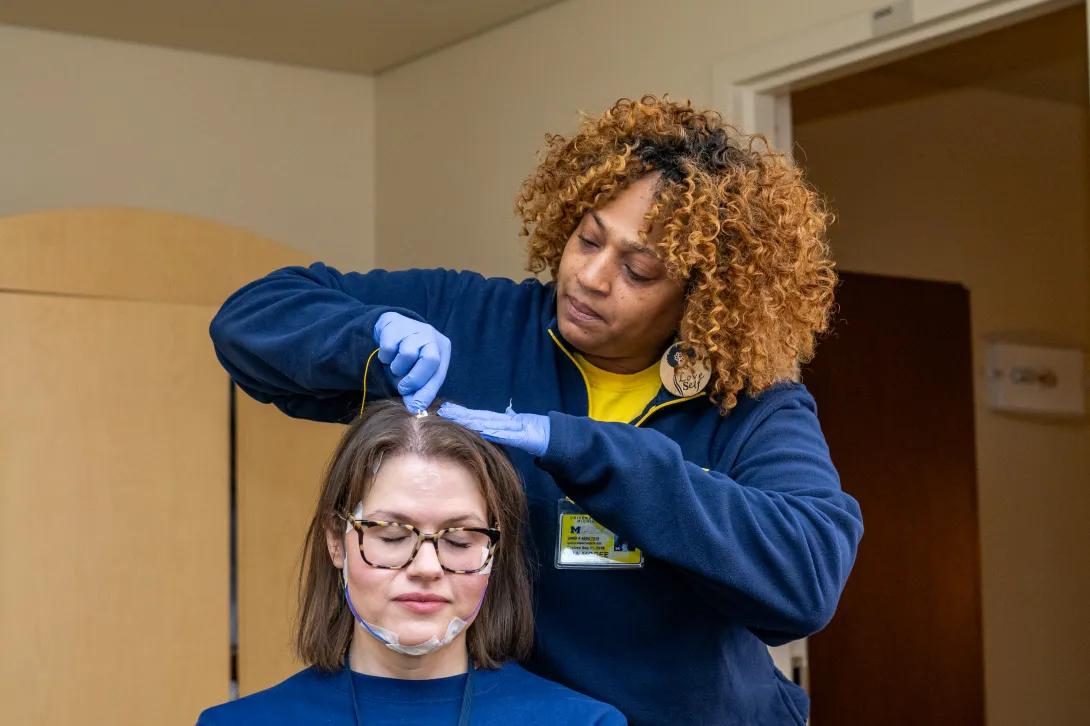
Preparation for polysomnography (sleep study)
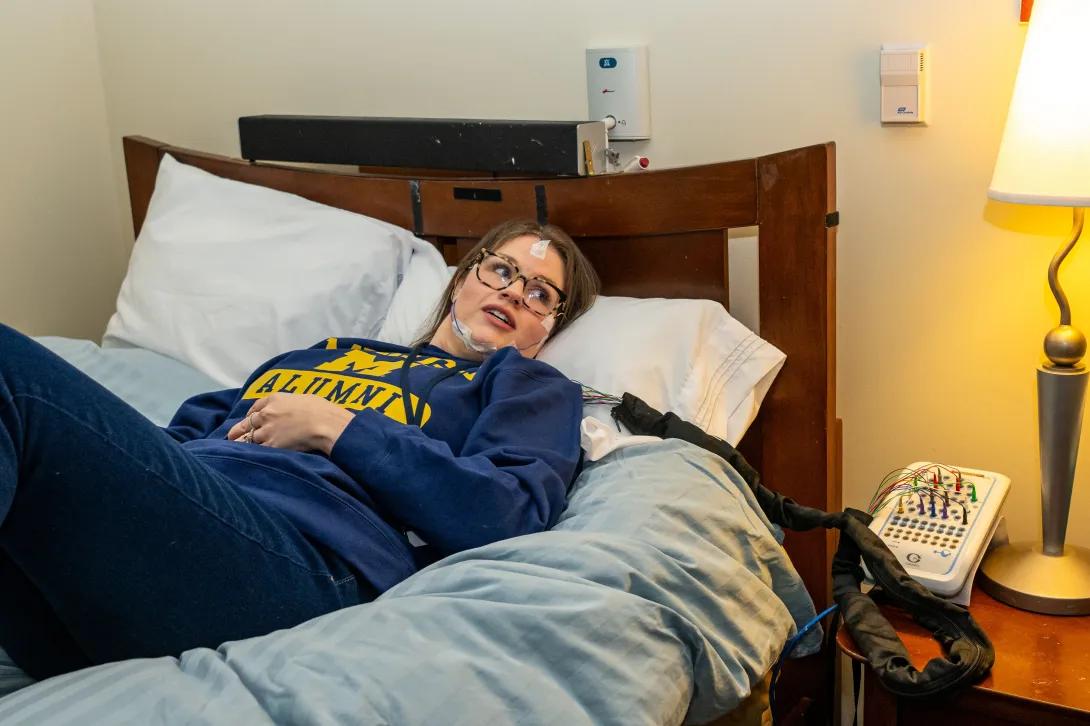
Sleep and Circadian Research Laboratory bedroom ready for polysomnography
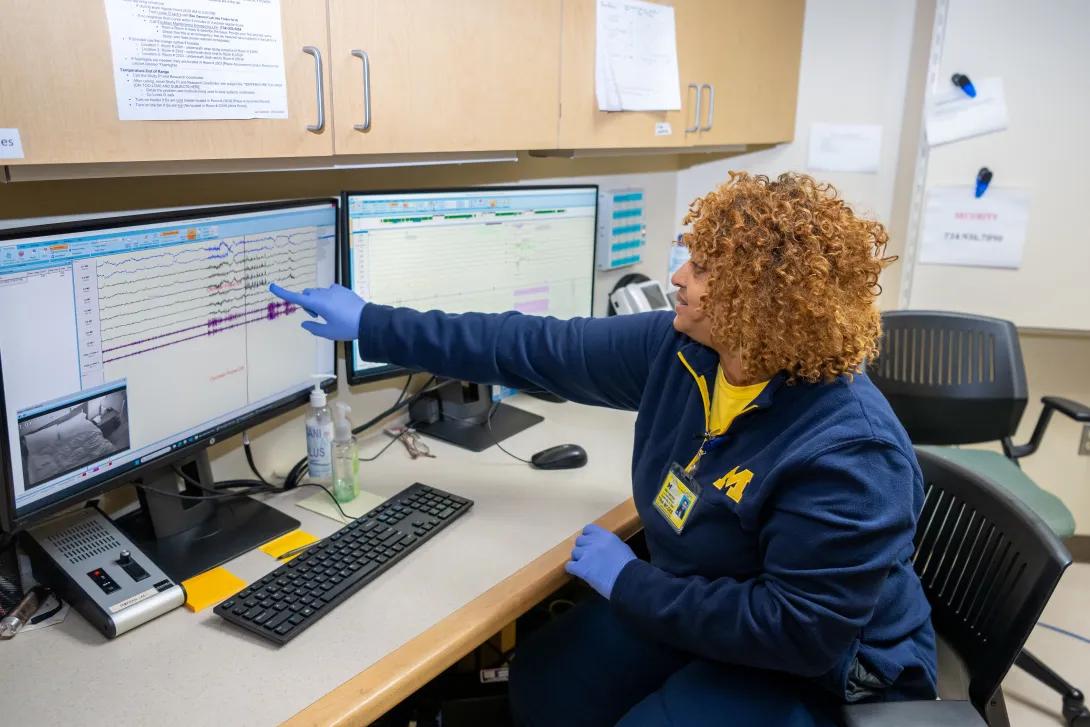
A sleep technician reviews polysomnography recordings
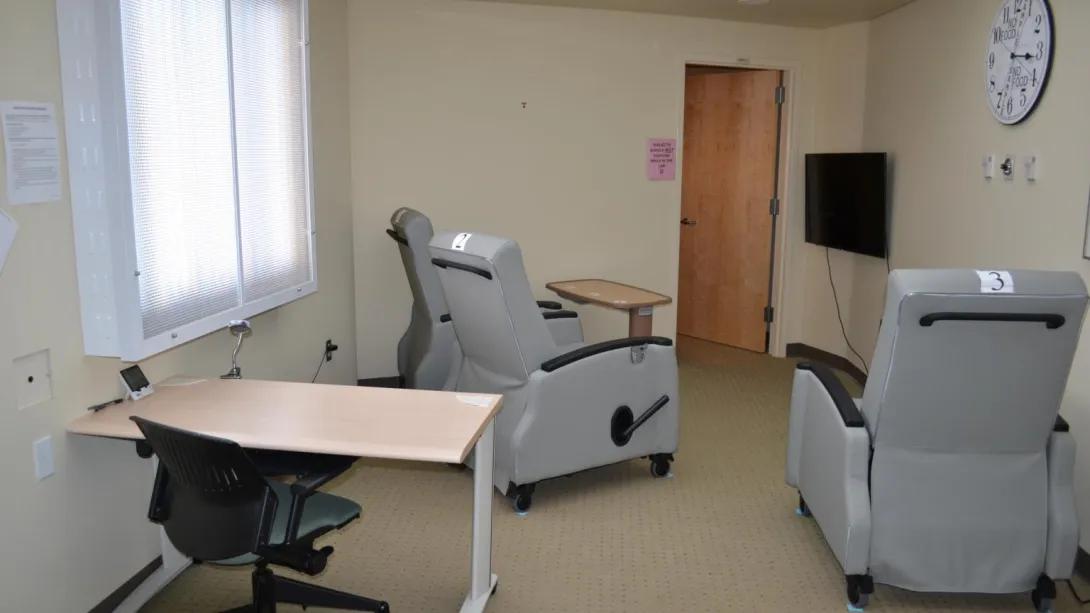
Sleep and Circadian Research Laboratory circadian phase assessment room
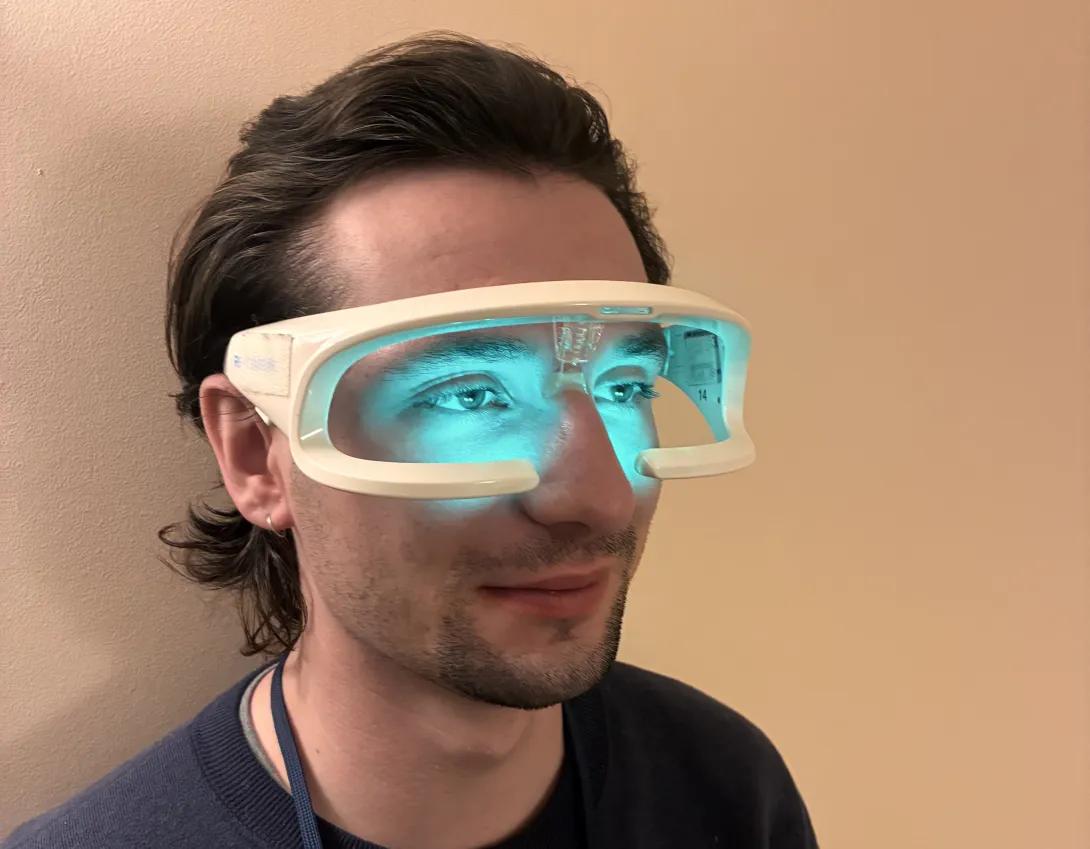
Wearable light therapy glasses used in our research studies
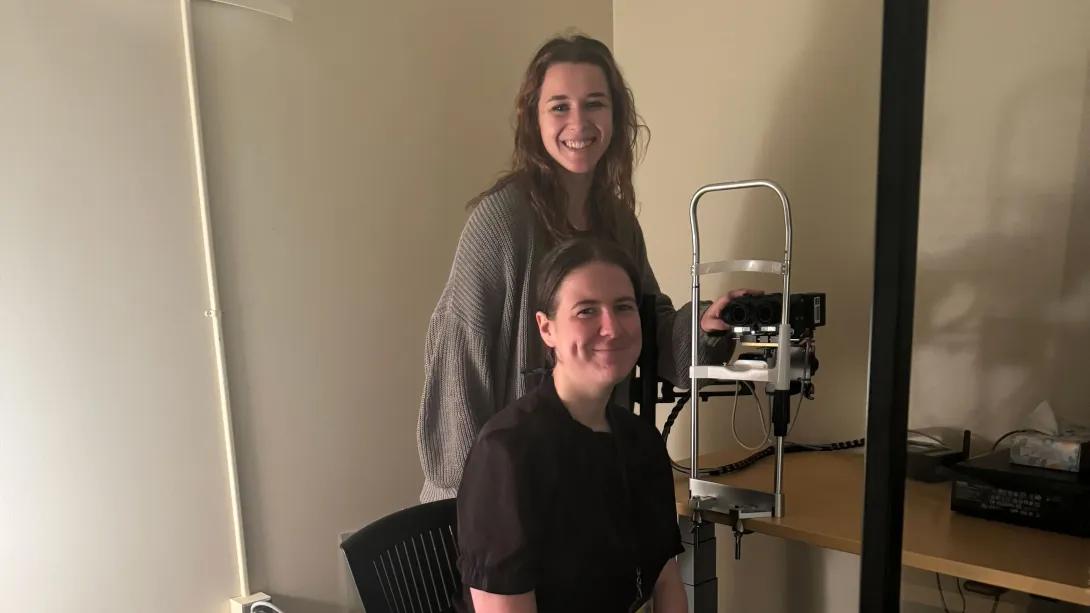
Sleep and Circadian Research Laboratory circadian photoreceptor sensitivity testing
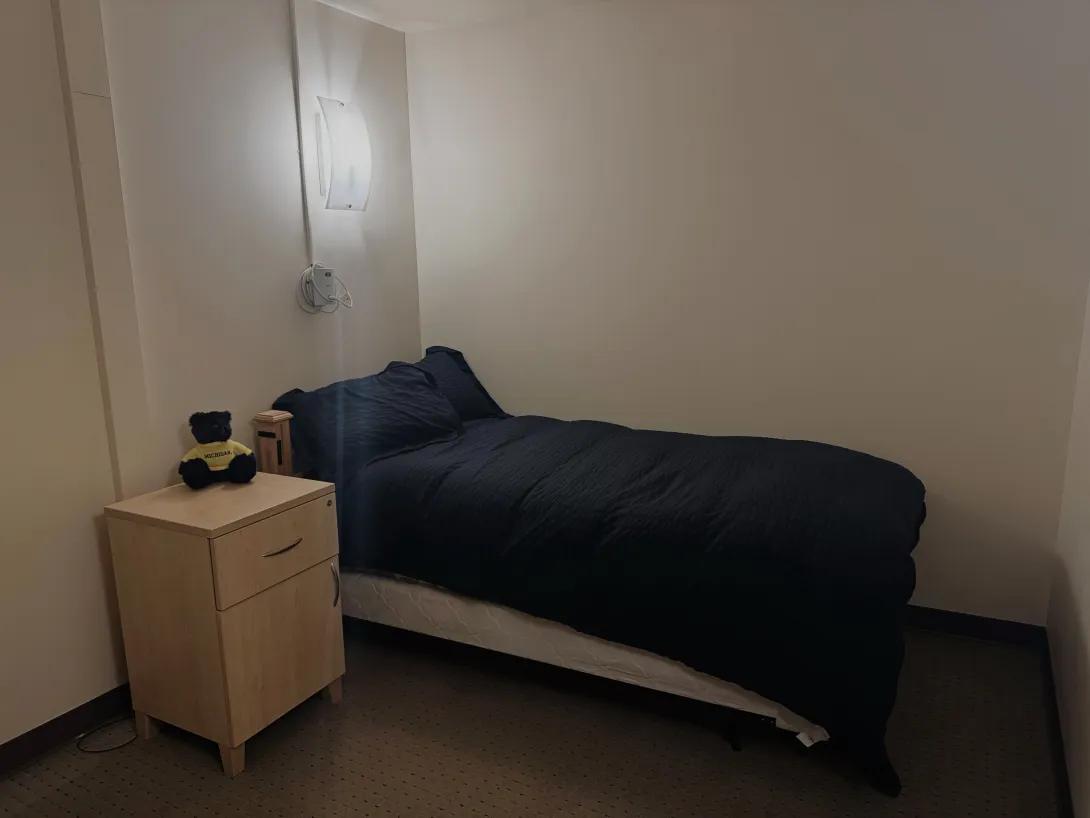
Sleep and Circadian Research Laboratory bedroom
Program Leadership
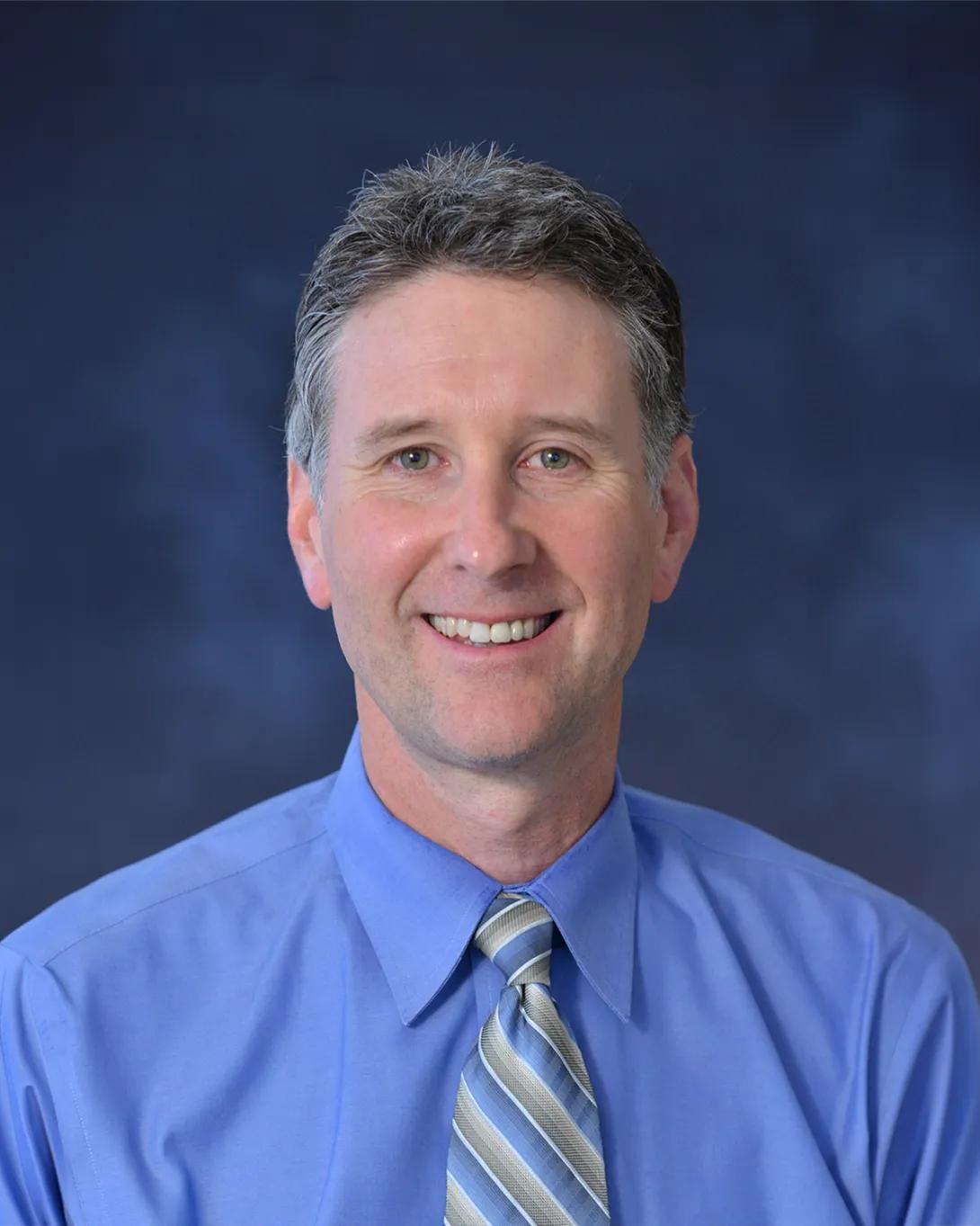
J Todd Arnedt, PhD
Professor of Neurology and Program Director
Psychiatry
Medical School
Helen J Burgess, PhD
Professor of Psychiatry
Medical School
Deirdre A Conroy
Leslie M Swanson, PhD
Medical School
Greta B Raglan, PhD, DBSM
Associate Clinical Director of Sleep
Clinical Advisor to Adult Psychology and Clinical Advisor of the Adult Postdoctoral Program
Psychiatry
Medical School
Tyler Grove
Medical School
Featured News & Stories
Helen Burgess, Ph.D., quoted in BBC story "The sleep habits that help you wake up without an alarm"
The 1 Small Change That Can Reset Your Sleep

Want to Avoid Jet Lag? This Is the Best Time to Fly, Says a Sleep Scientist

The link between sleep and mental health