-
Addiction Center -
Adult Anxiety Disorders -
Child OCD & Anxiety Disorders -
Geriatric Psychiatry -
Mental Health Innovation Services & Outcomes -
Mood Disorders Lab -
Interventional Psychiatry -
Neuropsychology -
Program for Risk Evaluation & Prevention -
Sleep & Circadian Rhythms -
Women & Infants Mental Health -
Youth & Young Adult Depression & Suicide Prevention -
Youth Suicide Prevention Initiative
Mental Health Innovation Services & Outcomes (MHISO)
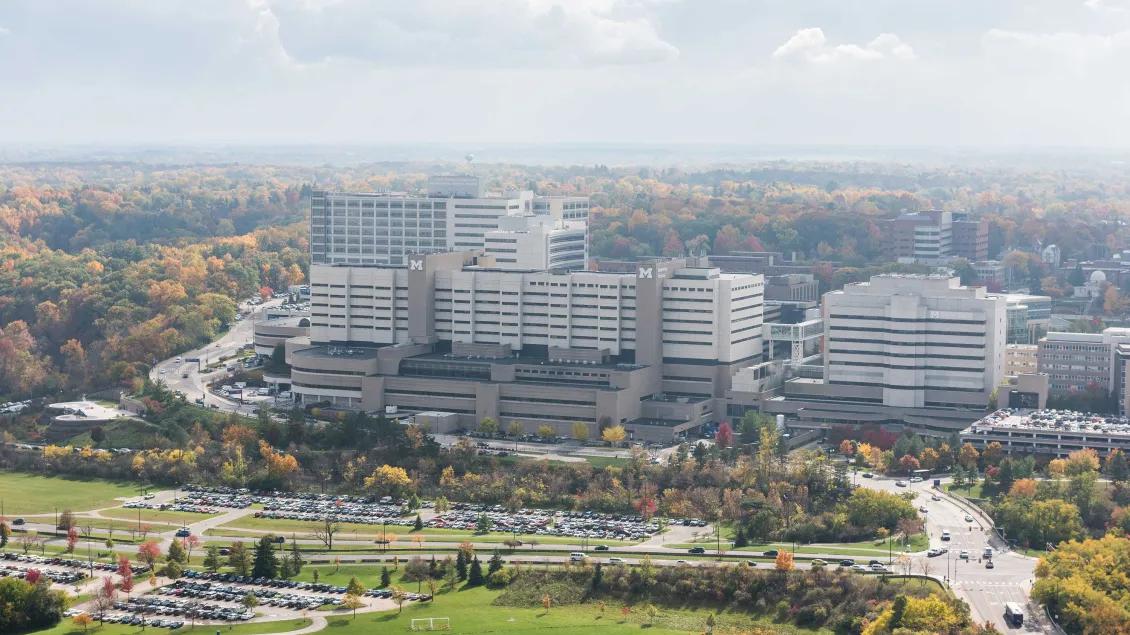
Improving Care & Outcomes
Our team brings together faculty who lead high-impact health services research.
Education
Serious Mental Illness Treatment Resource and Evaluation Center (SMITREC) offers a two-year, prestigious national fellowship, offered in partnership with the U-M Medical School Department of Psychiatry.
Fellows are based within SMITREC and the Mental Health Services, Translation and Outcomes team (MHSOT).
SMITREC Partnership
Faculty also contribute to the Serious Mental Illness Treatment Resource and Evaluation Center (SMITREC). SMITREC conducts population monitoring, program evaluation, performance assessment, and effectiveness studies for the VA’s Office of Mental Health Operations, with the goal of reducing variability in care, evaluating new programs, enhancing care for older Veterans, improving prescribing practices, evaluating outcomes, and supporting suicide prevention.
Research
MHISO collaborates closely with the VA Center for Clinical Management Research (CCMR) in Ann Arbor, and many faculty hold joint appointments. MHISO faculty conduct research on substance use disorders, depression, PTSD, geriatric mental health, integrated care, and suicide. Methods include pharmacoepidemiology, observational studies, policy analysis, randomized clinical trials, patient-reported outcomes, and mobile health.
Key research partners include the Veterans Health Administration, CDC, State HHS, and funding agencies such as NIMH, NIDA, and the Department of Defense. MHISO also partners with the Institute for Healthcare Policy and Innovation and the Injury Center at U-M.
Suicide:
- Predictors and warning signs of suicidal behaviors and suicide mortality
- Development of suicide prevention interventions and studying the effectiveness of interventions clinical trials
- Personalized approaches to suicide prevention
- Testing implementation strategies to increase the reach of evidence-based suicide prevention practices
Posttraumatic Stress Disorder (PTSD):
- Optimizing trauma-focused evidence-based psychotherapies for PTSD
- Developing and testing strategies for addressing PTSD comorbidities
- Improving training for PTSD psychotherapies and increasing access to care for PTSD
Primary and mental health care integration:
- Implementation and evaluation of integrated care in VHA and across Michigan
- Testing the expansion of integrated care practices to address conditions such as PTSD and loneliness
Mood Disorders:
- Perinatal depression
- Depression care quality and outcomes in VHA, including subspecialty services such as ketamine or esketamine for treatment resistant depression
Substance abuse disorders and dual diagnoses:
- Outcome predictors for substance abuse treatment
- Brief interventions for substance use disorders
Primary Research Faculty
- Paul Pfeiffer, MD, MS
- Kara Zivin, PhD
- Rebecca Sripada, PhD
- Courtney Bagge, PhD
- Peter Grau, PhD
- Kevin Saulnier, PhD
- Nicholas Bowersox, PhD, ABPP
- John McCarthy, PhD
Affiliated Faculty:
Support Psychiatry
Your gift will change and save lives and transform the future of mental health care.
Featured News & Stories

What’s the latest on 7-OH and kratom availability and addiction care?

Depression in OBGYN residents needs more attention, study suggests

Youth Suicide Prevention Initiative Fall 2026 Newsletter

Emily Kautz, M.A., nominated for inaugural Michigan Medicine award
Sarah Sperry, Ph.D., featured on ‘Healthy Minds’ to discuss managing bipolar disorder