-
Addiction Center -
Adult Anxiety Disorders -
Child OCD & Anxiety Disorders -
Geriatric Psychiatry -
Mental Health Innovation Services & Outcomes -
Mood Disorders Lab -
Interventional Psychiatry -
Neuropsychology -
Program for Risk Evaluation & Prevention -
Sleep & Circadian Rhythms -
Women & Infants Mental Health -
Youth & Young Adult Depression & Suicide Prevention -
Youth Suicide Prevention Initiative
Adult Anxiety Disorders
Evidence-Based Care
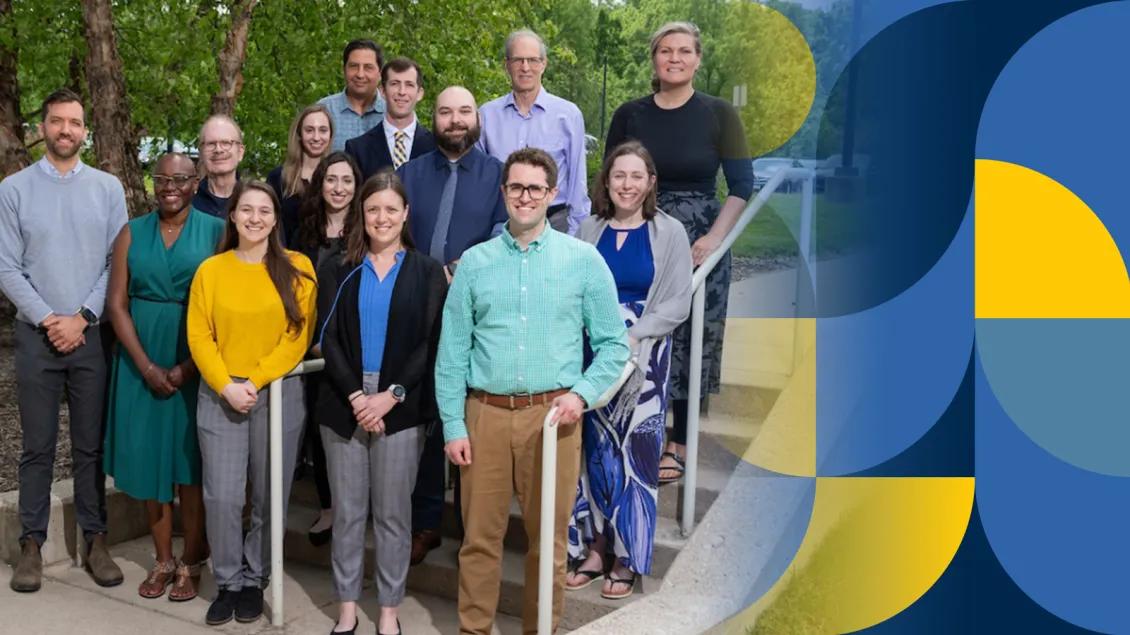
Our multidisciplinary team includes social workers, nurse practitioners, clinical psychologists, and psychiatrists.
Education
An interdisciplinary team of psychiatrists, neuroscientists, psychologists, social workers, nurses, and trainees at all career stages collaborate within the Rachel Upjohn Building, directly above our clinic. This includes undergraduate students getting their first exposure to serious science, graduate students doing their PhD dissertation work, postdoctoral fellows from a variety of disciplines preparing for independent research careers, junior faculty in the early stages of their own program development, and senior faculty who are national and international leaders in trauma and stress research.
This close connection supports continuous exchange between research and patient care, ensuring the latest discoveries inform treatment and providing rich educational opportunities for students, fellows, and junior faculty committed to advancing the field of anxiety and trauma research.
Patient Care
As a specialty clinic, we primarily provide evaluation and consultation services, offering comprehensive assessments and treatment recommendations and helping connect patients to the most appropriate resources, which may be outside of our team. Direct treatment within our clinic is available on a case-by-case basis, depending on clinician availability and whether our skills-focused, time-limited care model is the right fit for your needs.
Research
Research is at the core of our program in the U-M Medical School Department of Psychiatry, with a broad focus encompassing trauma, stress, and anxiety. Our team investigates the psychobiology, genetics, and treatment of anxiety disorders—including PTSD, OCD, social anxiety disorder, panic disorder, and specific phobias—using basic science studies, neuroimaging, and translational research.
Our laboratories examine neural, cognitive, and physiological processes that shape mental health, integrating findings from genetic assays, neuroendocrinology, and real-world community research. We also explore the science of psychotherapy, neuropsychopharmacology, and the long-term effects of stress and trauma across the lifespan.
Support Psychiatry
Your gift will change and save lives and transform the future of mental health care.
Program Leadership
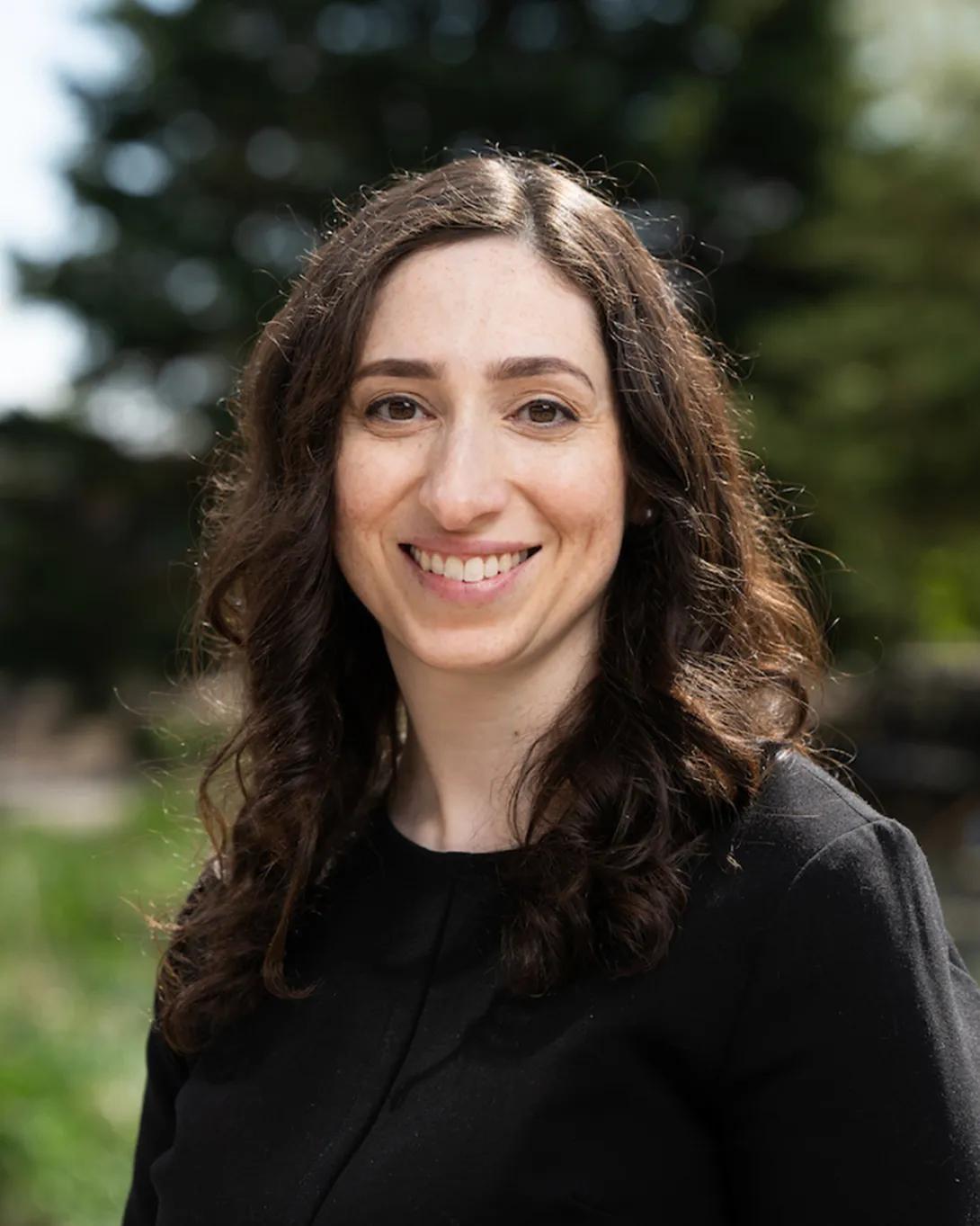
Sarah Bommarito, MD
Medical School
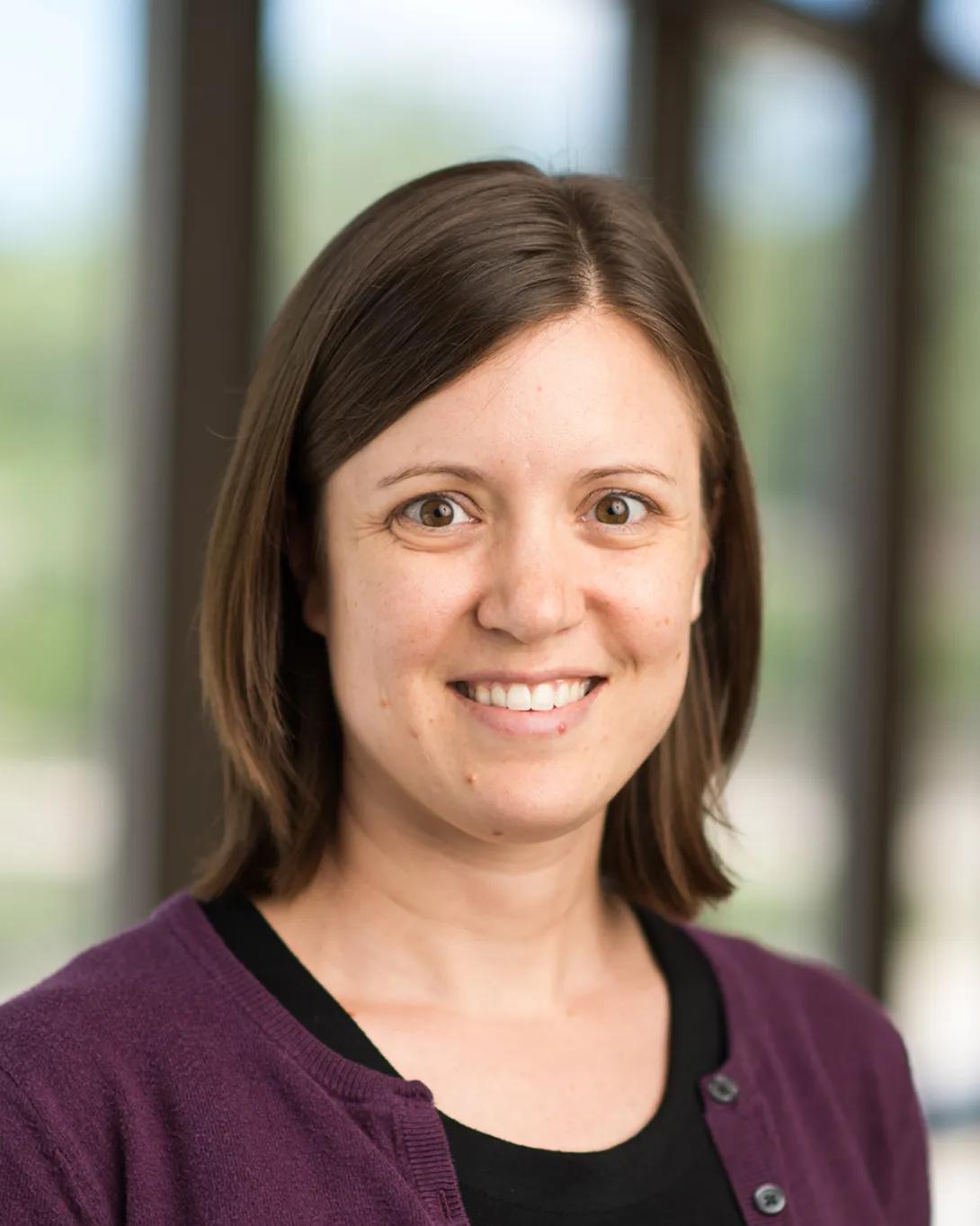
Elizabeth Duval
Physician/Clinical Advisor
Psychiatry
Medical School
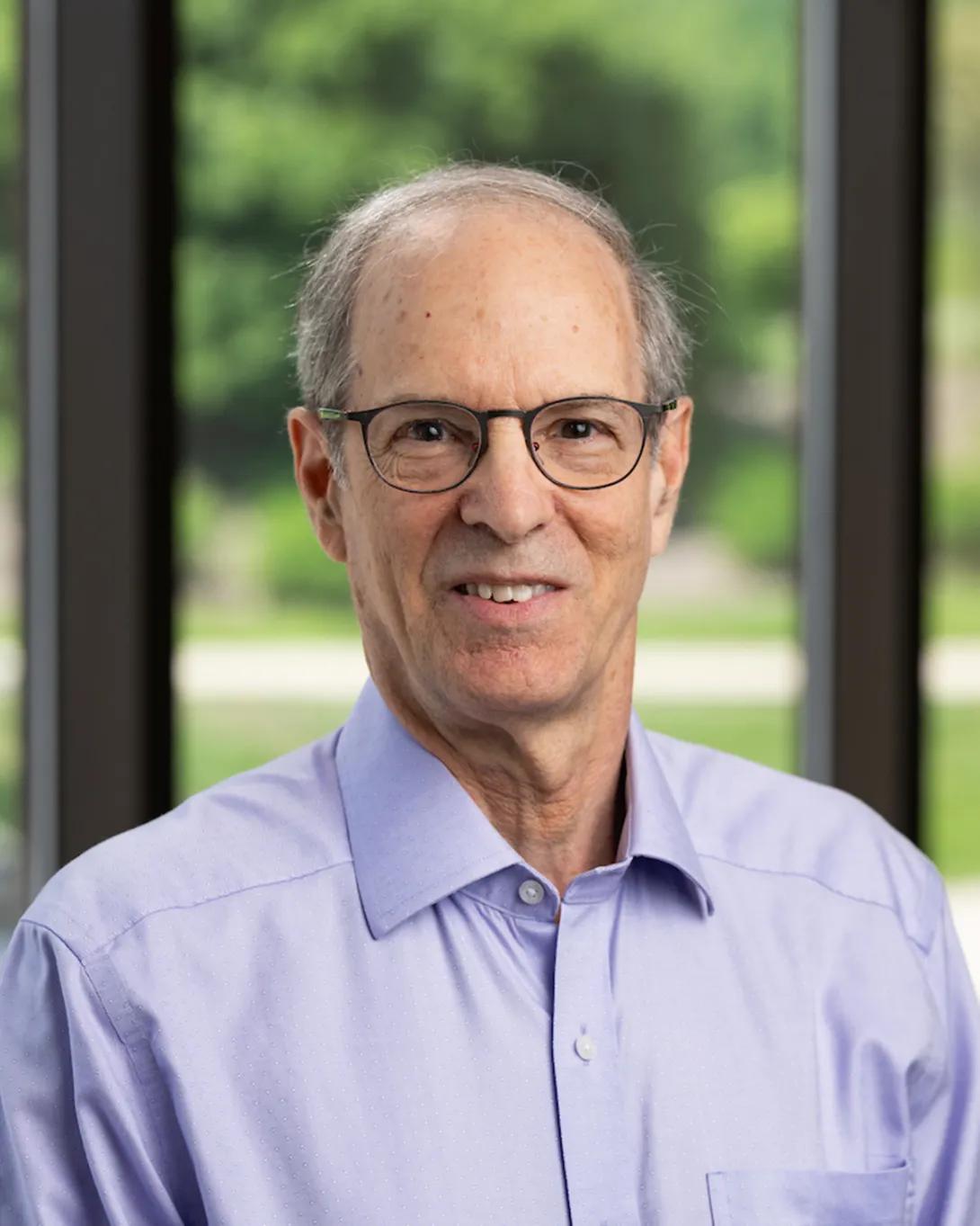
James L Abelson
Medical School
- Michele Brown, LMSW
- David M. Fresco, PhD
- Tyler Grove, PhD
- Adam Horwitz, PhD
- Rhoda Jones, NP
- Stefanie Russman Block, PhD
- Hans Schroder, PhD
- JoAnne Shipman, LMSW
- Michelangelo Trujillo, PhD, LMSW
- Ricks Warren, PhD
Featured News & Stories

What’s the latest on 7-OH and kratom availability and addiction care?

Depression in OBGYN residents needs more attention, study suggests

Youth Suicide Prevention Initiative Fall 2026 Newsletter

Emily Kautz, M.A., nominated for inaugural Michigan Medicine award

Sarah Sperry, Ph.D., featured on ‘Healthy Minds’ to discuss managing bipolar disorder