
Clinical Neuropsychology Training Program
The U-M Medical School Department of Psychiatry Clinical Neuropsychology specialization offers advanced training in brain-behavior relationships for individuals with central nervous system disorders. This program fully prepares postdoctoral fellows for board certification in Clinical Neuropsychology (ABCN/ABPP), equipping them for leadership, teaching and research roles in the field.
The Program currently includes 13 faculty members (6 Board Certified in Clinical Neuropsychology), 12 masters level psychologists/psychometrists, and 6 postdoctoral residents.
The program aims to provide comprehensive clinical neuropsychology training in a multidisciplinary clinical experience, including:
- Patient Care Across the Lifespan: Fellows train with both adult and pediatric populations, ensuring well-rounded experience from childhood through late adulthood.
- Fellows gain expertise in comprehensive neuropsychological assessment, diagnosis, and consultation for a wide spectrum of CNS disorders.
For More Information
How to Apply
Learn more about our application process and requirements, and submit an application for our APPIC Psychology Postdoctoral.
Educational & Didactic Opportunities
Core Didactics & Enrichment
Fellows benefit from a variety of required and optional learning experiences:
- Weekly Didactic & Journal Club
- Michigan Alzheimer’s Disease Center Clinical-Pathological Conference (6x/year)
- Weekly Grand Rounds in Psychiatry and Neurology
- Professional Development Seminars
- Bioethics Conferences
- Optional Training: Neuroanatomy coursework, cross-cultural seminars, neuropathology, neuroradiological, and consensus conferences, and a broad variety of department-specific seminars
Supervision & Teaching Skills
Fellows have opportunities to supervise pre-doctoral trainees and undergraduate students or assist faculty in teaching, further developing their mentorship and leadership abilities.
Clinical Training by Track
Clinical training experiences comprise at least 50% of the resident’s time.
- Outpatient Neuropsychology Clinic: Service for a broad spectrum of adult and geriatric cognitive, emotional, and behavioral conditions.
- Specialty Clinics: Cognitive Disorders (i.e., Geriatric Neurology), Epilepsy (including pre/post-surgical evaluations), Movement Disorders, and Geriatric Psychiatry.
- Interdisciplinary Care: Integrated assessment and consultation within multiple medical specialty teams.
- Polytrauma/TBI Clinics: Cognitive and emotional assessment and rehabilitation for veterans with head injuries or PTSD.
- Geriatric Medicine Clinic & Community Living Center: Integrated cognitive screening, assessment, and intervention with rehab planning and primary care teams.
- Additional Opportunities: Substance use clinics, general neuropsychology evaluations, and research on cognitive interventions and brain stimulation.
- General Pediatric Neuropsychology Clinic: Assessment and consultation for children and adolescents with neurological, medical and developmental conditions including epilepsy, congenital heart disorders, autism, and cancer survivorship.
- Key Rotations:
- Autism Spectrum Disorder Clinic
- Multidisciplinary Developmental Evaluation Clinic
- Pediatric Epilepsy Clinic
- Pediatric Hematology/Oncology Clinic
- General Neurology Clinic
- Team-Based Care: Multidisciplinary approach involving neuropsychology, medical specialists, speech/language and social work.
Core Program Sites
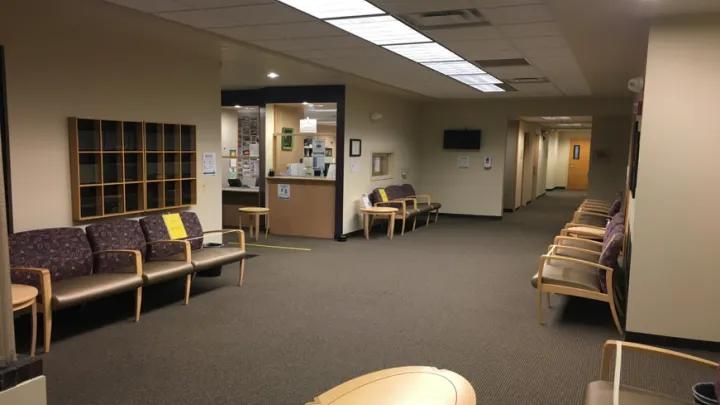
U-M Med School Neuropsychology Program
- Led by Dr. Carol Persad, this program features collaboration with Psychiatry, Neurology, Pediatrics, and more.
- Fellows participate in the evaluation of 3,000+ patients annually, including dementia, epilepsy, neurodevelopmental disorders, brain injuries, and learning disabilities.
- Facilities include advanced testing labs, simulation areas, conference rooms, and individual offices for trainees.
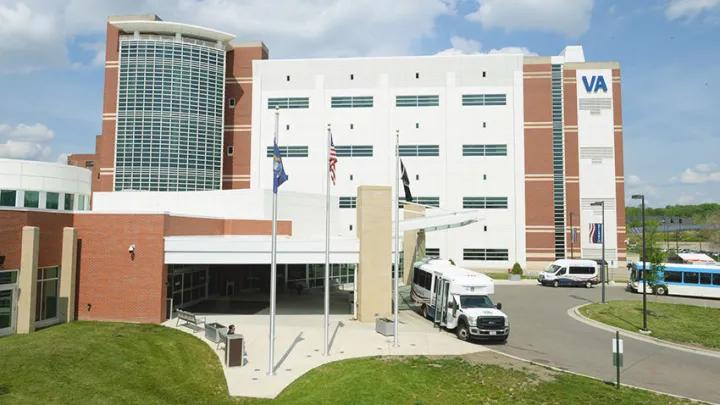
VA Ann Arbor Healthcare System Neuropsychology Section
- Fellows provide neuropsychological services for Veterans in inpatient, outpatient and rehabilitation settings.
- Clinical experiences focus on cognitive and personality changes due to medical, neurological and psychiatric conditions.
- Modern facilities with full access to Michigan Medicine and VA information systems and resources.
Research Opportunities
We hope to recruit 3 adult / geriatric - focused fellows for the 2027-2029 cohort. Potential research areas and mentors include:
- Normal aging, Mild Cognitive Impairment, and neurodegenerative diseases in collaboration with the Michigan Alzheimer’s Disease Center (Potential Mentors: Amanda Maher, PhD; Kyler Mulhauser, PhD)
- “Superagers” and the impact of cognitive reserve on aging (Amanda Maher, PhD)
- Substance abuse in aging with particular emphasis on the impact of cannabis use in older adults (Kyler Mulhauser, PhD)
- Longitudinal effects of bipolar disorder, including neuropsychological findings, clinical course, personality features, substance use, medical comorbidities, biomarkers, and ecological momentary assessment (Primary Mentor: Dr. Kelly Ryan)
- Evaluation of New2Neuropsychology (“N2N”, an equity-focused workforce development organization), including analysis of participant surveys, student outcomes, and social media/web engagement (Primary Mentor: Taylor Schmitt, PhD)
- Scholarly reviews and surveys of professional issues related to allyship, advocacy, and/or training/education in neuropsychology (Primary Mentor: Taylor Schmitt, PhD)
- Federally funded research: cognitive rehabilitation, neuromodulation, and neuroimaging in aging and traumatic brain injury.
- Generalist research: measurement theory, performance validity, and sleep studies.
We hope to recruit one pediatric focused fellow for the 2027-2029 cohort. Primary mentor will be Dr. Kaitlin McCloskey and primary research focus will include
- Neurocognitive late effects and risk factors in pediatric oncology
- Optimizing cognitive assessment practices in pediatric cancer
- Bridging communication between hospitals and schools for children with chronic health conditions
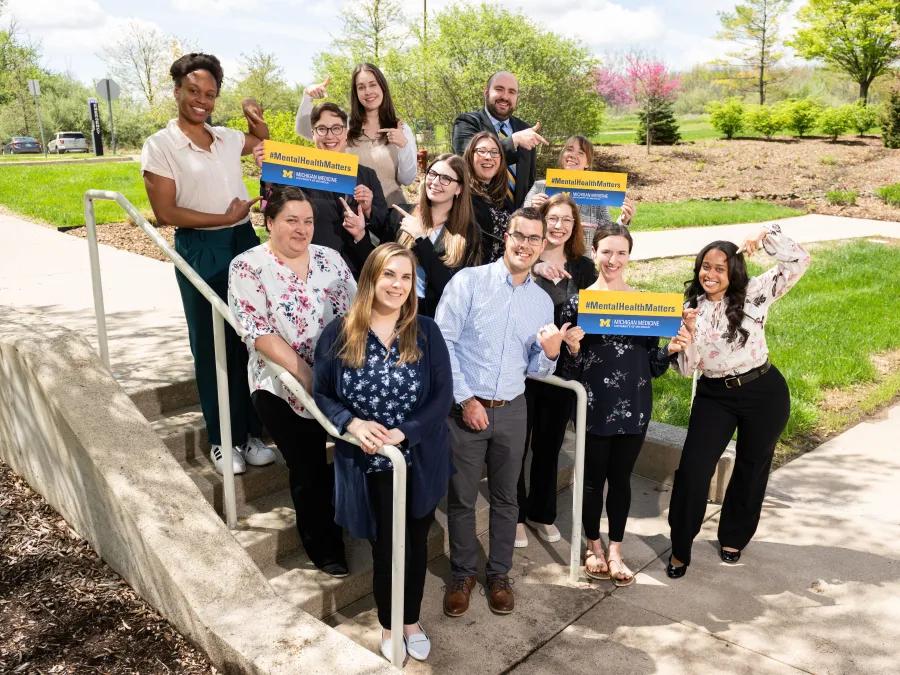
Current Fellows
Meet our current trainees in Psychiatry. Postdoctoral Fellows experience a rich training environment, featuring seminars, invited lectures, and opportunities to engage with faculty across disciplines.
Our Community
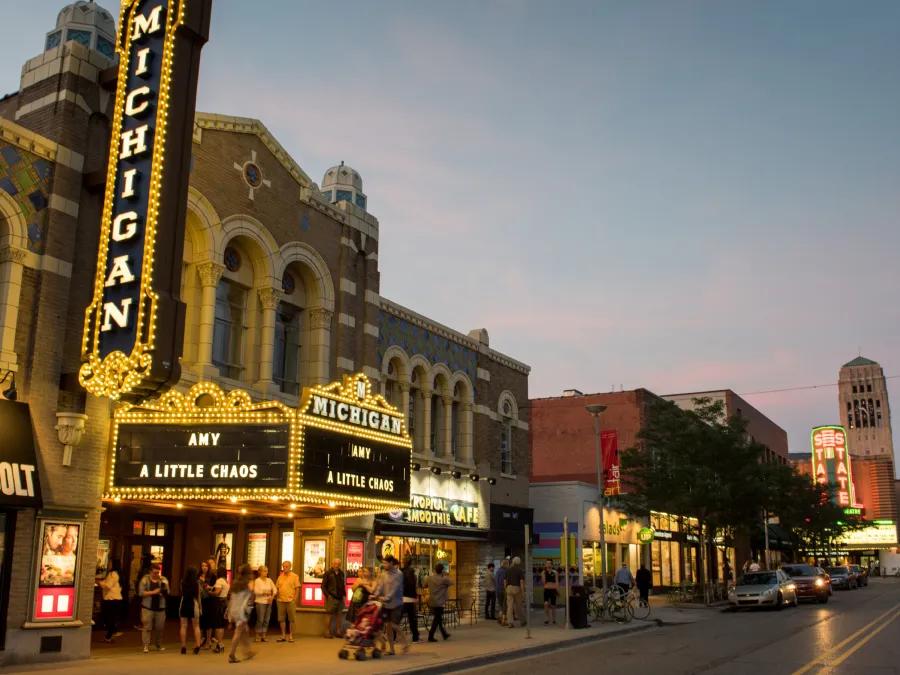
Feel at home in Michigan. Explore what it’s like to live, learn and grow in Ann Arbor among a diverse and supportive network of leaders in psychiatry and mental health.
Accreditation
Learn more about our accreditation by the American Psychological Association Commission on Accreditation.
