-
Addiction Center -
Adult Anxiety Disorders -
Child OCD & Anxiety Disorders -
Geriatric Psychiatry -
Mental Health Innovation Services & Outcomes -
Mood Disorders Lab -
Interventional Psychiatry -
Neuropsychology -
Program for Risk Evaluation & Prevention -
Sleep & Circadian Rhythms -
Women & Infants Mental Health -
Youth & Young Adult Depression & Suicide Prevention -
Youth Suicide Prevention Initiative
Neuropsychology
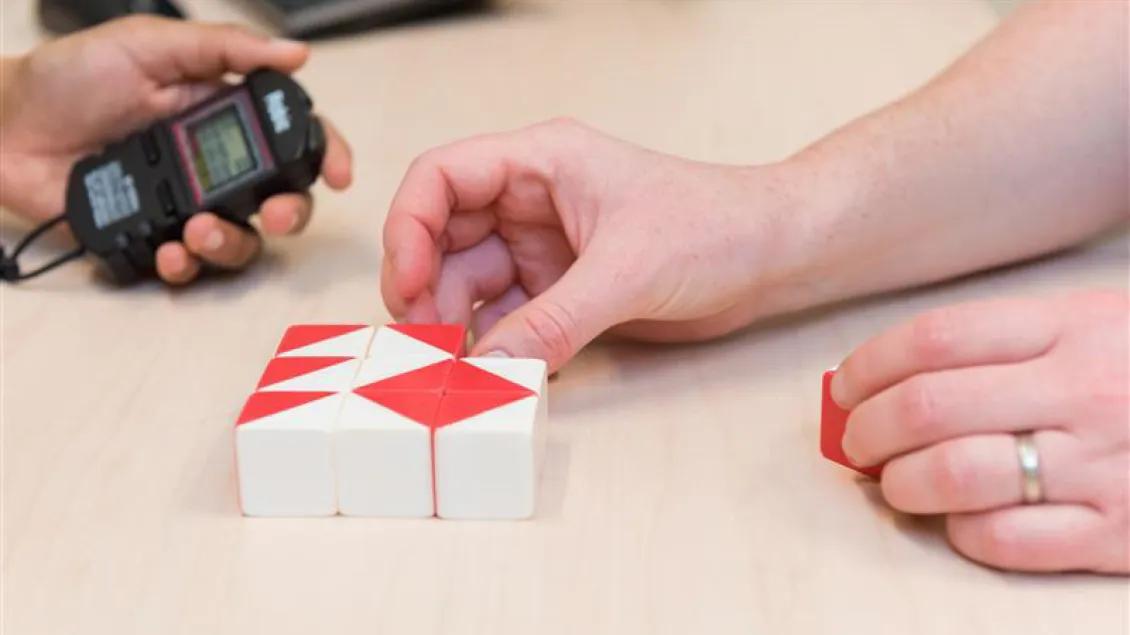
A Rich Tradition of Excellence
We assess cognitive, behavioral, and emotional functioning across the lifespan.
Program Overview
Our expert faculty and staff bring diverse expertise in developmental, medical, neurological, and psychiatric disorders affecting children, adolescents, adults, and older adults.
Our program is built on four guiding principles:
Clinical Excellence: Delivering high-quality, patient-centered care tailored to the unique needs of each individual.
Innovative Research: Advancing knowledge of brain–behavior relationships to improve diagnosis, treatment, and outcomes.
Education & Training: Preparing the next generation of neuropsychologists to be leaders in clinical practice, research, ethics, and professionalism.
Commitment to Belonging, Access, Safety & Quality, Experience, and Strategic Growth & Partnerships: Promoting access, cultural humility, and representation across all aspects of our work.
We collaborate closely with colleagues across Michigan Medicine—including Psychiatry, Neurology, Pediatrics, Radiology, Anesthesiology, Surgery, Physical Medicine & Rehabilitation, Internal Medicine, Nursing, Public Health, Engineering, and the Institute for Social Research—creating a uniquely interdisciplinary environment.
Education
We are deeply committed to training the next generation of leaders in neuropsychology. Our program offers opportunities across all stages of professional development, including Adult & Pediatric Postdoctoral Fellowships that meet Houston Conference guidelines and prepare fellows for ABPP/ABCN board certification
Trainees benefit from:
A rich clinical population with diverse presentations across the lifespan
Exposure to cutting-edge interdisciplinary research
Mentorship by board-certified faculty with broad expertise
A culture that emphasizes ethics, professionalism, and belonging
Patient Care
Our neuropsychology program provides comprehensive assessment and consultation services for individuals across the lifespan.
We work with patients, families, and healthcare teams to support accurate diagnosis, guide treatment planning, and improve quality of life.
Research
The Neuropsychology Program is nationally recognized for its vibrant research portfolio, spanning clinical and basic science. Our faculty have successfully secured substantial federal funding, including grants from the National Institutes of Health (NIH), the National Institute on Aging (NIA), and the Department of Veterans Affairs, among others.
Research Areas & Approach
We investigate a diverse range of patient populations across the lifespan, with research efforts focused on:
Clarifying cognitive profiles for more accurate diagnosis
Exploring the neuroanatomical foundations of cognitive and behavioral outcomes
Examining how cognitive functioning impacts treatment effectiveness and overall quality of life
Our research is inherently interdisciplinary. Neuropsychologists often collaborate with colleagues from Neurology, Internal Medicine, Radiology, Surgery, Pediatrics, Nursing, Psychology, Engineering, and other departments. We play an integral role not only in generating our own innovative research programs but also in supporting research-based evaluations throughout Michigan Medicine, the broader University, external academic partners, and industry collaborations.
Innovative Tools & Technology
Many of our faculty are at the forefront of adopting and implementing leading-edge research methodologies. Our work incorporates advanced neuroimaging and assessment technologies, including: Electroencephalogram (EEG), Positron Emission Tomography (PET), Magnetic Resonance Imaging (MRI and fMRI), Functional Near-Infrared Spectroscopy (fNIRS), Machine learning and artificial intelligence applications, Transcranial Direct Current Stimulation (tDCS), AI technology.
By combining expertise in neuropsychology, advanced technologies, and collaborative science, we are dedicated to furthering the understanding of brain-behavior relationships and improving patient care.
Research Themes
Exploring how various medical conditions and treatments affect cognitive functioning in adults. Areas of study include:
Bone Marrow Transplant (BMT): Impact of BMT and its treatments on cognition.
Bariatric Surgery: Cognitive changes before and after bariatric procedures.
Epilepsy: Neuropsychological outcomes in adults living with epilepsy.
Chronic Fatigue & Pain: Cognitive profiles in chronic pain and fatigue syndromes.
Researching the neuropsychological effects of aging and neurodegenerative diseases, as well as interventions and patient safety. Topics include:
Early identification of dementia in older adults: Use of complex IADLS such as driving to develop a biomarker to identify older adults at risk of cognitive decline.
Biomarker Disclosure in Aging: Understanding the effects of biomarker information on patients.
Movement Disorders: Cognitive changes in Parkinson’s disease and related conditions.
Substance Use in Dementia: Substance use patterns and their impact in dementia populations.
Innovative Approaches: Ongoing aging studies
Investigating how psychiatric conditions—or their treatment—impact cognitive functioning. Projects include:
Major Depression: Cognitive profiles of patients with depression and the impact on caregivers.
Bipolar Disorder: Using digital technology (such as smart watches and smartphones) to identify early signs of mania and track functioning (Prechter-Bipolar Project).
Electroconvulsive Therapy: Pre- and post-ECT cognitive outcomes (PREP).
Examining the cognitive and behavioral effects of chronic medical conditions and treatments in children and adolescents. Includes research on:
Epilepsy, Congenital Heart Disease, Oncology, and Hematology: Neuropsychological sequelae, screening methods, and recovery trajectories.
Multidisciplinary Collaborations: Extensive partnerships with pediatric specialties, including participation in clinical trials and national data repositories.
Focusing on children and adolescents with ADHD, learning disorders, autism, and other neurodevelopmental conditions. Research highlights:
Driving Interventions for Teens with Autism
School Outcomes Amid COVID-19
Profiling ADHD and Learning Disorders
Developing and evaluating interventions to enhance cognitive functioning or compensate for deficits across the lifespan. Example projects:
Cognitive Compensatory Training: Trials of targeted cognitive training and compensatory strategies for individuals with neurological or medical conditions.
Executive Function in Pediatrics: Strategies to support executive function in children
Conducting studies in diverse populations to better understand cultural factors in brain-behavior relationships. Recent projects include:
International Research Initiatives: Cross-cultural collaboration and data collection in African countries, expanding the reach and impact of neuropsychological science.
Opportunities for Collaboration
The Neuropsychology Program maintains a strong culture of collaboration—within Michigan Medicine and throughout the University of Michigan. We actively partner with faculty in neurology, psychiatry, internal medicine, radiology, surgery, pediatrics, nursing, psychology, engineering, and global health, as well as with investigators at other institutions and industry partners.
If you or your team are interested in collaborating on research or contributing to ongoing projects, please contact us at (734) 764-0231—we welcome new ideas and interdisciplinary teamwork.
Support Psychiatry
Your gift will change and save lives and transform the future of mental health care.
Program Leadership

Carol C Persad, PhD, ABPP
Program Director, Psychiatry, Medical School
Director, University Center for the Language and Literacy
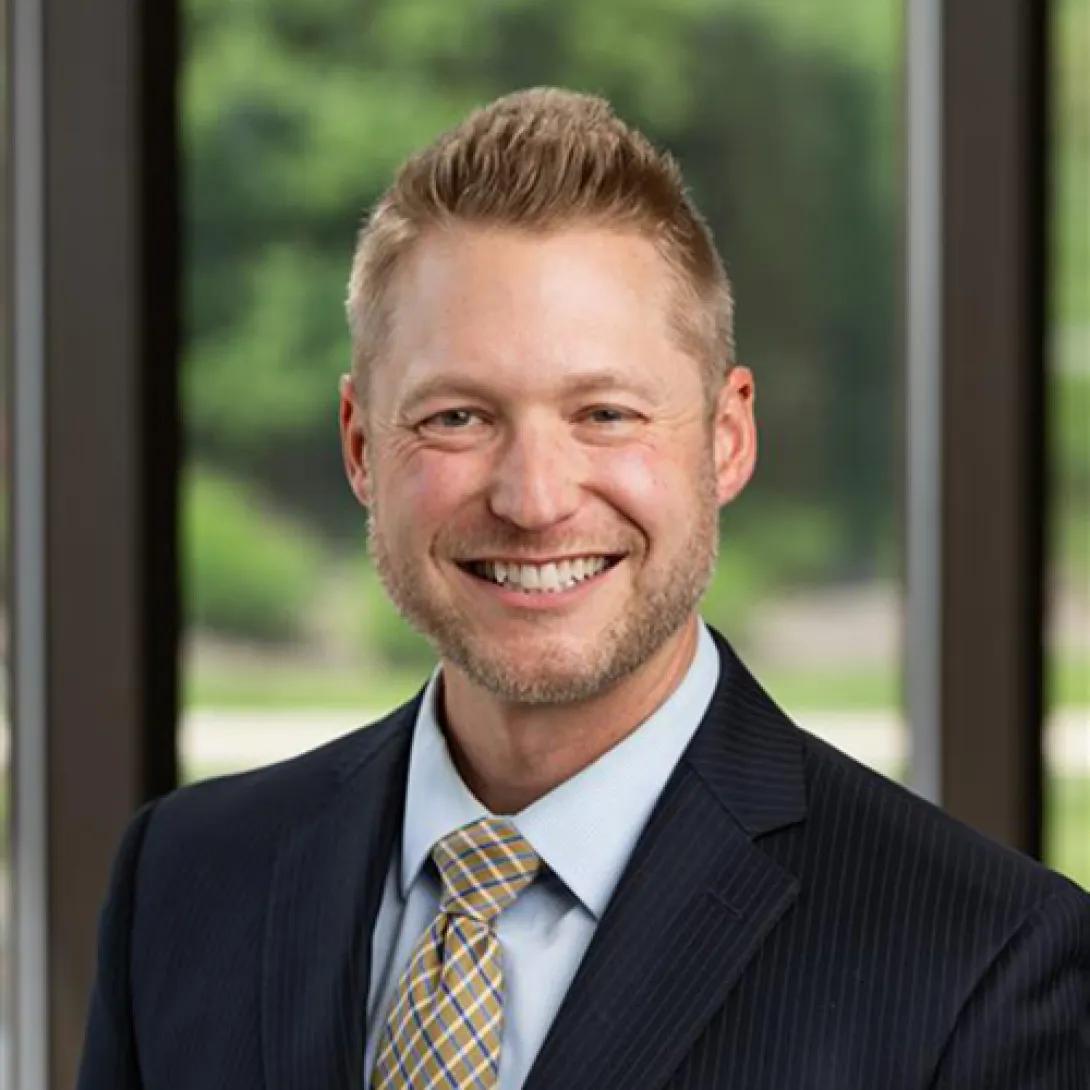
David F Marshall, PhD, ABPP-CN
Associate Medical/Clinical Director, Psychiatry
Medical School
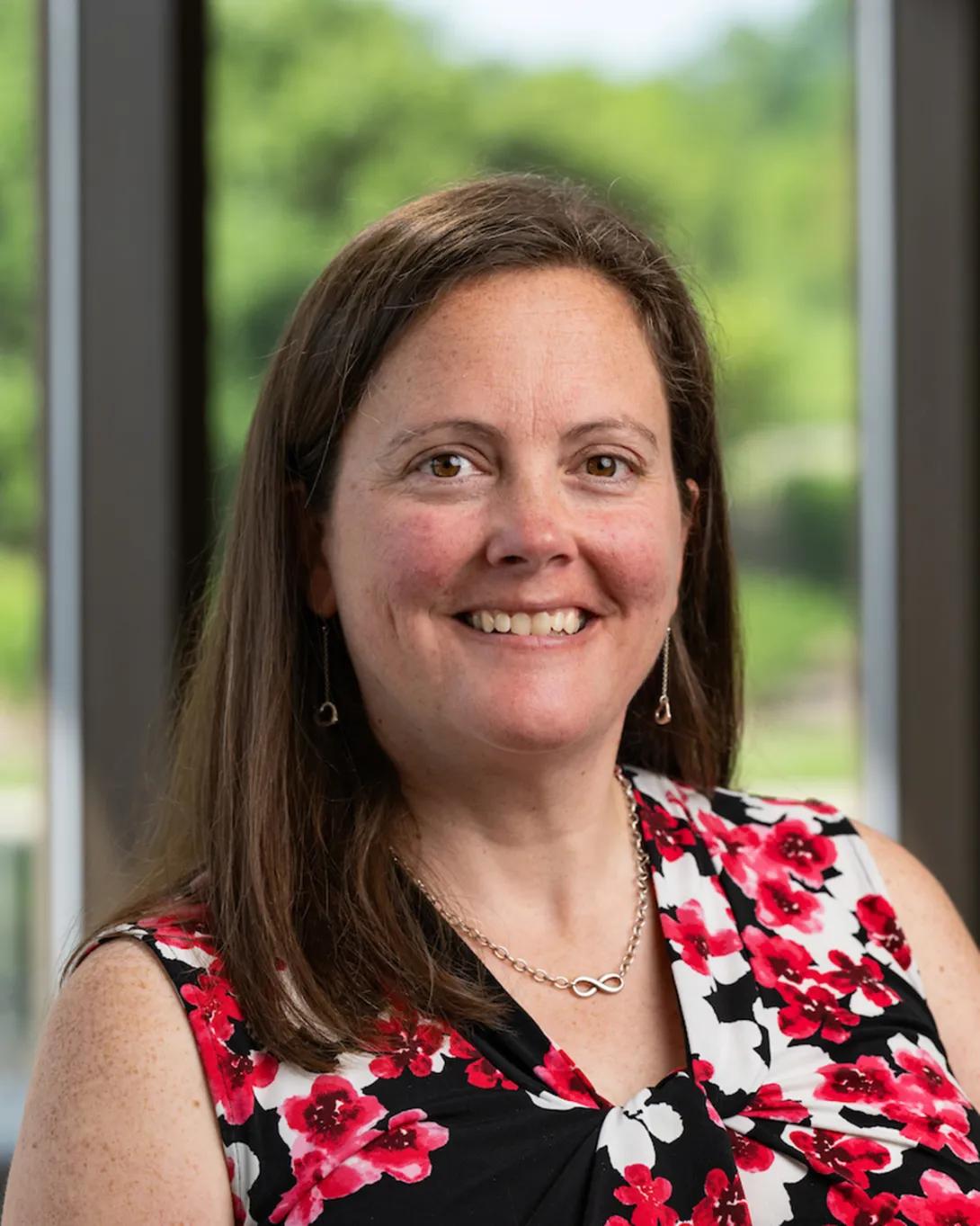
Kristen Loeher Votruba, PhD, ABPP-CN
Program Assistant, Neuropsychology Training Program, Psychiatry, Medical School
Adjunct Professor of Psychology, College of Literature, Science, and the Arts
Featured News & Stories

What’s the latest on 7-OH and kratom availability and addiction care?

Depression in OBGYN residents needs more attention, study suggests

Youth Suicide Prevention Initiative Fall 2026 Newsletter

Emily Kautz, M.A., nominated for inaugural Michigan Medicine award

Sarah Sperry, Ph.D., featured on ‘Healthy Minds’ to discuss managing bipolar disorder