
-
Addiction Center -
Adult Anxiety Disorders -
Child OCD & Anxiety Disorders -
Geriatric Psychiatry -
Mental Health Innovation Services & Outcomes -
Mood Disorders Lab -
Interventional Psychiatry -
Neuropsychology -
Program for Risk Evaluation & Prevention -
Sleep & Circadian Rhythms -
Women & Infants Mental Health -
Youth & Young Adult Depression & Suicide Prevention -
Youth Suicide Prevention Initiative
Youth & Young Adult Depression & Suicide Prevention (YDSP)

Prevention & Support
We focus on improving screening, risk assessment, and intervention strategies.
Youth-Nominated Support Team Intervention (YST)
The Youth-Nominated Support Team Intervention (YST) at the U-M Medical School Department of Psychiatry is a support program for teens discharged after a suicide attempt, matching them with support adults from their own networks.
Adults receive resources and guidance to promote treatment adherence and healthy outcomes. Current projects include development of an electronic YST (eYST) platform.
Support the Youth Support Team for Suicide Prevention (YST) Program
YST allows teens to choose their own care team to help keep them mentally well. Your gift will enable us to learn more about how this intervention is helping suicidal teens and saving lives.
Current Research Projects & Initiatives
- Youth-Nominated Support Team (YST): Led by Dr. Alejandra Arango, YST is an evidence-based adjunctive intervention for young people with elevated suicide risk.
- Developing an Adaptive Intervention for Suicidal Adolescents Following Inpatient Hospitalization: Led by Dr. Ewa Czyz, this project pilots a technology-augmented, adaptive intervention to reduce suicide risk after teens are discharged from inpatient care.
- Low-burden Adaptive Mobile Interventions for Mood & Suicide Risk: Led by Dr. Adam Horowitz, this project develops adaptive, personalized digital interventions for college students to recognize early signs of mental health decline and provide timely resources.
- Papageno Project: This AFSP-funded pilot quasi-experimental study involved filming and testing interviews of young adults with hopeful stories of overcoming suicide crisis. A first publication titled "A 'Papageno' Story Interview Suicide Prevention Intervention for Young Adults With Past-Month Suicidal Ideation: Uncontrolled Single-Group Pilot Study of Feedback and Acceptability" by Jane Harness, Kamara Gardner, Jessica Schleider and Cheryl King was recently published in JMIR Formative Research.
- Project HOPE, Virtual Hope Box Enhanced Intervention for High-Risk Suicidal Veterans Following Inpatient Care: Dr. Courtney Bagge and collaborators lead a VA-funded study to evaluate a brief, personalized, technology-based intervention to reduce suicide risk after Veterans are discharged from inpatient care.
- Promoting Resilience and Outreach through Multi-tiered Interventions & Supportive Environments (PROMISE): Led by Dr. Polly Gipson, PROMISE implements trauma-informed, multi-level interventions in urban schools to support adolescents exposed to trauma and promote resilience.
- Store Safely: This CDC-funded R01 led by Dr. Ewell Foster uses a hybrid 2 effectiveness-implementation design to test a culturally tailored firearm secure storage intervention with rural community partners.
National Institute of Mental Health (NIMH) Funded Projects
Our team has a number of projects funded by the National Institute of Mental Health, including:
- 24-Hour Warning Signs for Adolescent Suicide Attempts: This NIMH-funded study recruits at-risk youth to identify near-term warning signs for suicide attempts by comparing behaviors, emotions, and risk factors during a 24-hour period.
- SOS, Detecting Signs of Suicide Risk within Patients: Dr. Courtney Bagge and collaborators lead a NIMH-funded study to determine warning signs for suicide within patient narratives to inform risk detection and personalized intervention.
- Text-Based Support for Parents of Suicidal Adolescents (TESP): This NIMH-funded effectiveness-implementation trial led by Dr. Czyz evaluates a caregiver-facing texting intervention for youth at elevated suicide risk.
- WeCARE, A System of Care for Black Youth at Risk for Suicide: Dr. Cheryl King and collaborators lead a NIMH-funded project to study an emergency-services-based system of care for Black youth at risk for suicide.
- YST Detroit: This NIMH-funded R34 led by Dr. Ewell Foster integrates the Youth Nominated Support Team with CBT for Suicide Prevention for Black youth served in Detroit’s public mental health system.
Affiliated Labs
- Advancement of Suicide Prevention Intervention and Risk Evaluation (ASPIRE) Lab
- Mobile Health and Adaptive Interventions Lab (mHail) Lab
- Suicide Prevention Research in the Community Lab (SPRCL)
- Suicide Prevention, Treatment, & Research (STaR) Lab
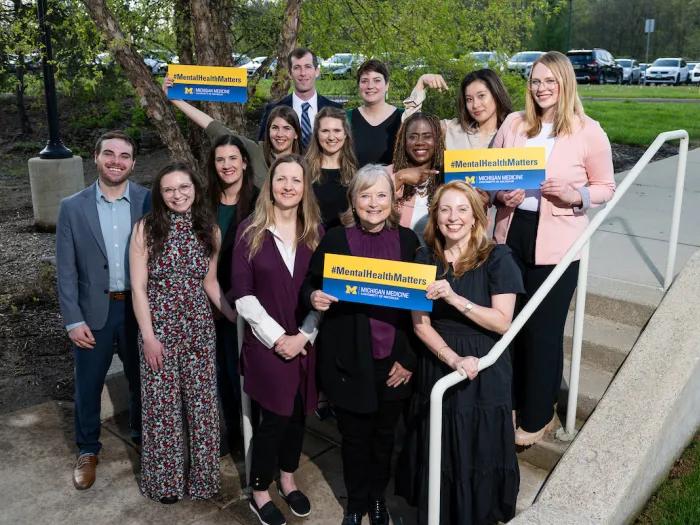
Interested in volunteering?
Please get in touch with [email protected]
Program Leadership

Ewa K Czyz, PhD
Medical School
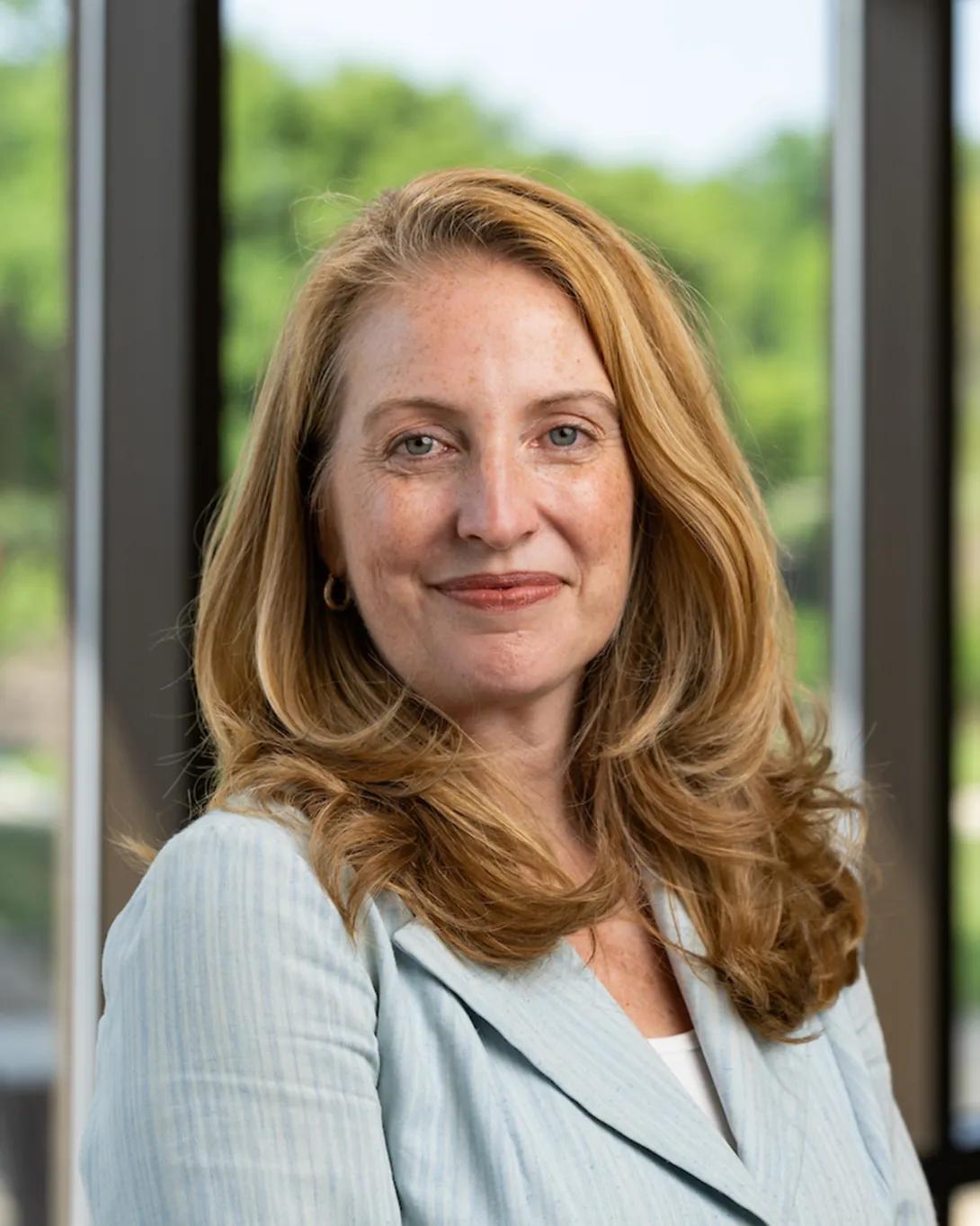
Cynthia J Ewell Foster, PhD
Medical School
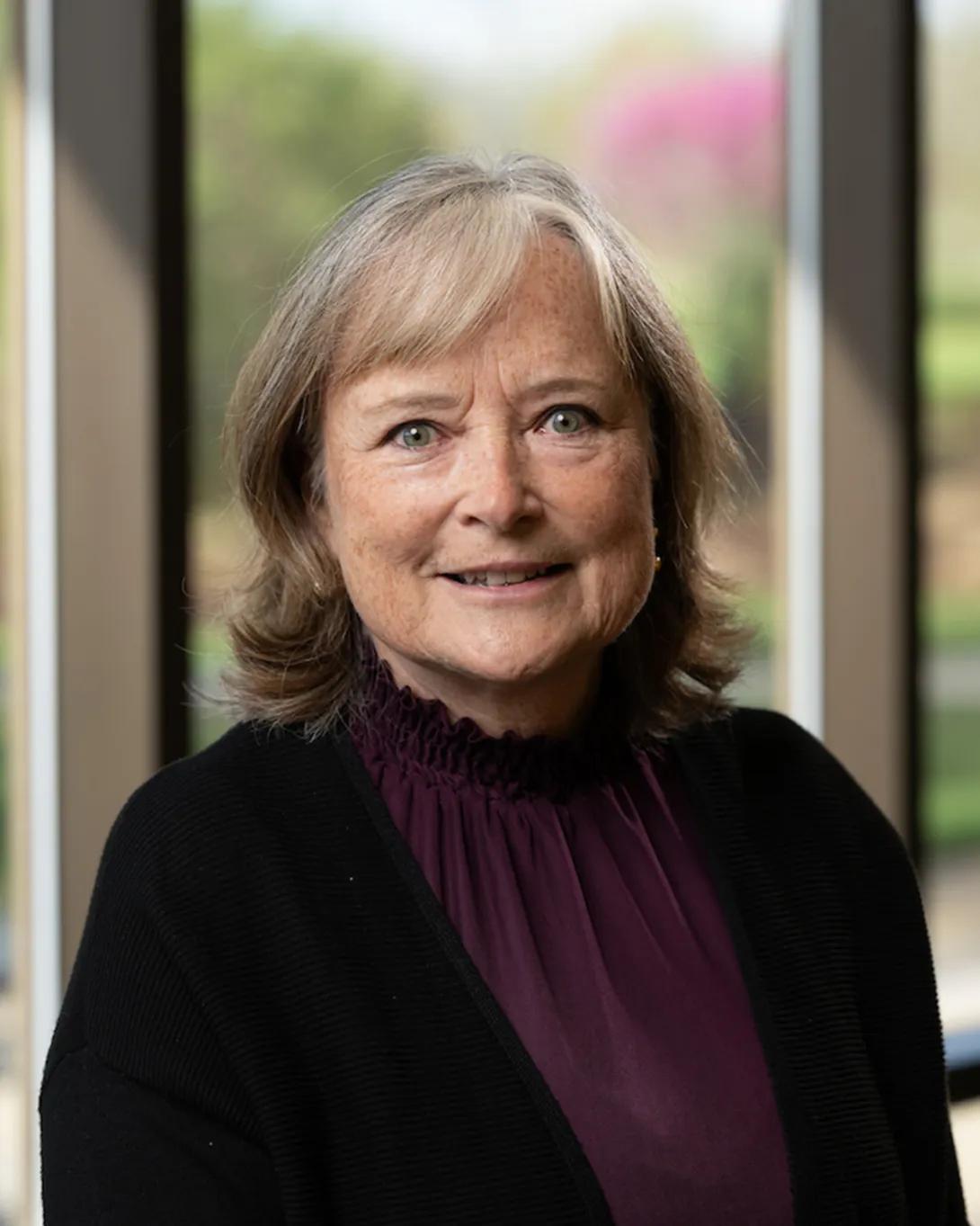
Cheryl A King
Medical School

Polly Y Gipson Allen
Associate Chair for Belonging and Community Engagement, Department of Psychiatry
Physician/Clinician Advisor, Trauma and Grief Clinical Program, Medical School
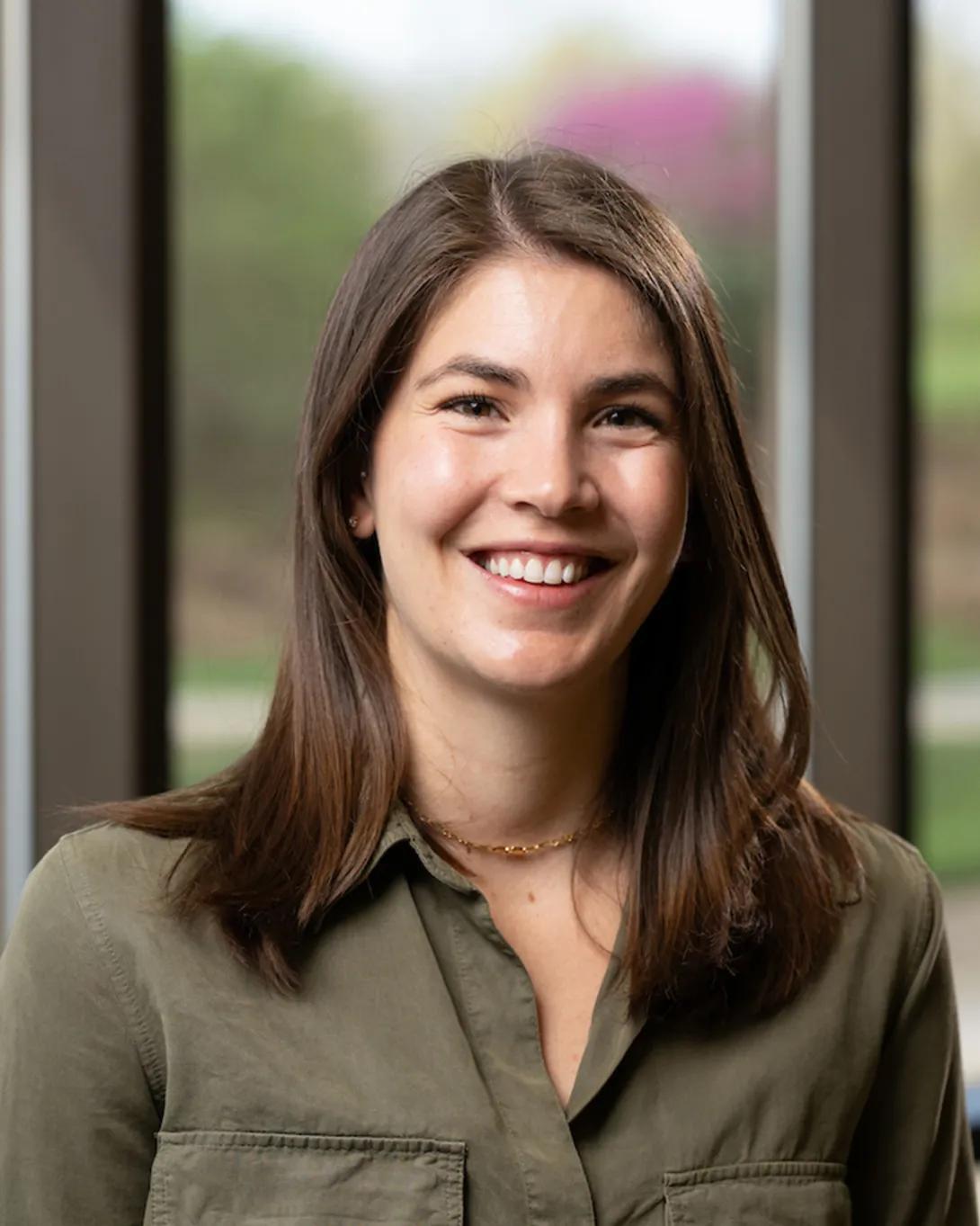
Alejandra Arango, PhD
Physician/Clinical Advisor, Medical School
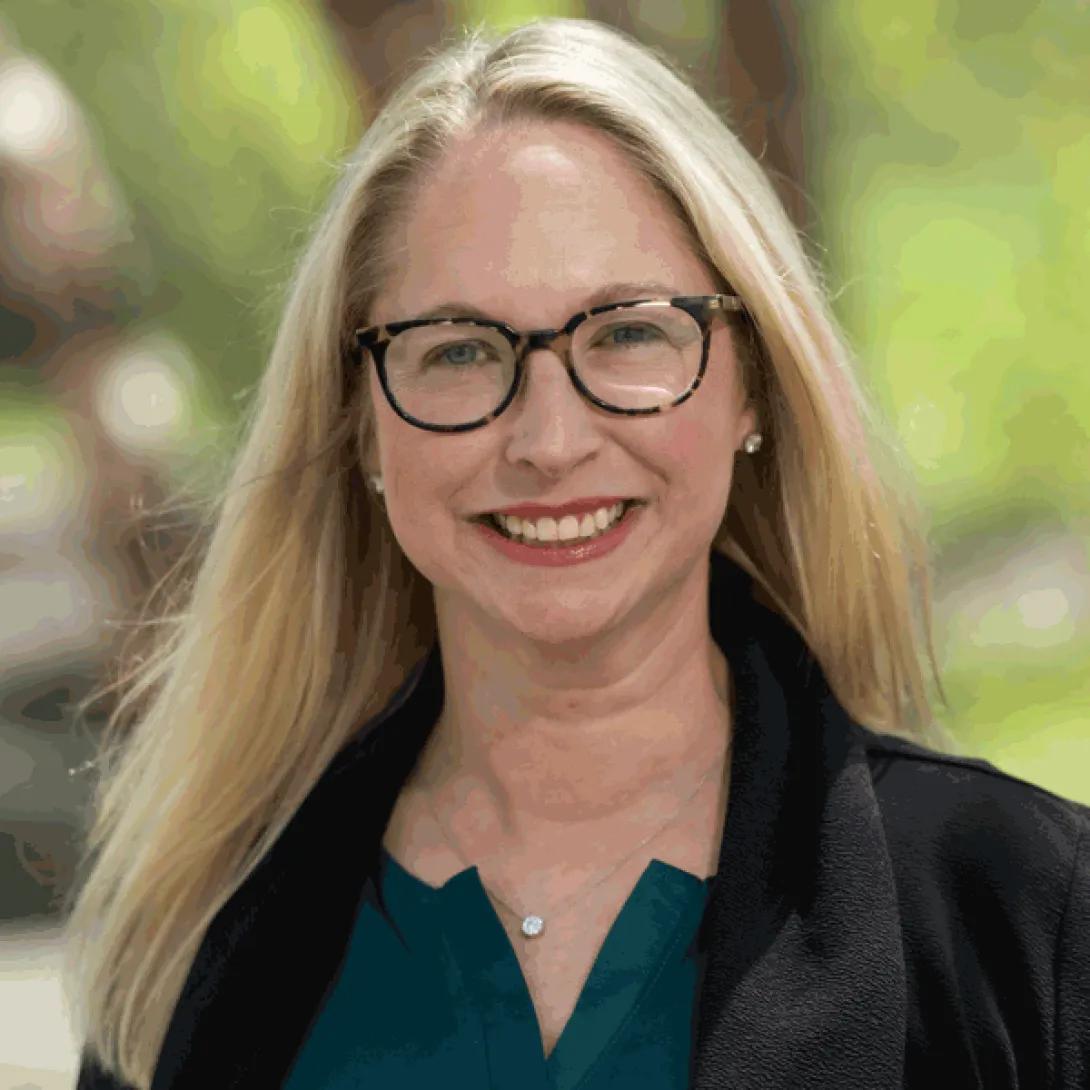
Courtney L Bagge, PhD
Medical School
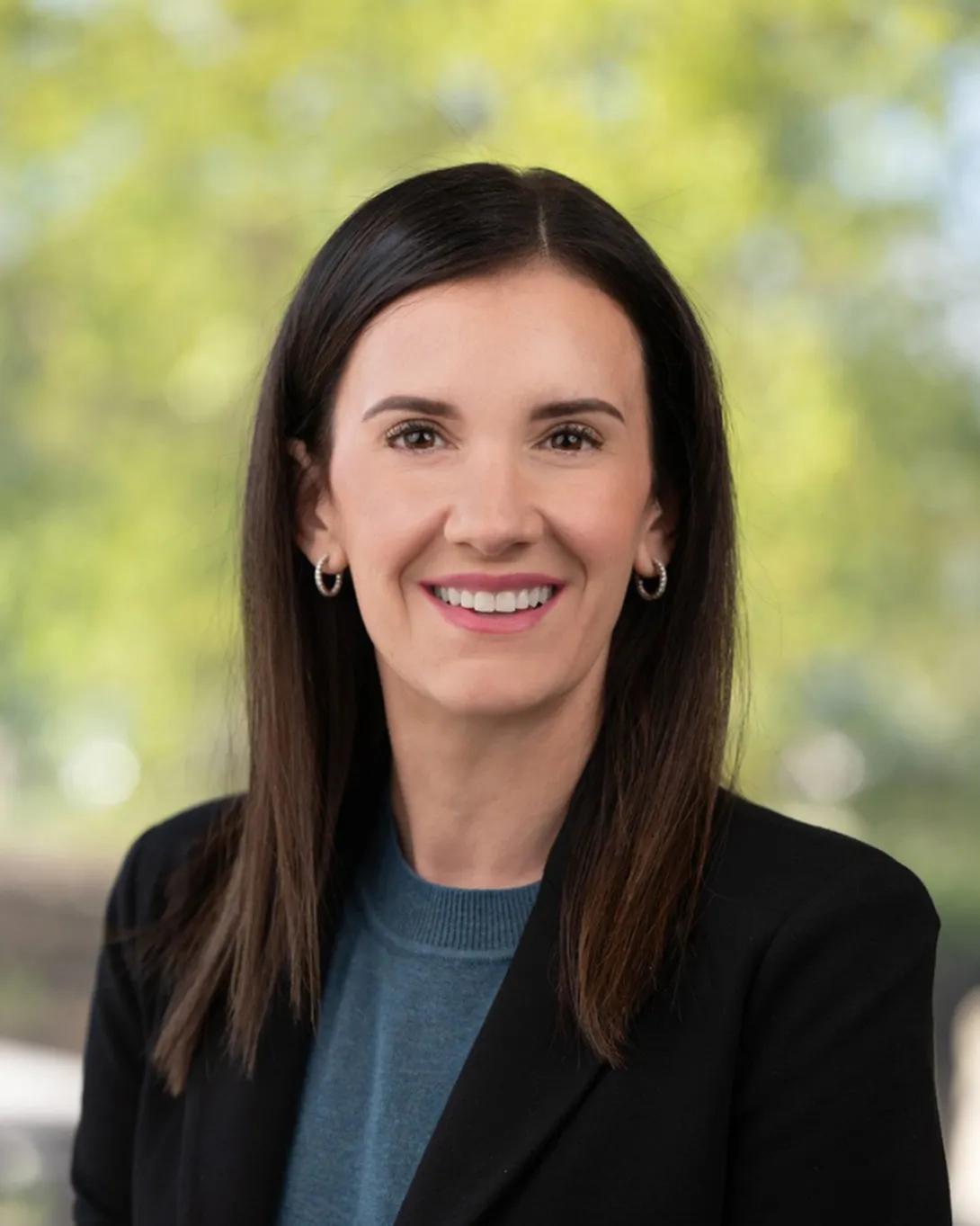
Lindsay A Bornheimer
Associate Professor of Psychiatry, Medical School
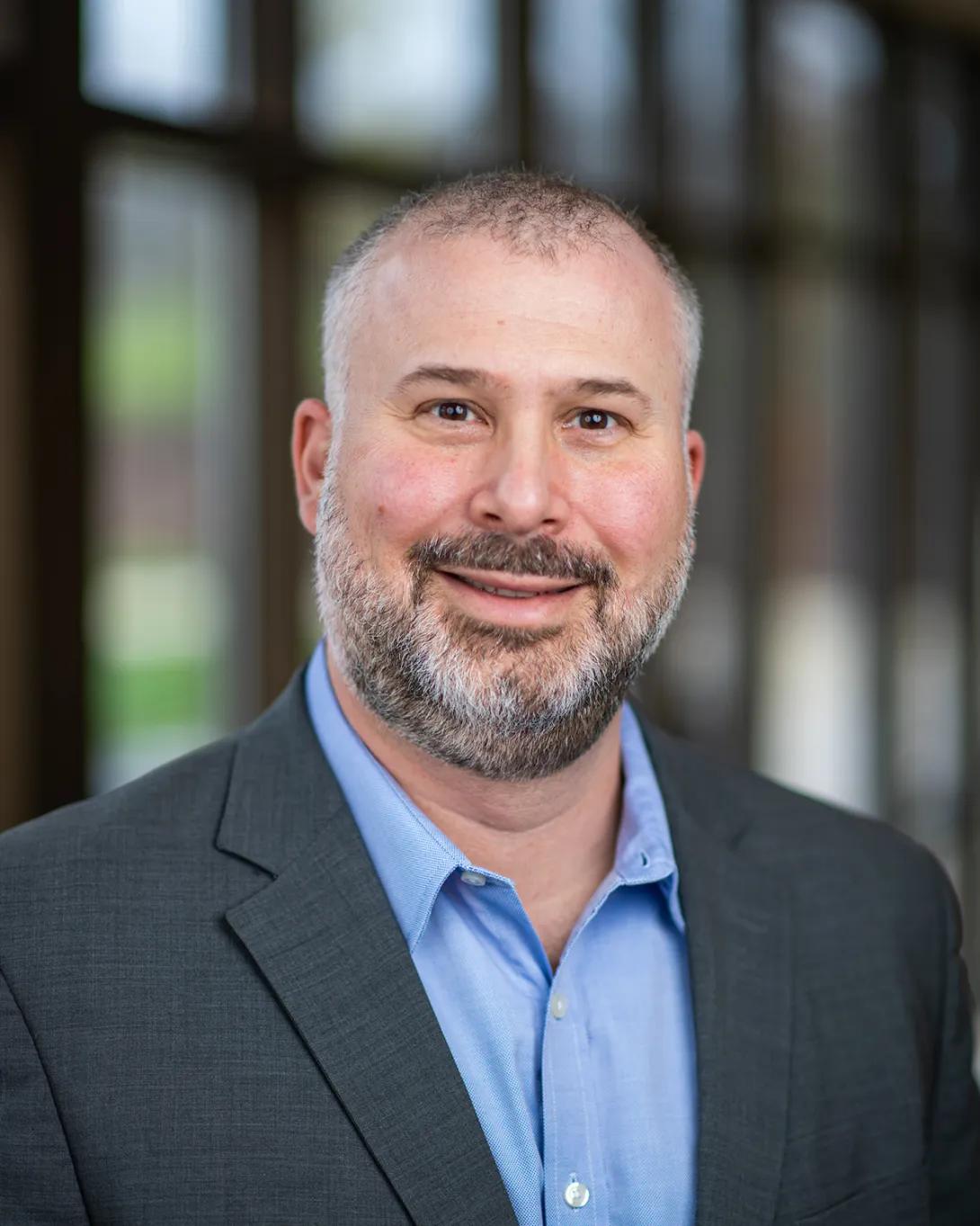
Mark A Ilgen, PhD
Research Professor of Psychiatric Disorders
Professor of Psychiatry
Medical School

Victor Y Hong
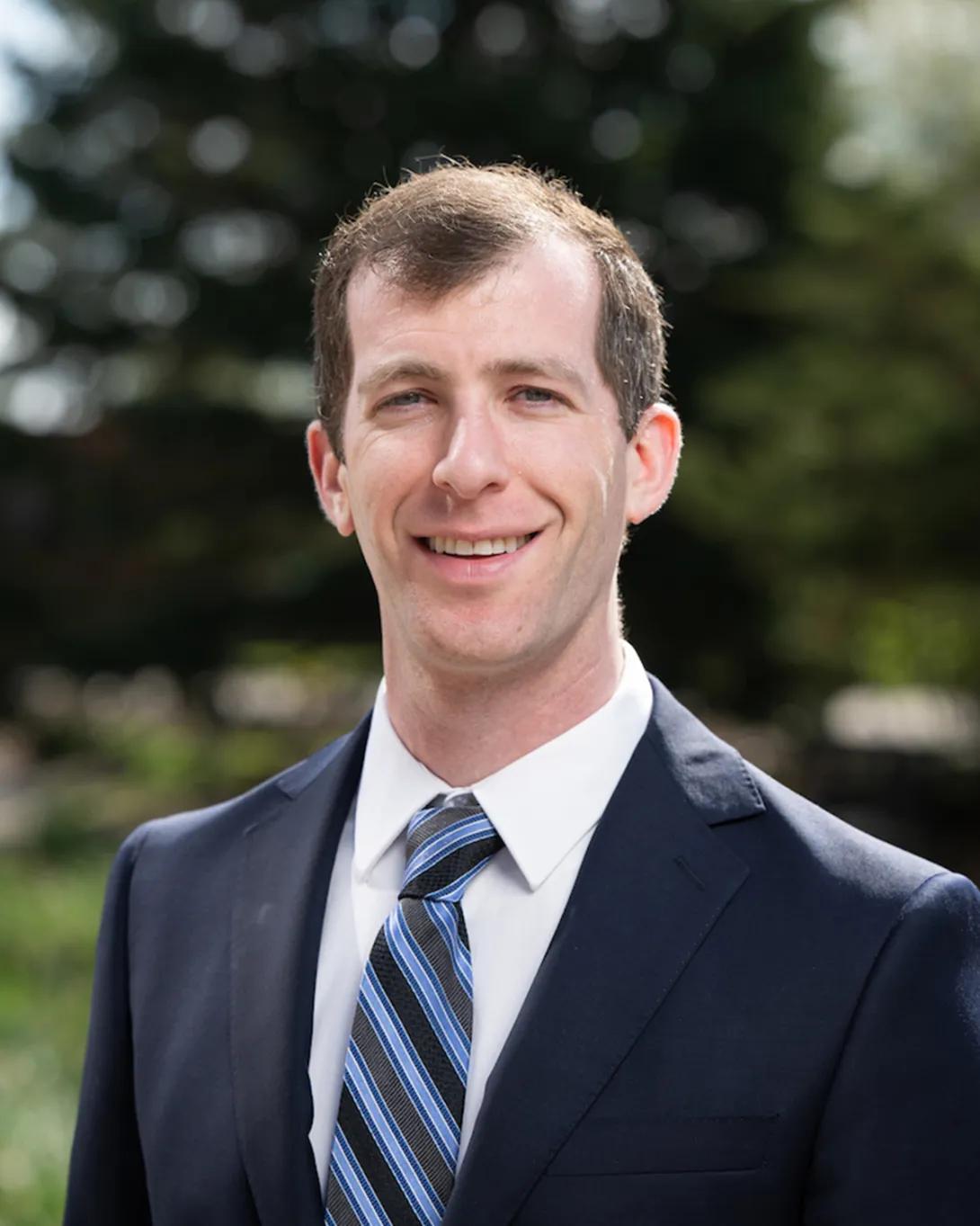
Adam Horwitz, PhD
Medical School
Valerie J Micol, PhD
Medical School
