-
Addiction Center -
Adult Anxiety Disorders -
Child OCD & Anxiety Disorders -
Geriatric Psychiatry -
Mental Health Innovation Services & Outcomes -
Mood Disorders Lab -
Interventional Psychiatry -
Neuropsychology -
Program for Risk Evaluation & Prevention -
Sleep & Circadian Rhythms -
Women & Infants Mental Health -
Youth & Young Adult Depression & Suicide Prevention -
Youth Suicide Prevention Initiative
Geriatric Psychiatry
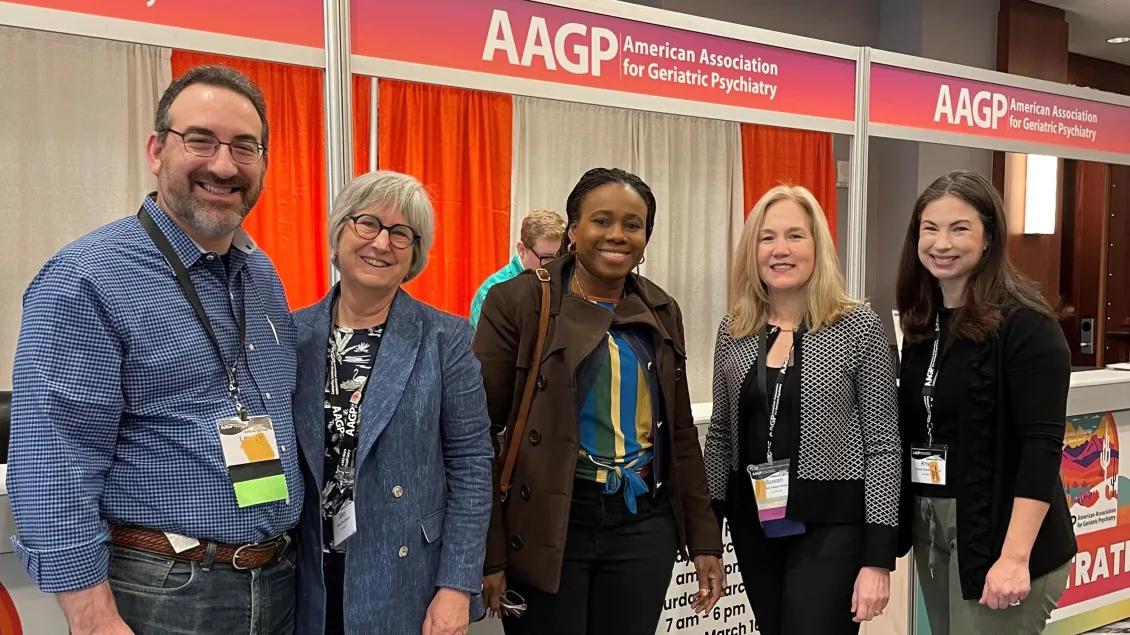
Transforming Aging
We have one of the nation’s largest concentrations of board-certified geriatric psychiatrists specializing in the unique mental health needs of older adults.
Program Overview
The Geriatric Psychiatry Program team is a group of clinicians, research scientists and trainees, with education, research and administrative staff. In support of our mission, the most critical functions we perform are:
- Delivering patient-centered medical care that meets the needs of patients and their families and serves as a national model for geriatric psychiatry education and research
- Training the next generation of leaders in geriatric psychiatry through the provision of quality geriatric psychiatry education across the continuum of medical education
- Conducting original research that advances the knowledge base of the specialty and improves the quality of care delivered
- Enhancing faculty skills and careers consistent with individual and department needs
- Educating on the particular needs of our aging population
Education
The Geriatric Psychiatry Fellowship in the U-M Medical School Department of Psychiatry is a one-year ACGME- accredited program that provides broad-based clinical experience in inpatient, outpatient and nursing home settings in an extraordinarily rich academic environment.
The clinical fellowship prepares for certification in geriatric psychiatry. For applicants with a strong research interest destined for an academic career, a two-year research track fellowship is available. The research track provides the same clinical experience but has research opportunities available in basic, clinical and health services research.
Patient Care
The changes of later life can have a profound impact on individuals and their families. Aging adults are resilient, often coping with a number of issues such as illness, loss of loved ones and changes in lifestyle. Recognition and treatment of mental health problems including mood, memory and substance use in this age group often require a specialized approach.
The Geriatric Psychiatry Program located within the Geriatrics Center provides a comprehensive, multidisciplinary approach to meet the unique needs of the aging population. Appropriate treatments can help facilitate adjustment to the changes of later life and significantly improve quality of life for those patients and their families. Our care team helps patients across the entire spectrum of cognitive difficulties from mild memory problems, to dementia with behavioral problems, to end-stage dementia.
Research
The best clinical care and education begins with innovative and clinically-relevant scientific research. The Geriatric Psychiatry Program hosts a powerful combination of clinicians identifying patient-relevant questions and researchers discovering the answers.
U-M has one of the nation’s largest concentrations of researchers studying aging and mental health related issues. Geriatric psychiatry faculty members are currently working on projects funded by a broad range of sources such as the National Institutes of Health, the Department of Veterans Affairs, private foundations and internal U-M sources. Our research is focused on later-life depression, racial disparities in mental health care, neuropsychiatric symptoms of dementia, substance abuse, bipolar disorder, integration of medical and mental health care, care for the seriously mentally ill population in nursing homes and health policy.
Our research faculty mentor trainees to identify and develop research growth opportunities that complement their interest levels. In addition, trainees are able to reap the benefits of access to national administrative and planned clinical databases to answer important questions of interest to mental health and aging. We also offer an NIMH-funded (T-32) post-doctoral training program in geriatric mental health services research.
Geriatric Psychiatry Gift Fund
Contributions to this fund will help support our mission by supporting pilot projects, education and training in new approaches, and community outreach. Your gift is very important and will help us continually improve our patient care, expand our reach, and develop new innovations to train other providers.
Program Leadership
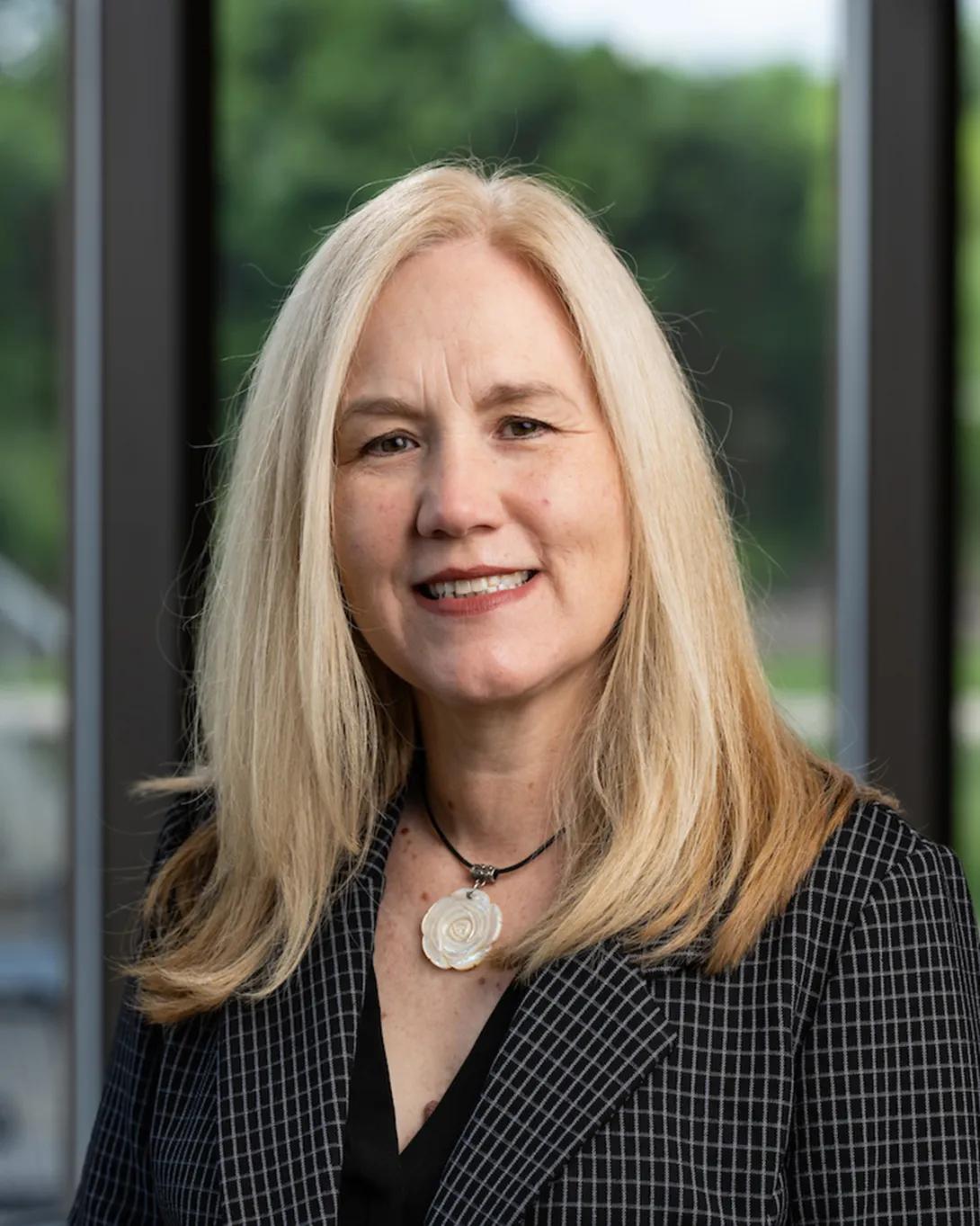
Susan Marie (Hakenson) Maixner, MD
Clinical Professor of Psychiatry
Program Director of Geriatric Clinical Program
Medical School
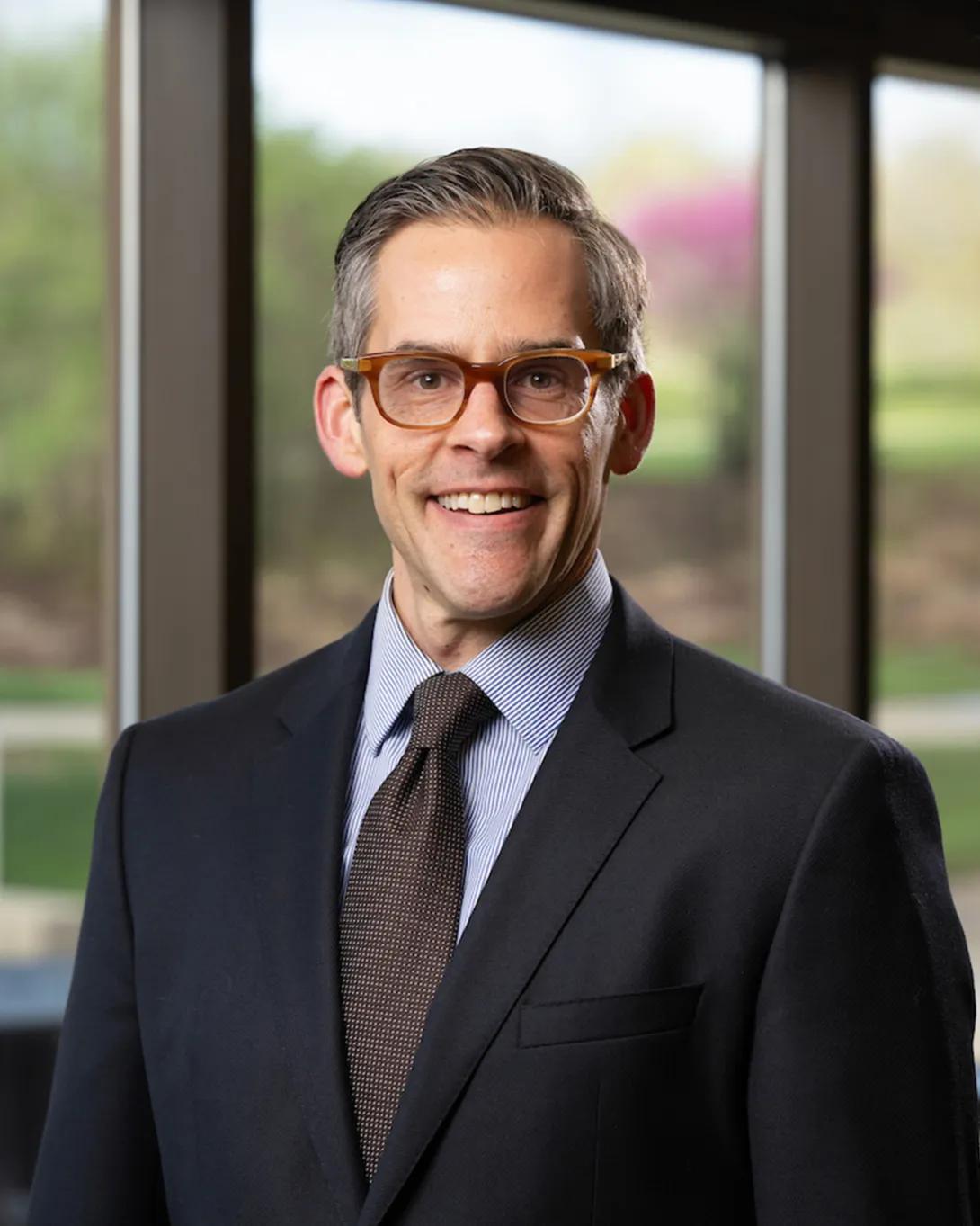
Donovan T Maust, MD, MS
Professor of Psychiatry
Medical School and Faculty Associate
Survey Research Center
Institute for Social Research
Featured News & Stories
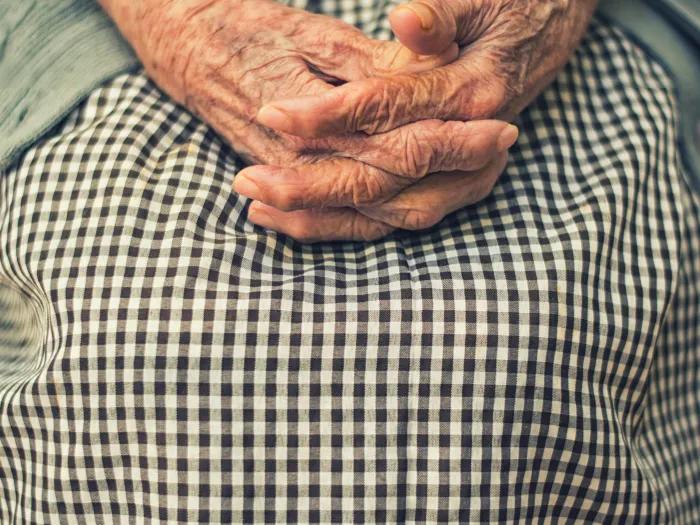
Drugs are widely used to sedate dementia patients. Her sons wanted to keep her off them. - Dr. Lauren Gerlach is quoted in this NPR article
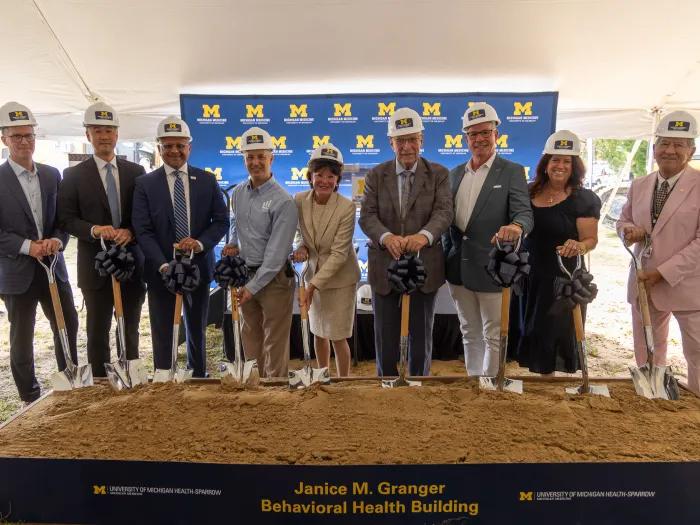
UM Health-Sparrow breaks ground on Janice M. Granger Behavioral Health Building

Are 988 and other mental health crisis lines missing people over 50?
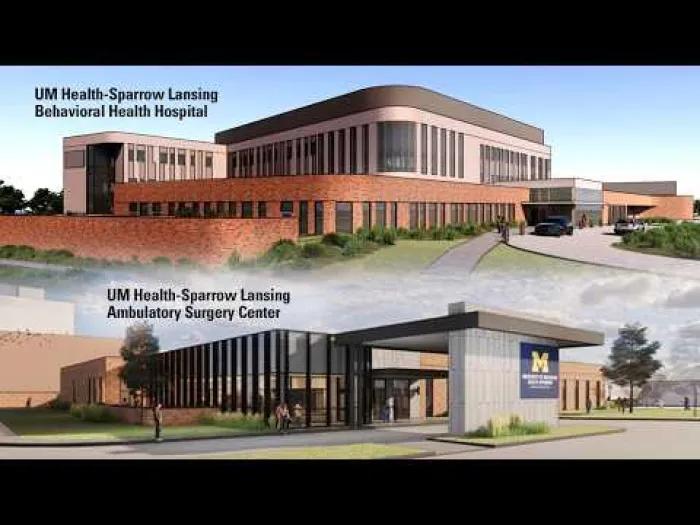
U-M Board of Regents approves new behavioral health, ambulatory surgery centers at UM Health-Sparrow

Hospice Patients with Dementia Face Higher Risk from Certain Prescriptions