
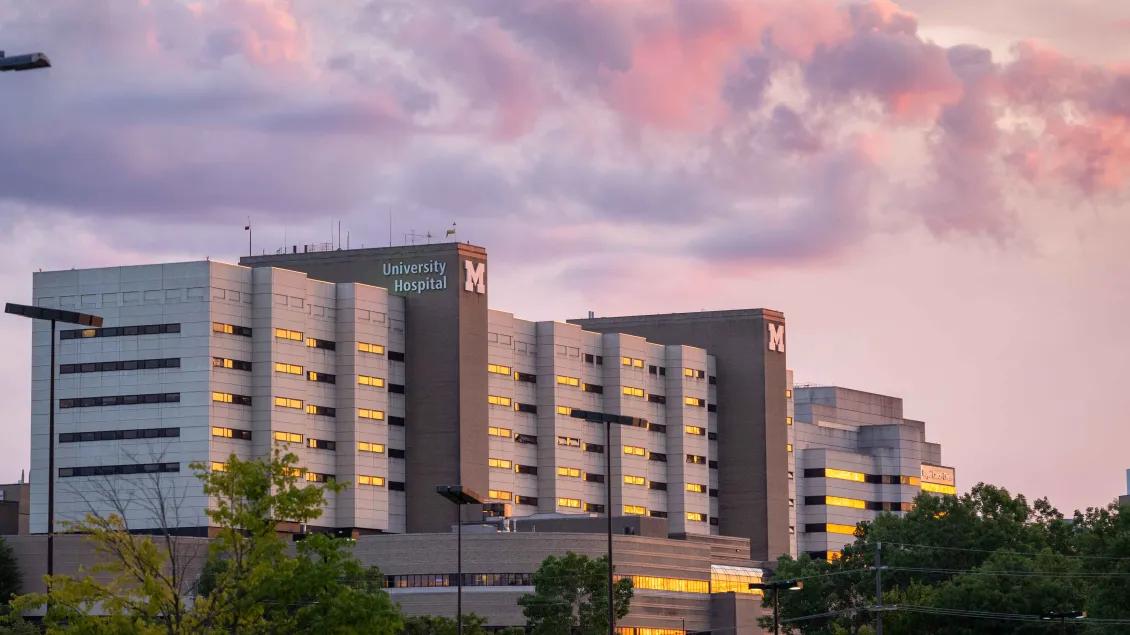
Psychology Postdoctoral Training Overview
The Michigan Medicine Department of Psychiatry and the VA Ann Arbor Healthcare System (VAAAHS) have collaborated to offer a network of postdoctoral training programs that features two dual-site programs in Clinical Neuropsychology and Clinical Psychology, and two single-site programs in Clinical Child Psychology and Mental Health Treatment and Research (at SMITREC). The Clinical Neuropsychology and Clinical Child Psychology programs are also specialty accredited. The overarching aim of the network programs is to develop practitioner-scientists to an advanced level so that they are capable of functioning successfully in a range of occupational settings for psychologists.
The Michigan Medicine/VAAAHS partnership provides a rich, interdisciplinary environment with seminars, lectures, and collaboration opportunities across departments and sites. Fellows gain diverse clinical experience in assessment, treatment, and consultation, with a focus on empirically-based methods. Training also includes focused mentorship in independent clinical research and a didactics series focused on professional development, the integration of science and practice, individual and cultural diversity, and ethics. The network follows the scientist-practitioner model and emphasizes core healthcare values such as beneficence, non-malfeasance, and public service.
For More Information
Program Duration
The Clinical Psychology Consortium is accredited for one year; a second year is available at Michigan Medicine for advanced training (as resources allow).
Clinical Neuropsychology, Clinical Child Psychology, and SMITREC fellowships are two years in duration.
All fellowships begin September 1.
How to Apply
Deadline: December 1st, 2026
Application requirements include:
- APA- or CPA-accredited graduate programs in clinical or counseling psychology
- APA- or CPA-accredited internship; and
- All requirements for PhD or PsyD program completed prior to beginning of appointment
Note that applicants to one of the VA residencies must also be US citizens.
Training Philosophy & Core Competencies
Rooted in the scientist-practitioner model, our programs uphold ethical values—beneficence, nonmaleficence, and a strong social contract—within a public service framework. Our mission is to prepare practitioner-scientists for diverse professional roles, guided by three primary aims:
- Clinical Competency: Train fellows to deliver psychological services across various settings.
- Research Excellence: Prepare fellows to conduct independent, systematic clinical research.
- Professionalism & Ethics: Foster professionalism and ethical conduct for independent practice.
Training is structured around six core competencies:
- Integration of Science and Practice
- Ethical and Legal Standards
- Individual and Cultural Diversity
- Assessment/Intervention
- Research
- Individual Professional Development
Fellows receive balanced, advanced training in clinical service, supervision and teaching, research, and didactics, supporting independence and strong professional identity.
- Clinical Training: 50–80% of weekly activities focus on supervised patient care and individualized learning plans.
- Supervision/Teaching: At least two hours weekly of individual supervision; opportunities for tiered supervision and teaching, including mentoring undergraduates.
- Research: Each fellow spends 10–40% of their time on research, supported by academic mentors, with opportunities ranging from quality improvement to independent research and conference presentations.
- Didactics: Fellows complete a core curriculum, supplemented by tailored learning, totaling about four hours weekly. Core elements include:
- Weekly Postdoctoral Forum
- At least two Bioethics Grand Rounds per year
- Site-specific research education
- Additional options such as Grand Rounds, international conferences, and DEI certification
Regular evaluations of the program, faculty, and fellows are an important part of maintaining high quality training. The evaluation process includes:
- Program: Anonymous evaluations by faculty and fellows are conducted bi-annually, alongside a formal annual review, to identify strengths and facilitate improvements.
- Faculty: Fellows complete anonymous, written faculty evaluations twice yearly, with results guiding professional development.
- Fellows: Fellows receive informal feedback at monthly meetings and formal written evaluations twice per year. Evaluations are reviewed in detail with faculty mentors and the Network Director, with comprehensive summaries provided through the fellowship.
To successfully complete the program and receive a certificate, fellows must:
- Achieve “Ready for Independent Practice” ratings or higher in all core competencies in their final evaluation
- Participate in at least 80% of required forums and didactics, complete required research education, and attend two Bioethics Grand Rounds annually
Accreditation
The Clinical Psychology Consortium, Clinical Neuropsychology Consortium, and Clinical Child Psychology programs are accredited by the Commission on Accreditation of the American Psychological Association (APA).
The Clinical Psychology program is accredited as a 1-year program, and the Clinical Neuropsychology and Clinical Child Psychology programs are both accredited as 2-year Specialty Programs.
The SMITREC program is not accredited.
The three accredited programs are fully accredited through 2033. However, as a result of policy changes affecting VA Consortium programs, the Clinical Psychology and Clinical Neuropsychology Consortium programs are in the process of seeking independent accreditation for separate Michigan Medicine and VA Ann Arbor programs.
Questions related to the accreditation status of the programs in the Training Network should be directed to the Commission on Accreditation.
View Postdoctoral Residency Admissions, Support, and Initial Placement Data
- Administrative and Financial Assistant Policy
- Grievance Policy - PTC Approved
- Immigration Status Sponsorship Policy - PTC Approved
- Maintenance of Records Policy - PTC Approved
- Moonlighting Policy - PTC Approved
- Recruitment and Selection Policy - PTC Approved
- Supervision Policy - PTC Approved
- Travel Policy - PTC Approved
- Clinical Licenses Policy - GPEC Approved
- Code of Conduct Policy - PTC Approved
- Evaluation Feedback Retention Termination policy - PTC Approved
- Remediation of Insufficient Competence and-or Problematic Behavior Policy - PTC Approved
Contact
Washington, DC 20002

Our Community
Feel at home in Michigan. Explore what it’s like to live, learn and grow in Ann Arbor among a diverse and supportive network of leaders in psychiatry and mental health.
