-
Addiction Center -
Adult Anxiety Disorders -
Child OCD & Anxiety Disorders -
Geriatric Psychiatry -
Mental Health Innovation Services & Outcomes -
Mood Disorders Lab -
Interventional Psychiatry -
Neuropsychology -
Program for Risk Evaluation & Prevention -
Sleep & Circadian Rhythms -
Women & Infants Mental Health -
Youth & Young Adult Depression & Suicide Prevention -
Youth Suicide Prevention Initiative
Women & Infants Mental Health
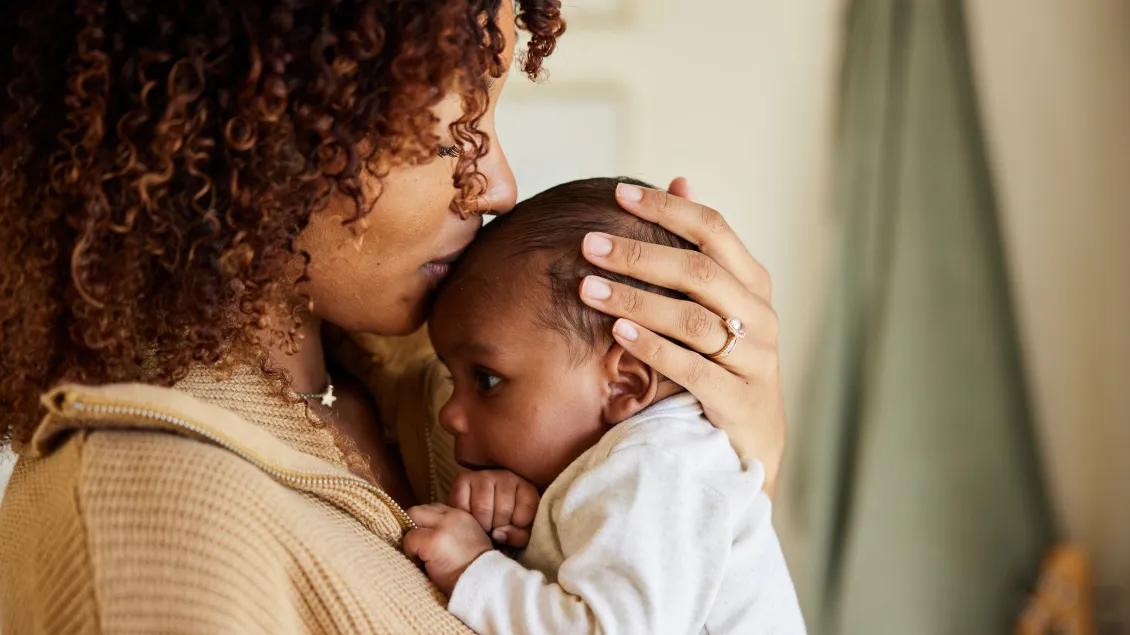
Compassionate Care
We are dedicated to improving understanding, treatments, and outcomes for women and their families at every stage of life.
Education
The U-M Medical School Department of Psychiatry's Women & Infants Mental Health program provides outpatient clinical care, research, education, training, and outreach focused on mood and anxiety disorders, especially during the childbearing years and key life transitions.
Our team offers education and training for clinicians, trainees, and families to improve the detection, understanding, and treatment of mental health concerns in women and infants.
We work to increase awareness and promote early intervention in fields such as psychiatry, psychology, obstetrics and gynecology, social work, and public health.
Patient Care
Women have unique mental health needs during times of hormonal change and major life events, including pregnancy, postpartum, and perimenopause. We offer specialized assessment, support, and therapy for concerns such as pre-conception planning, mood and anxiety disorders during and after pregnancy, breast-feeding challenges, infertility, reproductive loss, and hormone-related mood changes.
Our goal is to deliver timely, compassionate care to mothers and their families.
Research
Our research covers areas including depression, anxiety, trauma, parenting, infant mental health, sleep and circadian rhythms, and access to care. We study how mental health in mothers - whether treated or untreated - affects both women and children, and we examine the biological and psychological relationships that exist. Our research team is comprised of faculty, trainees, and staff from Psychiatry, Psychology, Obstetrics / Gynecology, Social Work, Pediatrics, Neurology, and Public Health.
Our research areas include:
- Depression, Anxiety, and Trauma
- Parenting and Fatherhood
- Infant Mental Health and Outcomes
- Sleep and Circadian Rhythms across the Life Cycle
- Brain and Behavior/Imaging Studies
- Screening, Access to Care, and Clinical Outcomes
Support Psychiatry
Your gift will change and save lives and transform the future of mental health care.
Featured News & Stories

What’s the latest on 7-OH and kratom availability and addiction care?

Depression in OBGYN residents needs more attention, study suggests

Youth Suicide Prevention Initiative Fall 2026 Newsletter

Emily Kautz, M.A., nominated for inaugural Michigan Medicine award

Sarah Sperry, Ph.D., featured on ‘Healthy Minds’ to discuss managing bipolar disorder