-
Addiction Center -
Adult Anxiety Disorders -
Child OCD & Anxiety Disorders -
Geriatric Psychiatry -
Mental Health Innovation Services & Outcomes -
Mood Disorders Lab -
Interventional Psychiatry -
Neuropsychology -
Program for Risk Evaluation & Prevention -
Sleep & Circadian Rhythms -
Women & Infants Mental Health -
Youth & Young Adult Depression & Suicide Prevention -
Youth Suicide Prevention Initiative
Mood Disorders Lab
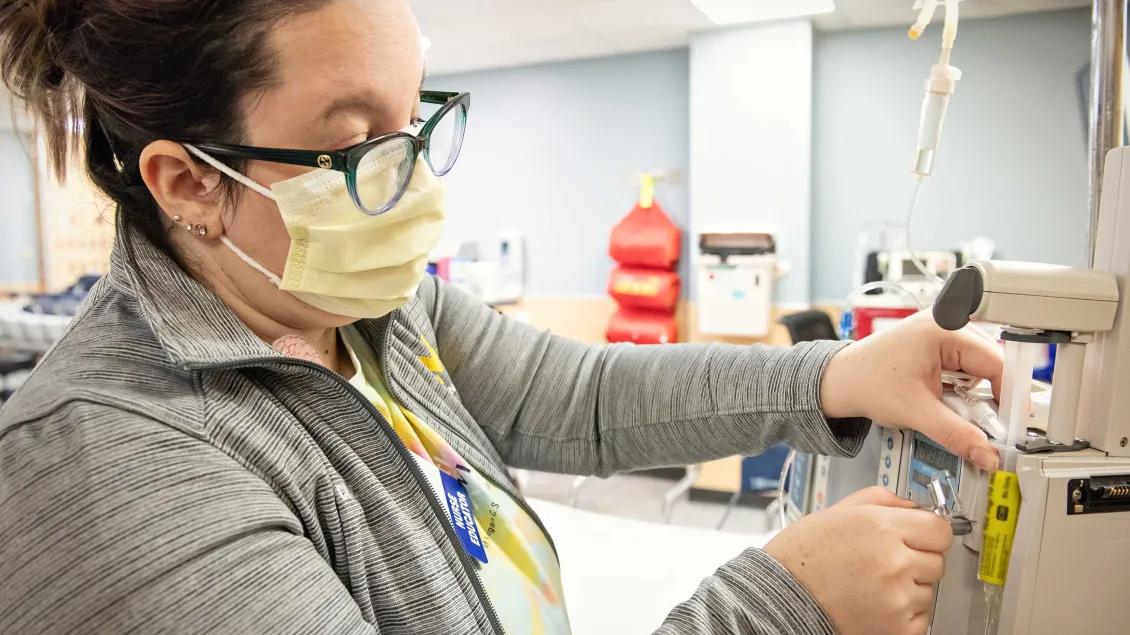
Improving Treatments
We focus on developing and evaluating new interventions to help individuals affected by depression and bipolar disorder.
Research
In the U-M Medical School Department of Psychiatry, we conduct a range of studies on mood disorders, including depression and bipolar disorder.
Our current, upcoming, and past research activities are designed to discover more effective treatments and improve outcomes for those living with mood disorders.
Contact
If you're interested in participating in research, please contact our team.
Active Studies
COMPASS
This study is designed to assess the safety and efficacy of a synthetic analogue of psilocybin for individuals with treatment-resistant depression. This is a phase 3, multisite, active placebo, randomized, double-blind trial.
Participants will be enrolled for up to 62 weeks and will receive 2 to 4 dosing sessions with one of three possible doses of COMP360. All dosing is provided with accompanying psychotherapy.
Interventional Psychiatry Registry
This registry aims to better understand the long-term effects of novel clinical interventions for mood disorders, such as ketamine, electroconvulsive therapy (ECT), and transcranial magnetic stimulation (TMS). The study focuses on the durability of treatment efficacy and potential long-term adverse events.
We are enrolling individuals who receive IV ketamine infusions, TMS, ECT, other novel treatments, or who participate in clinical trials for mood disorders, and will track their treatment progression and psychiatric symptoms over one year.
Support Psychiatry
Your gift will change and save lives and transform the future of mental health care.
Program Leadership
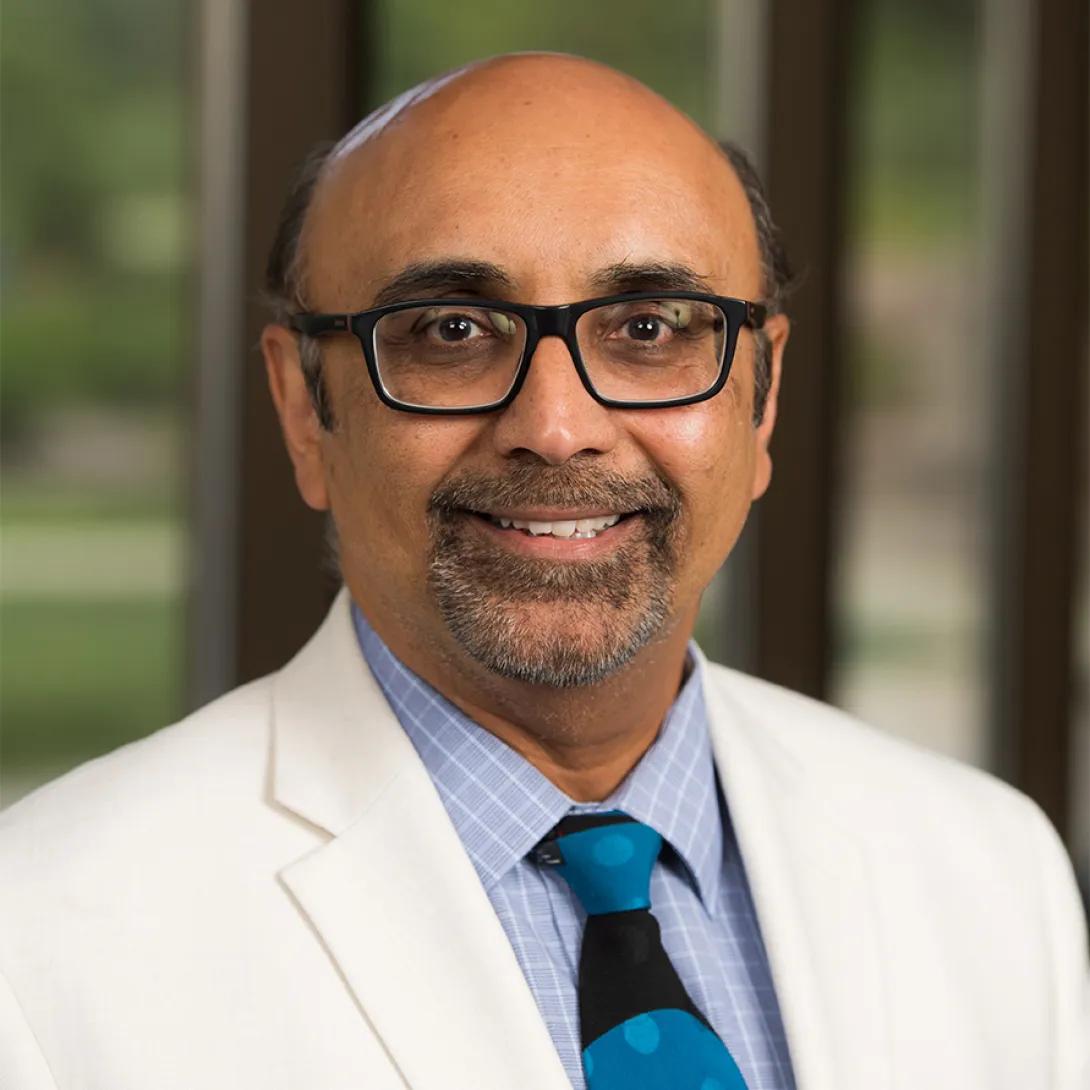
Sagar V Parikh, MD, FRCPC
Professor of Psychiatry and Program Director
Unipolar
Psychiatry
Medical School
Featured News & Stories
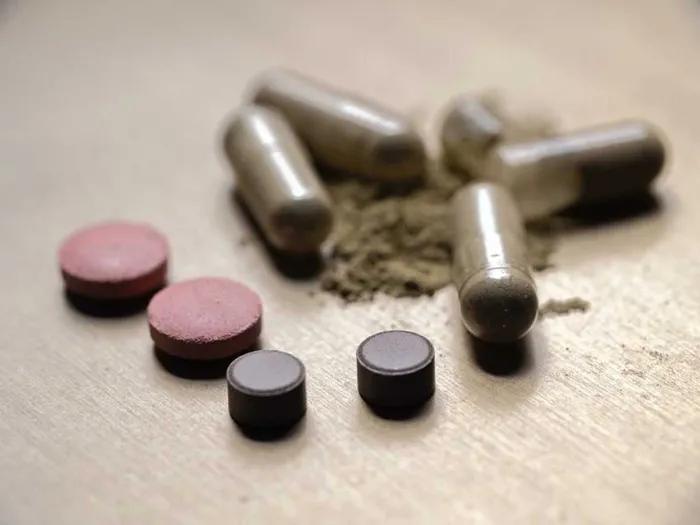
What’s the latest on 7-OH and kratom availability and addiction care?
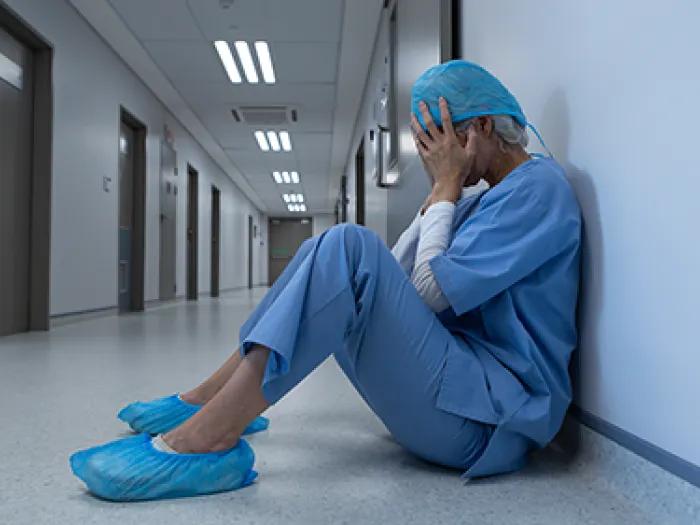
Depression in OBGYN residents needs more attention, study suggests
Youth Suicide Prevention Initiative Fall 2026 Newsletter

Emily Kautz, M.A., nominated for inaugural Michigan Medicine award
Sarah Sperry, Ph.D., featured on ‘Healthy Minds’ to discuss managing bipolar disorder