-
Addiction Center -
Adult Anxiety Disorders -
Child OCD & Anxiety Disorders -
Geriatric Psychiatry -
Mental Health Innovation Services & Outcomes -
Mood Disorders Lab -
Interventional Psychiatry -
Neuropsychology -
Program for Risk Evaluation & Prevention -
Sleep & Circadian Rhythms -
Women & Infants Mental Health -
Youth & Young Adult Depression & Suicide Prevention -
Youth Suicide Prevention Initiative
Program for Risk Evaluation & Prevention (PREP)

Evidence-Based Prevention & Treatment
We are dedicated to advancing knowledge, prevention, and care in early psychosis.
Education
Dr. Adrienne Lapidos has developed a Coursera online course titled "Understanding Psychosis." The course covers four modules including psychosis fundamentals, the history and new directions of mental health services, psychosis and health, as well as trauma-informed care.
The one-week program has a flexible schedule for participants at an intermediate level. It is free for participants to enroll in the course.
Learn more about the Understanding Psychosis Coursera course
Patient Care
The Program for Risk Evaluation & Prevention (PREP) specializes in the early identification and intervention for young people experiencing thinking disorders or emotional disturbances that may indicate an increased risk for psychosis. We recognize the profound impact early intervention can have on outcomes.
Our interdisciplinary team offers comprehensive assessment, personalized referrals, and targeted treatment in a supportive environment. By emphasizing early intervention and continuous support, PREP aims to improve clinical outcomes and promote overall well-being for our patients.
Hear From Our Director
Program Director Dr. Stephan Taylor answers questions related to early signs of psychosis.
Research
The PREP research team brings together experts from Psychiatry, Psychology, and Pharmacy to conduct advanced research in early psychosis and related conditions such as bipolar disorder and schizophrenia. Our interdisciplinary efforts focus on identifying risk factors, developing innovative preventive treatments, and improving patient outcomes.
Individuals interested in participating in psychiatric research can join the Psychiatry Registry, a secure platform that matches volunteers with study opportunities in the area of mental health. Once enrolled, volunteers may be contacted about new studies and can choose to participate based on eligibility and interest.
Support Psychiatry
Your gift will change and save lives and transform the future of mental health care.
Program Leadership
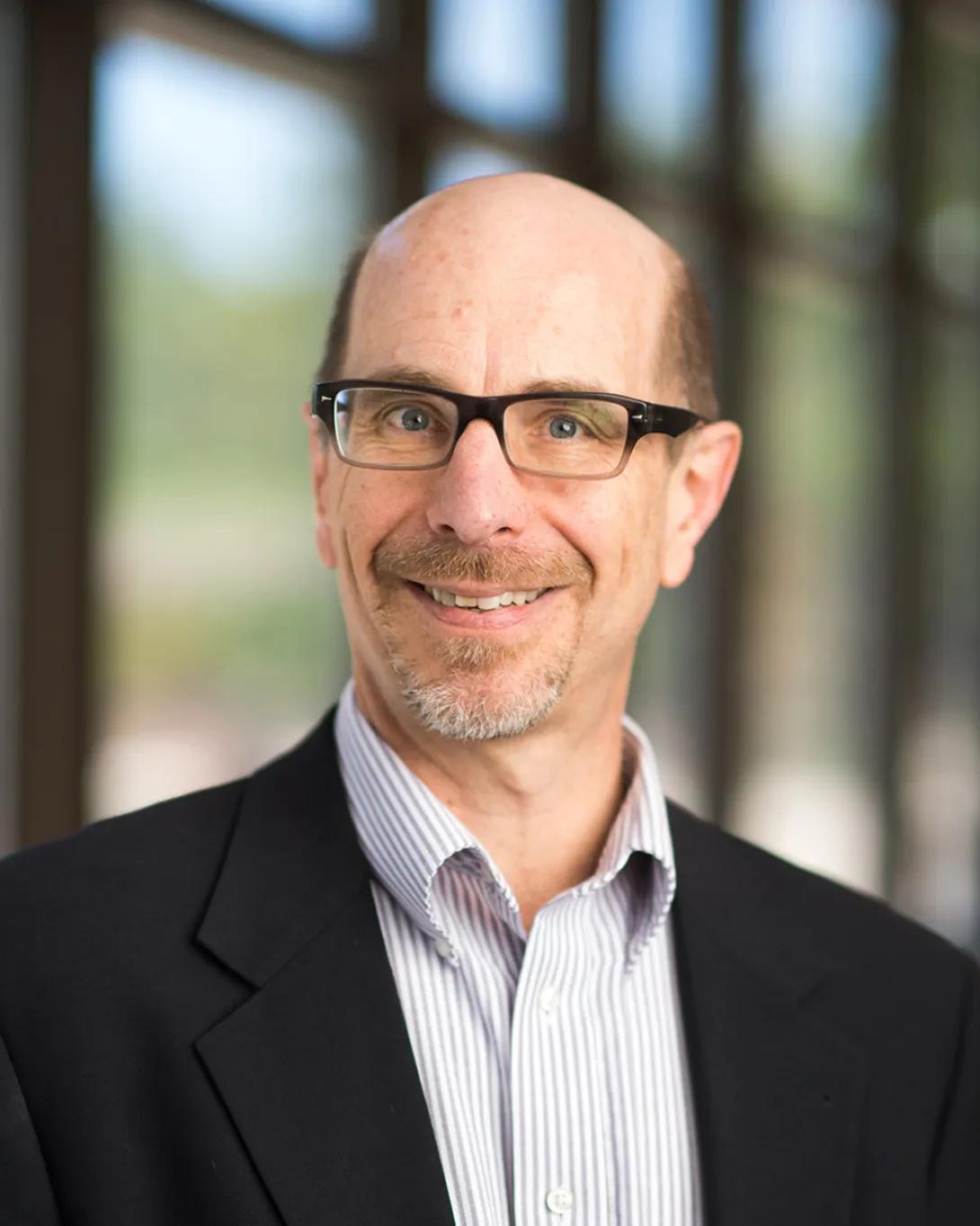
Stephan F Taylor
Professor of Psychiatry
Chair, Department of Psychiatry
Assistant Medical/Clinical Director, Psychiatry
Medical School
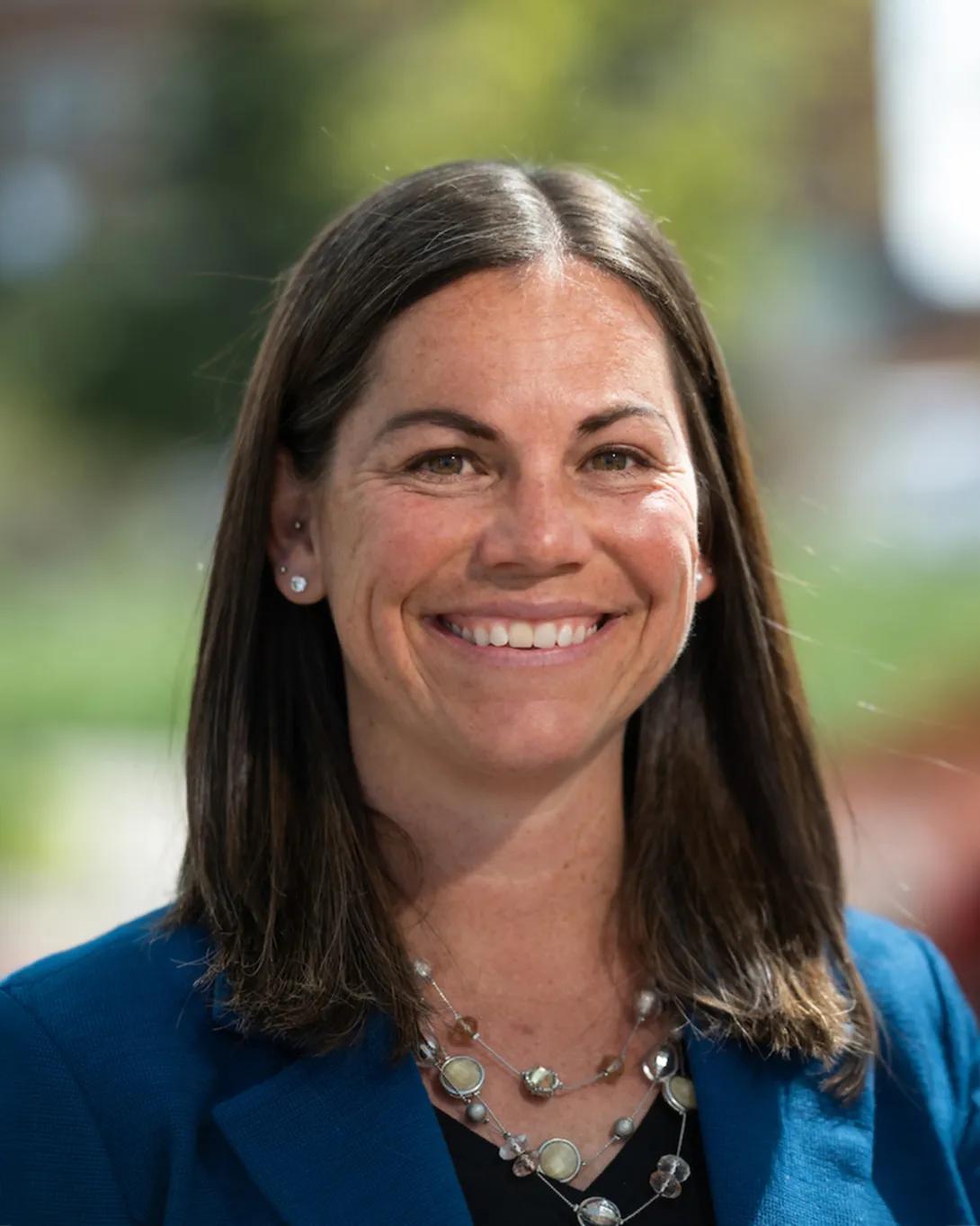
Cynthia Zurhellen Burton, PhD, ABPP-CN
Assistant Medical/Clinical Director, Psychiatry, Medical School
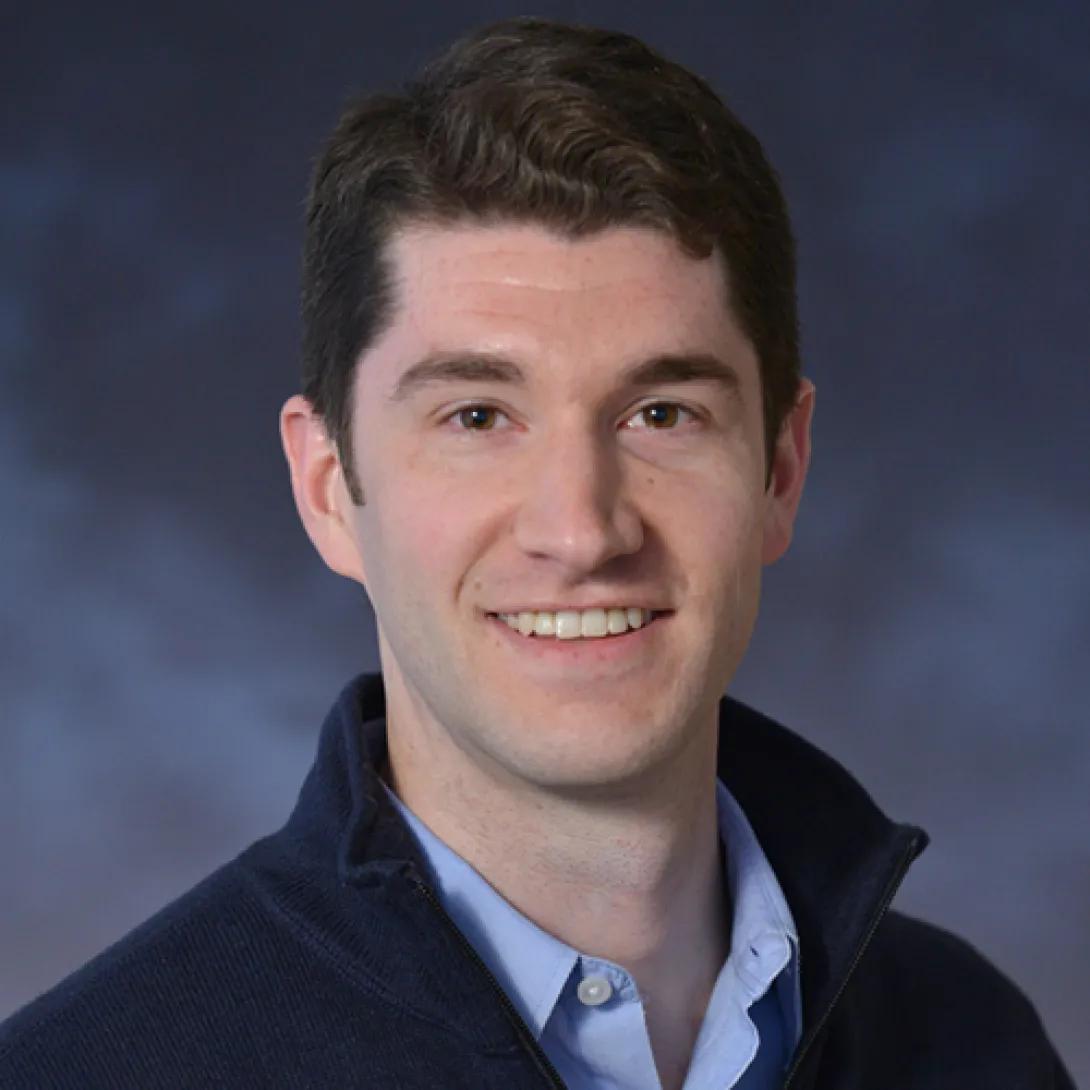
Tyler Grove
Medical School
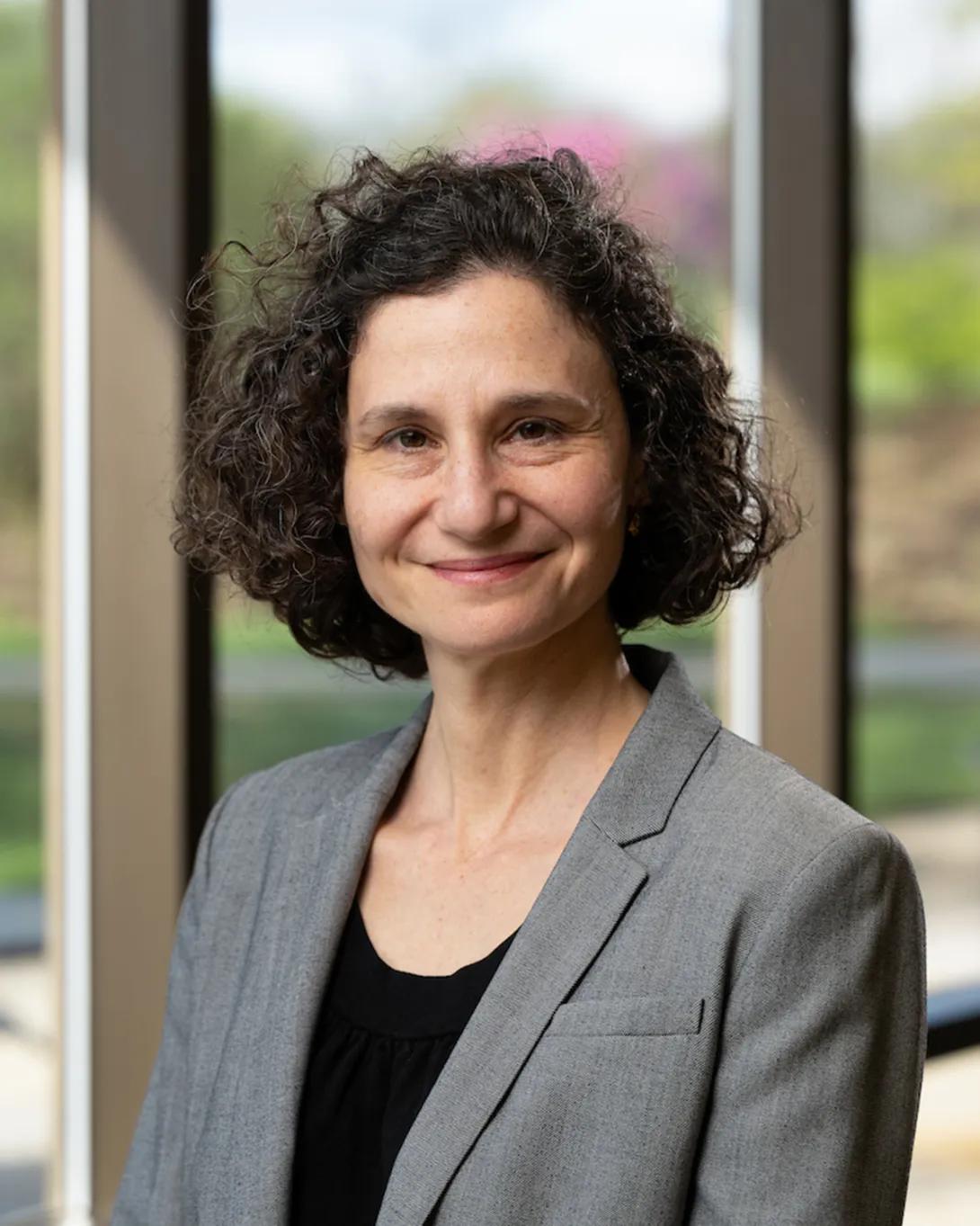
Adrienne Lapidos, PhD, ABPP
Physician/Clinical Advisor, Psychiatry
Medical School

Mallory J Klaunig PhD
Medical School
Featured News & Stories

What’s the latest on 7-OH and kratom availability and addiction care?

Depression in OBGYN residents needs more attention, study suggests

Youth Suicide Prevention Initiative Fall 2026 Newsletter

Emily Kautz, M.A., nominated for inaugural Michigan Medicine award

Sarah Sperry, Ph.D., featured on ‘Healthy Minds’ to discuss managing bipolar disorder