-
Addiction Center -
Adult Anxiety Disorders -
Child OCD & Anxiety Disorders -
Geriatric Psychiatry -
Mental Health Innovation Services & Outcomes -
Mood Disorders Lab -
Interventional Psychiatry -
Neuropsychology -
Program for Risk Evaluation & Prevention -
Sleep & Circadian Rhythms -
Women & Infants Mental Health -
Youth & Young Adult Depression & Suicide Prevention -
Youth Suicide Prevention Initiative
Youth Suicide Prevention Initiative
Multidisciplinary Collaboration
Educating providers to strengthen suicide prevention and mental health care
Our Work
The Youth Suicide Prevention Initiative (also referred to as the Zero Suicide Initiative) is a collaborative effort to improve how health systems identify, support, and care for youth at risk for suicide using the Zero Suicide Framework.
Suicide is one of the leading causes of death among youth, and many young people experiencing suicidal thoughts are accessing the healthcare system, creating critical opportunities to intervene and save lives.
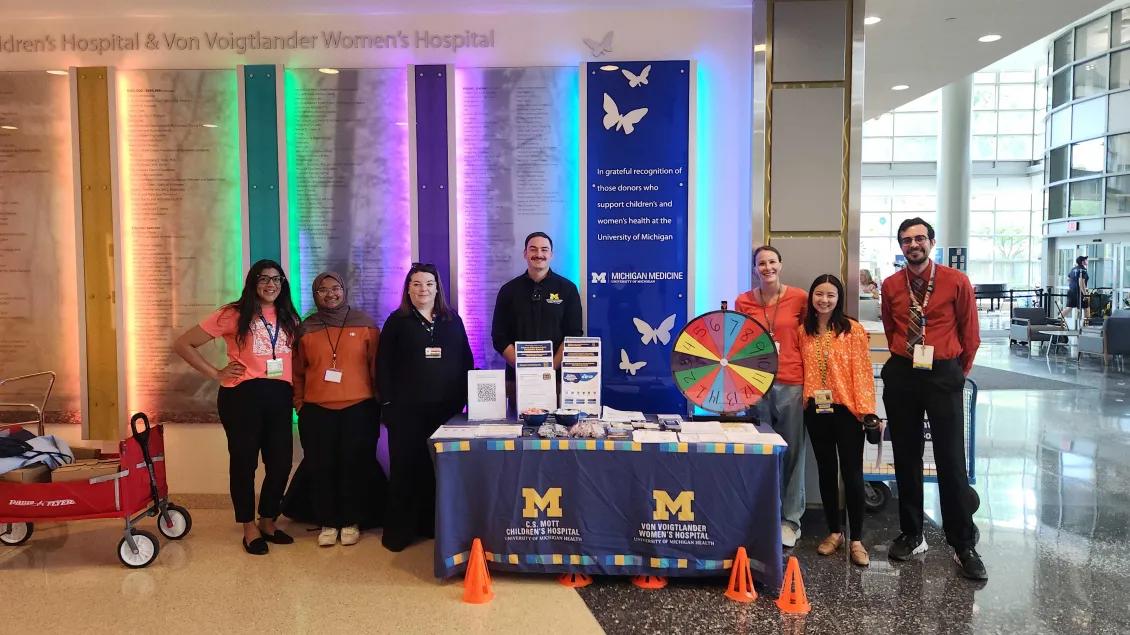
The Youth Suicide Prevention Initiative is a multidisciplinary effort by Department of Psychiatry faculty and staff at C.S. Mott Children’s Hospital dedicated to expanding and strengthening suicide prevention and mental health care. We are committed to building an empathetic, skilled, and engaged workforce to respond to the youth mental health crisis.
Our Vision & Values: Our vision is to work together to save lives through suicide prevention with an emphasis on our values: patient-centered, empathy, hope, coping, and safety.
Focus Areas
The Youth Suicide Prevention Initiative’s focus is on the full spectrum of care including screening, risk assessment, safety planning, treatment, and care transitions so that every youth and family receives consistent, compassionate, and effective support.
Key areas of focus include:
Expanding workforce education and strengthening training for frontline healthcare providers. This includes developing just-in-time resources that can be adapted across pediatric care settings, as well as more specialized training for staff working directly with youth and families in crisis.
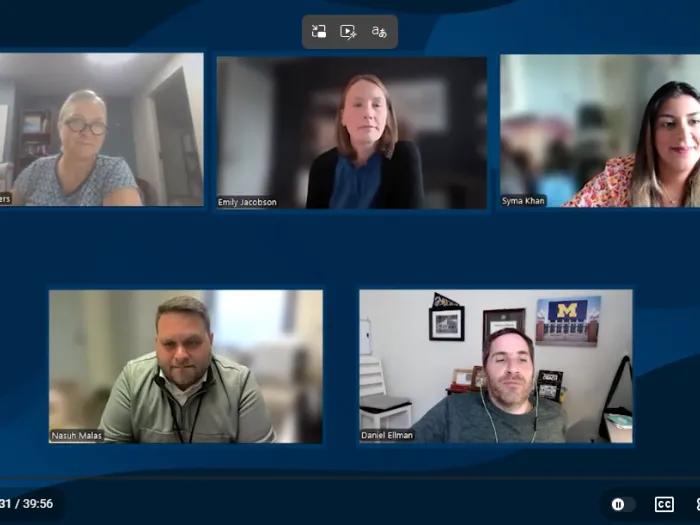
Engagement Forums are hosted virtually to bring together healthcare professionals to share lessons learned, collaborate on implementation, and continually enhance suicide prevention care.
Partnering with organizations dedicated to trauma-informed care, depression and anxiety treatment, firearm injury prevention, and lethal means safety to build a broader network of support for youth and families. Through these collaborations, we seek to translate evidence-based interventions to clinical practice and provide more specialized resources.
Development of the Youth Suicide Prevention Initiative Toolkit, a practical, evidence-based resource designed to equip providers with the latest best practices for engaging and supporting children, teens, and families during a mental health crisis.
Framework
The Zero Suicide Framework is a nationally recognized, evidence-based approach to transforming the way healthcare systems respond to suicide risk. It is built on the belief that suicide is preventable and that every patient at risk deserves safe, effective, and compassionate care.
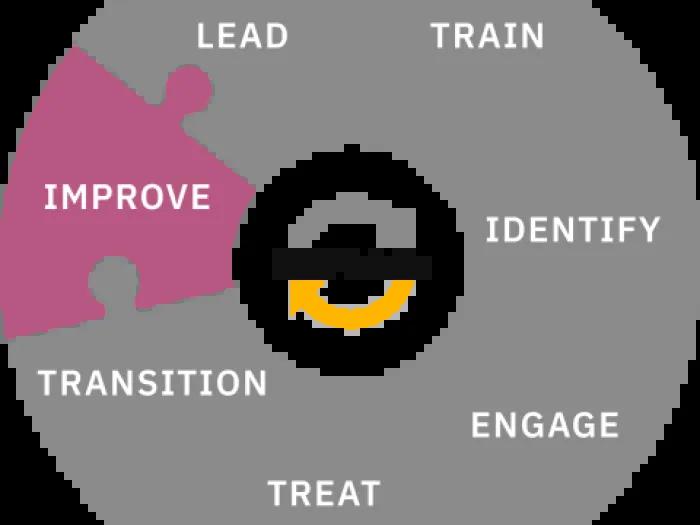
The framework is organized around seven key elements: Lead, Train, Identify, Engage, Treat, Transition, Improve.
Together, these elements promote a comprehensive, system-wide approach to suicide prevention. We use this framework to guide our work, from training staff across all care settings, to implementing standardized screening and safety planning, to ensuring smooth care transitions and continuous improvement. By embedding these practices throughout C.S. Mott Children’s Hospital, our team of psychiatry professionals aims to create a safer, more supportive environment for youth and families facing mental health challenges.
Recent Newsletters
Each newsletter issue highlights some of the work the Youth Suicide Prevention Initiative team is undertaking across the 7 Zero Suicide Elements at C.S. Mott Children’s Hospital.
We also provide practical and actionable strategies for implementation across diverse care settings with the goal of statewide dissemination and adoption of the Zero Suicide Framework.
You can find the latest news and updates from the Youth Suicide Prevention Initiative in our Spring 2026 Newsletter.
Youth Suicide Prevention Initiative Newsletter
If you are interested in receiving the newsletter and learning about Youth Suicide Prevention Initiative activities and educational opportunities, please submit the sign-up form.
Collaborations
Resources
Support the Zero Suicide Initiative
Support this life-saving work! Your gift helps transform how healthcare systems care for youth at risk for suicide. We are building a compassionate, skilled, and responsive workforce so youth and families feel supported, understood, and safe.
Program Leadership
Our lead team brings together representatives working in mental health from across C.S. Mott Children’s Hospital who share a commitment to building a safer, more responsive healthcare environment for patients at risk of suicide. Meeting twice a month, the team works to advance key initiatives shaped by the voices of patients, families, and healthcare teams while guided by the evidence based Zero Suicide framework.
The steering committee brings together key stakeholders from across our pediatric and adult hospitals, as well as ambulatory services. Members represent a wide range of expertise including clinical care, research, project management, and disciplines such as medicine, nursing, social work, and psychology. Importantly, we also welcome individuals with lived experience, who work alongside providers to share their perspectives, ensuring our efforts are grounded in real-world needs.

Nasuh Malas, MD, MPH, DFAACAP
Clinical Professor of Pediatrics
Associate Chair, Department of Psychiatry
Service Chief, Child and Adolescent Psychiatry
Medical School

Syma Khan, MSW, MPH
Project Manager for Youth Suicide Prevention Initiative
Departments of Psychiatry & Social Work

Alejandra Arango, PhD
Physician/Clinical Advisor, Medical School
Margaret Fast, MSN, APRN, ACNS-BC, CCRN-K, CPEN
C.S. Mott Children’s Emergency Services
Renee Grooters, BSN, RN
C.S. Mott Children’s Hospital
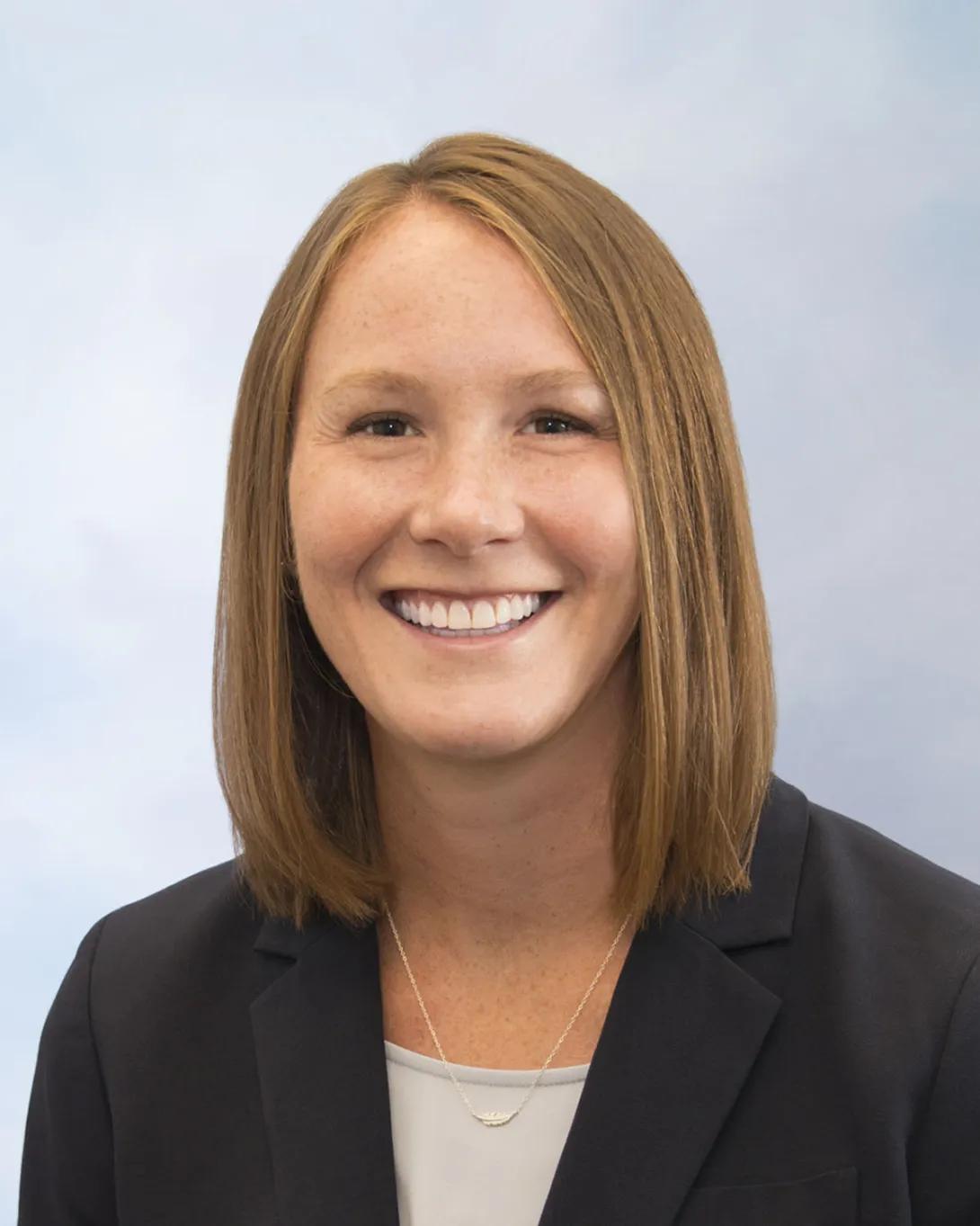
Emily Jacobson, MD
Clinical Assistant Professor of Pediatrics and Assistant Fellowship Program Director, Pediatrics
Medical School

Corrie Ziegman, DNP, RNC-NIC, NEA-BC
C.S. Mott Children’s Hospital
Jacob Sierocki, MBA
Department of Psychiatry
Featured News & Stories

Youth Suicide Prevention Initiative Fall 2026 Newsletter
Youth Suicide Prevention Initiative at the forefront of vital mental health care

Stephan Taylor, M.D., quoted in Ars Technica story, "Man told ChatGPT he was feeling delusional. ChatGPT insisted he was Jesus"

Family-focused mental health fair a wellness resource for the A2SF community

Are 988 and other mental health crisis lines missing people over 50?