T32 Digestive Disease Clinical Research Program
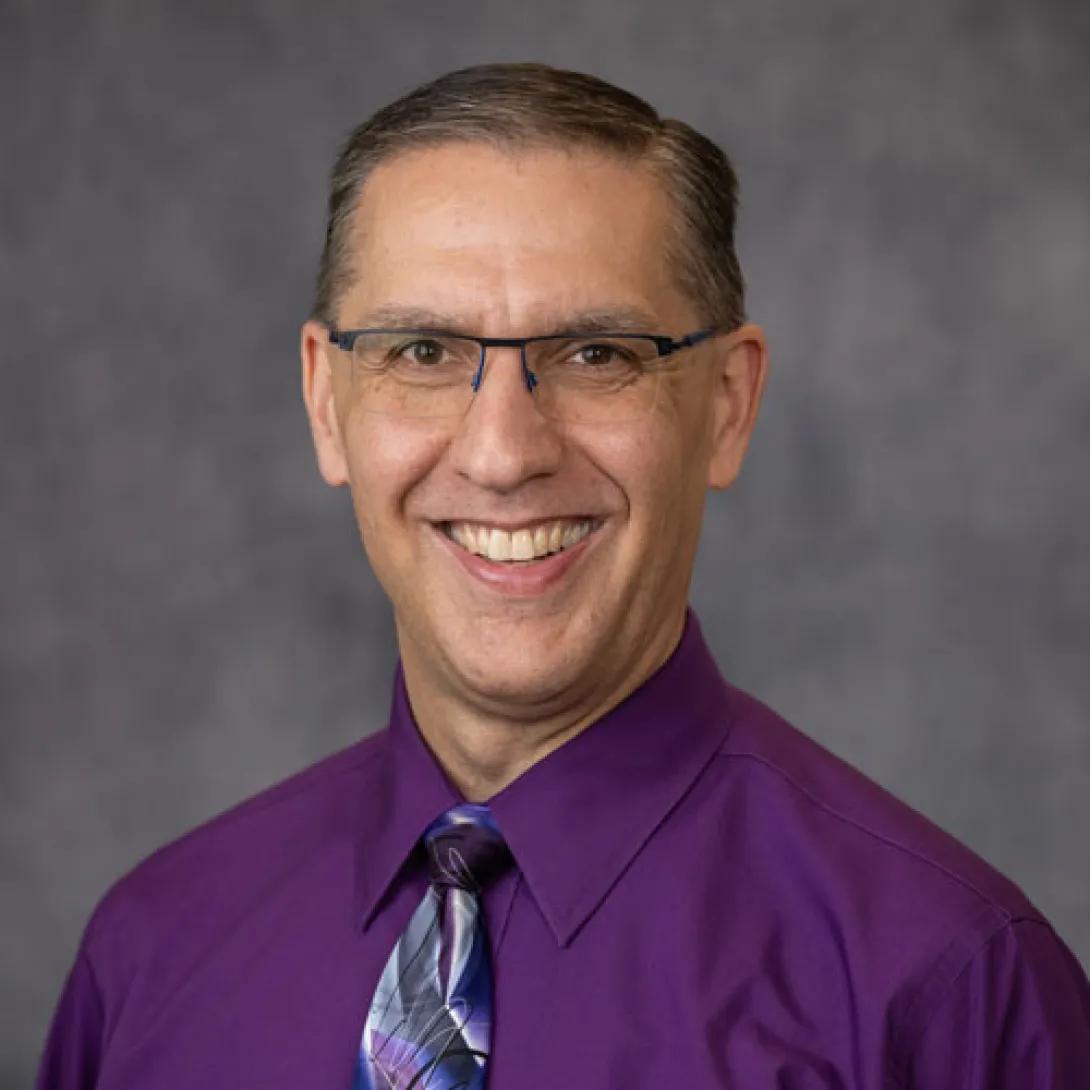
The NIH T32 Digestive Disease Clinical Research Program (DK062708), established in 2003, is directed by Dr. Peter Higgins and associate director, Dr. Elliot Tapper. They are supported by multidisciplinary core faculty that includes a clinical trialist, epidemiologists, behavioral economists, health policy experts, and outcomes researchers.
For More Information
Our core faculty come from the Division of Gastroenterology & Hepatology but also from the Division of General Medicine and the School of Public Health. The majority of our faculty have been awarded NIH funding for their ongoing research.
Program Goal
The goal of our four-year program is to train and develop future independent investigators and leaders in gastroenterology and hepatology clinical and health services research by providing selected fellows with:
- Core methodological skills in the design and execution of clinical research
- A structured, mentored research experience under the guidance of our world-class core faculty
With this training, our T32 fellows leave fellowship poised to compete for tenure-track faculty positions and secure external funding for further career development, ultimately leading to independent research careers.

Program Highlights
How to Apply
Our Clinical T32 trainees are selected from the pool of GI fellowship applicants based on a competitive application process. If you are interested in applying, please indicate your interest on your ERAS application, and we will reach out to you ahead of your interview day to ensure that you meet with faculty with aligned interests.
Please email [email protected] if you have questions or would like more information about our program.
Program Objectives
By the end of the program, trainees will have completed the below objectives.
- Master's degree focused on the design and execution of clinical research, either online through the U-M School of Public Health or in-person at the U-M Institute for Healthcare Policy and Innovation National Clinician Scholars Program.
- Focused GI clinical research seminar series, a comprehensive clinical epidemiology/health care policy seminar series, and ongoing seminars and workshops (Years 2–4)
- Multiple research projects (designed, executed, and published) under the guidance of a team of mentors, including gastroenterologists, hepatologists and methodologists (Years 2–4)
- Career development award application (Year 4)
Program Overview
Our training program is greatly enhanced by the rich, collaborative environment at U-M Health, with vast resources, centers, and research institutes, which include:
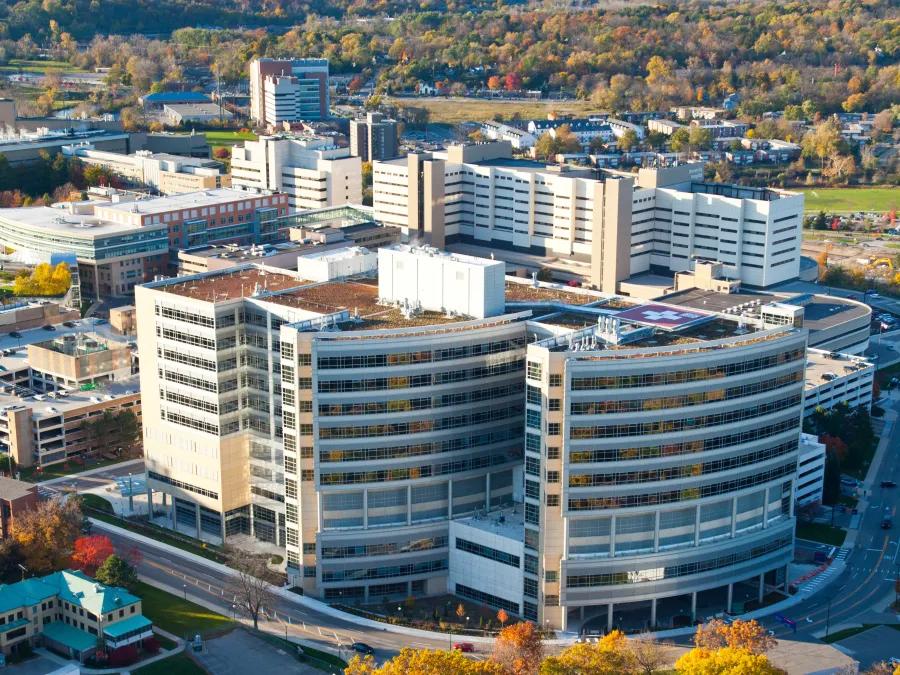
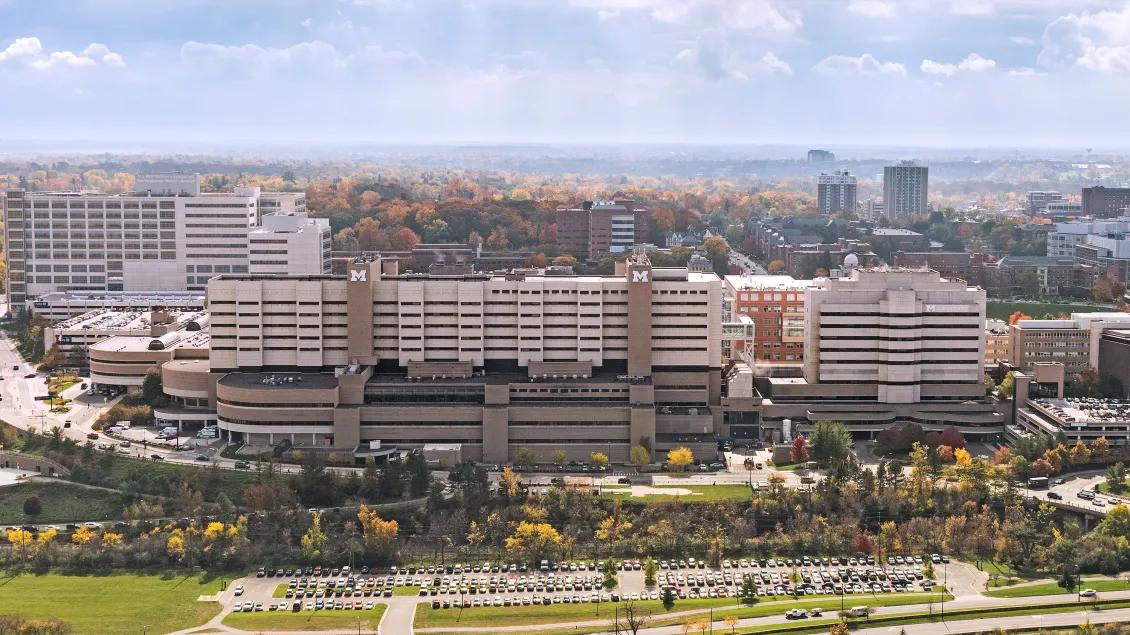
See Where Training Takes Place
Expand your career trajectory in a high-volume academic medical center that also supports and excels in a wide range of basic science, translational and clinical research programs.
Our Former Trainees Rave
“I am grateful for the Michigan T32 GI Epidemiology Training Program, which supported my training in health services research and medical innovation during fellowship and enabled me to obtain a tenure-track faculty position at Dartmouth-Hitchcock Medical Center. The T32 provided me with the foundational didactic knowledge and skillset as well as time to generate preliminary data that allowed me to successfully compete for a career development award supported by the AGA Research Foundation. Most importantly, the T32 provided the mentored opportunity to learn a team-based, multidisciplinary approach to academic research spanning several institutes at the University of Michigan and Michigan Medicine both inside and outside of the Division of Gastroenterology and Hepatology." - Eric Shah, MD, MBA, FACG
“The T32 supported my training in health services research as a fellow, allowed me to secure a tenure-track faculty position at a world-class research university, and provided me with the background and preliminary data to successfully compete for a career development award through ACG and more recently funding through the VA. It also provided me with mentoring from multidisciplinary faculty inside and outside our Division of Gastroenterology and Hepatology. As a result, I am now well on my way to an independently-funded research career.” - Megan A. Adams, MD, JD, MS
“The T32 supported my training in health services research as a fellow, allowed me to secure a tenure-track faculty position at world-class research University. It also provided me with the training, mentoring and preliminary data to successfully compete for a career development award through AASLD and later NIH. The clinical and research support I receive together with the protected time allowed me to establish myself as a nationally recognized expert at an early stage in my career. I was invited to co-author the AASLD guidelines on alcoholic liver diseases and have since been invited to speak at national as well as international meetings, and to be a visiting professor at other academic medical centers. I have also started giving back through mentoring of fellows and early career faculty at the University of Michigan as well as other hepatology programs.” - Jessica L. Mellinger, MD, MS
Our Faculty
Leadership
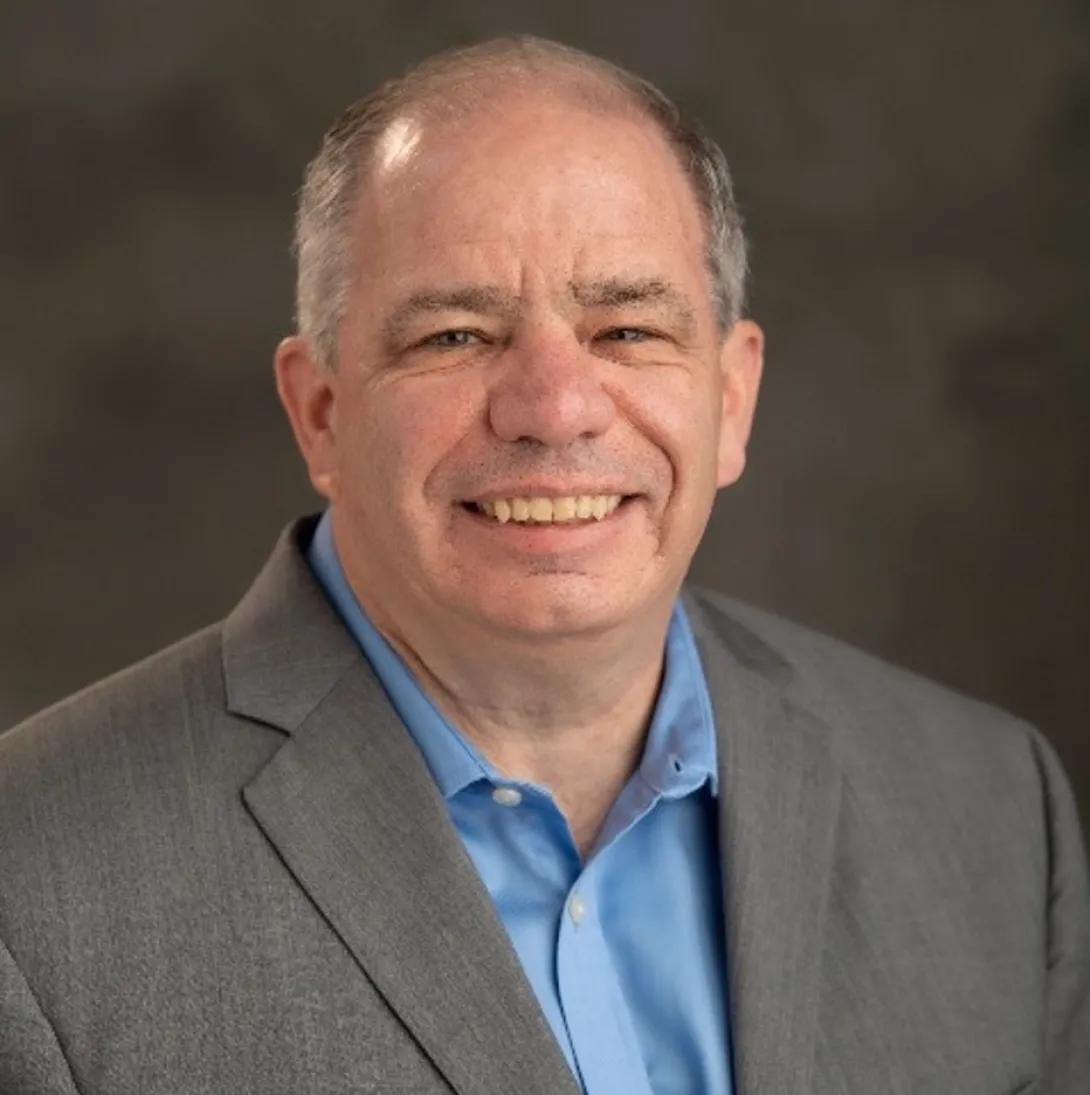
Peter DR Higgins, MD, PhD, MSc(CRDSA), AGAF
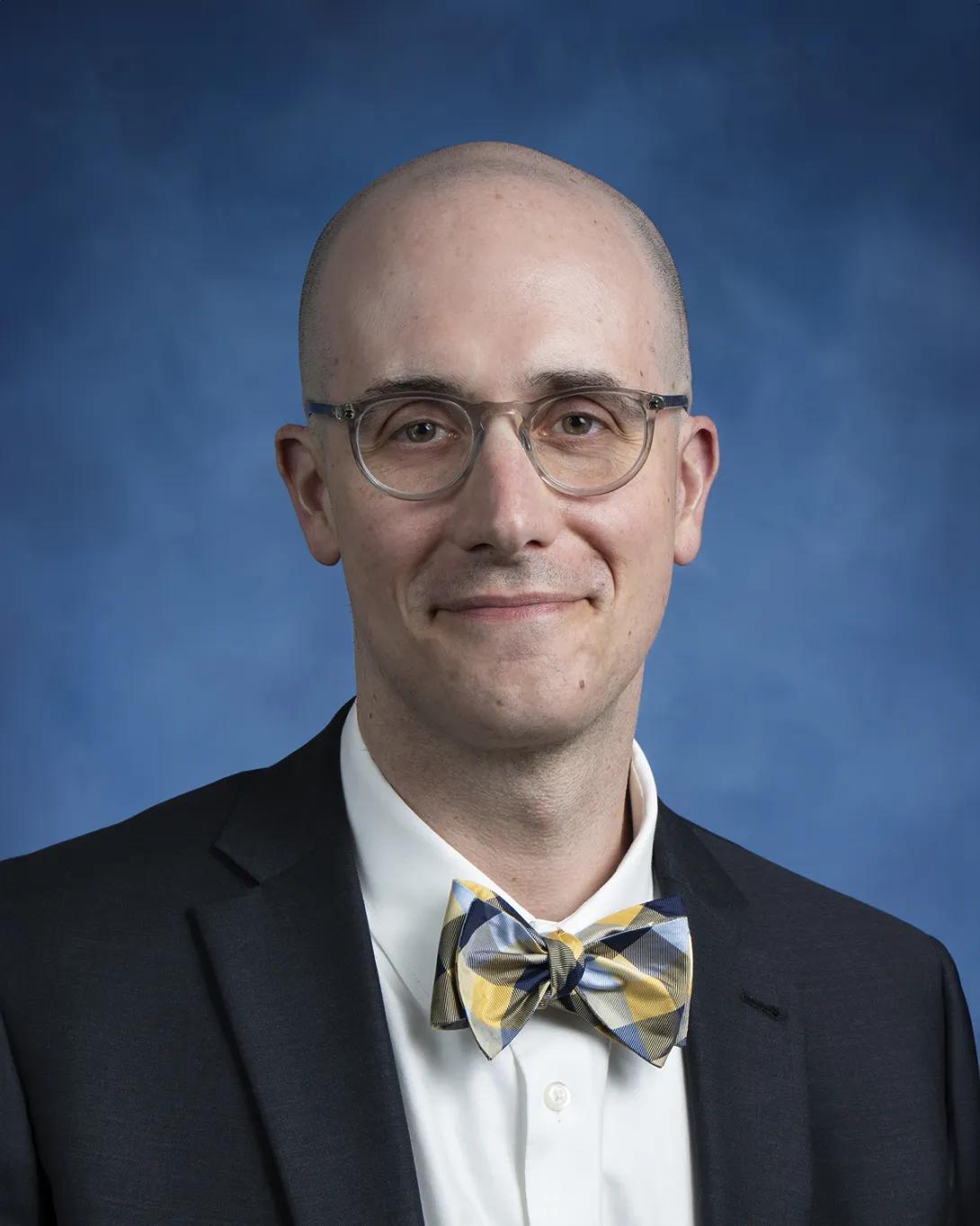
Elliot B Tapper, MD, FAASLD
Core Faculty
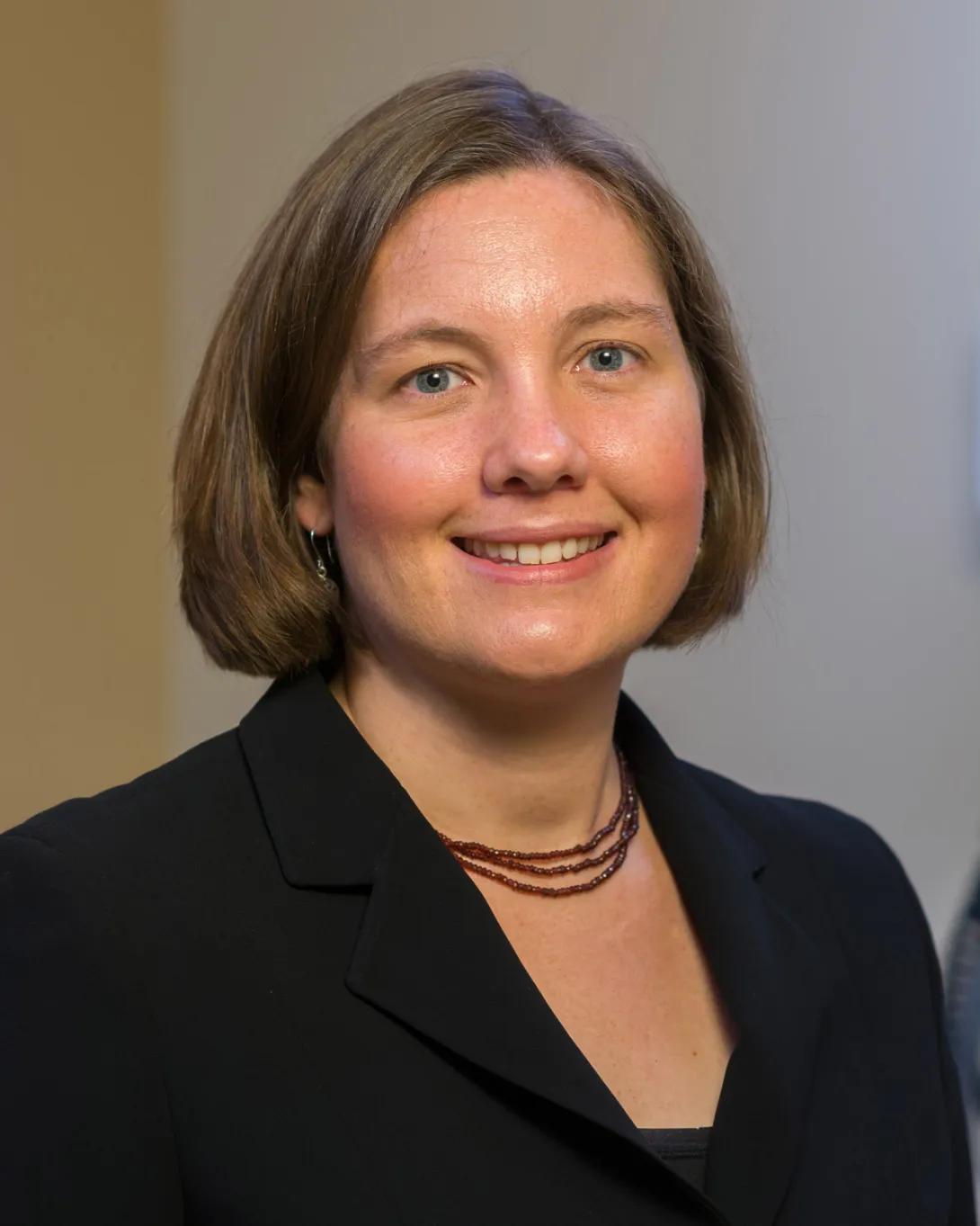
Megan Adams MD, JD, MSc
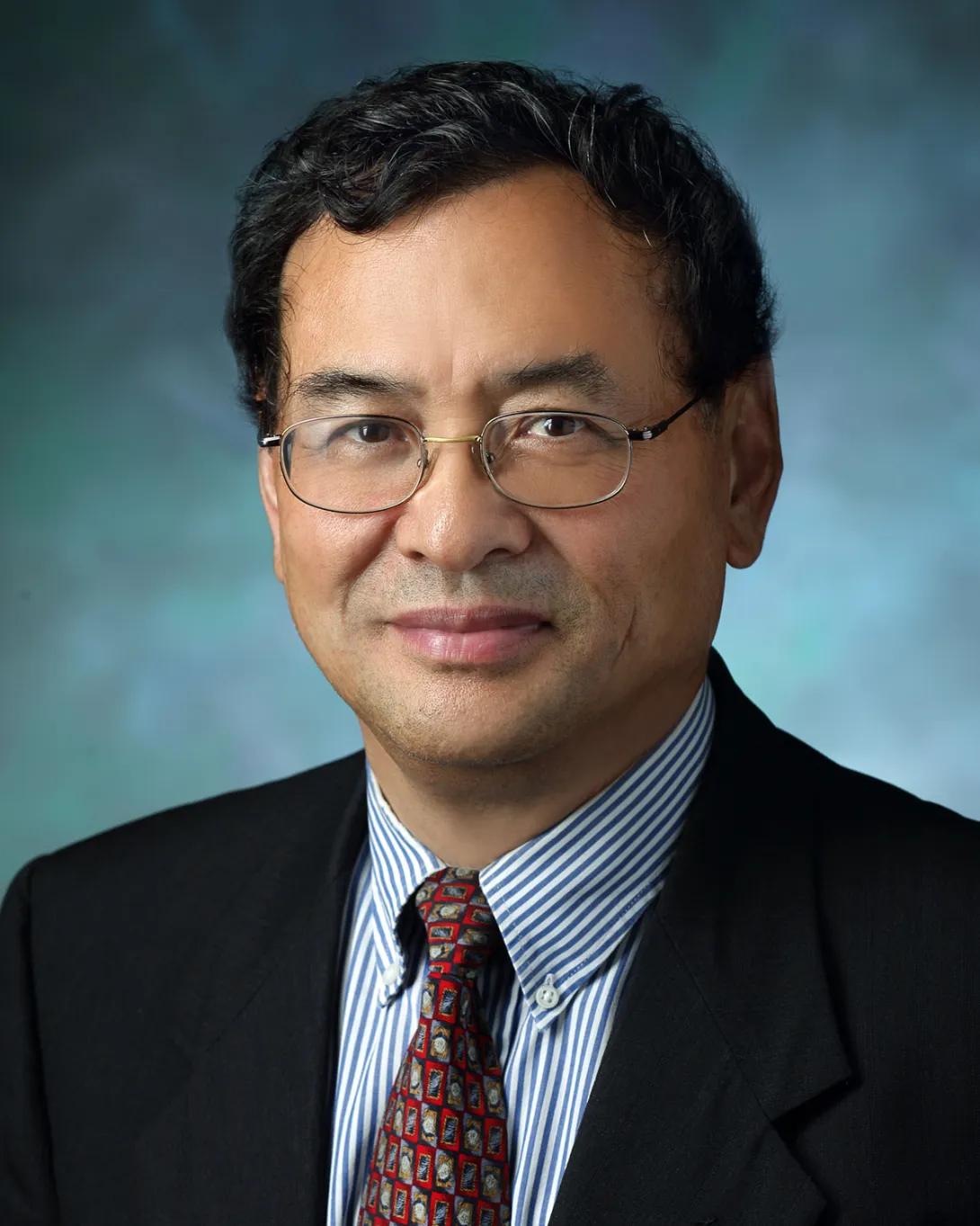
Jiande Chen, PhD
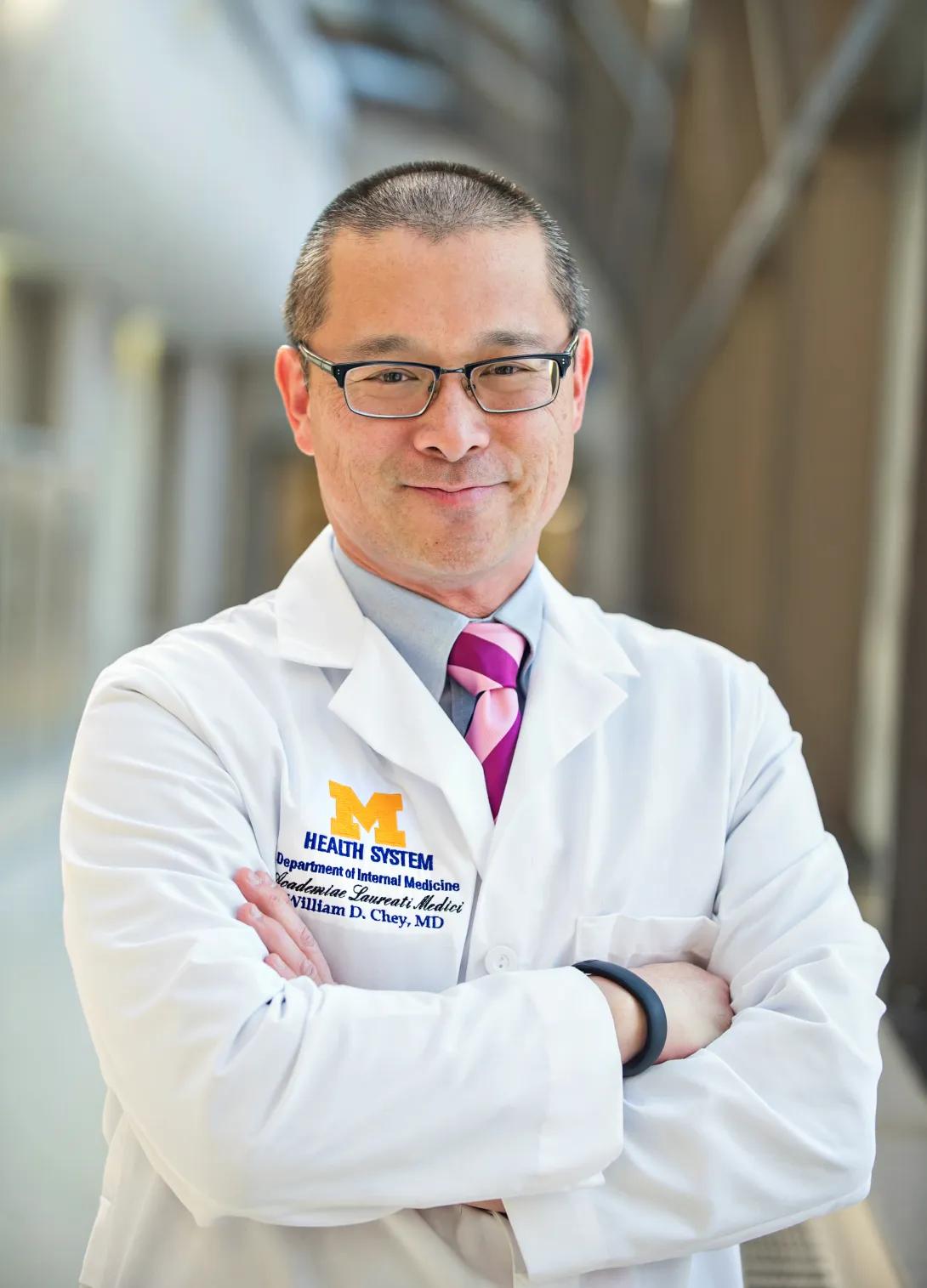
William D Chey, MD, MACG, AGAF, FACP, RFF
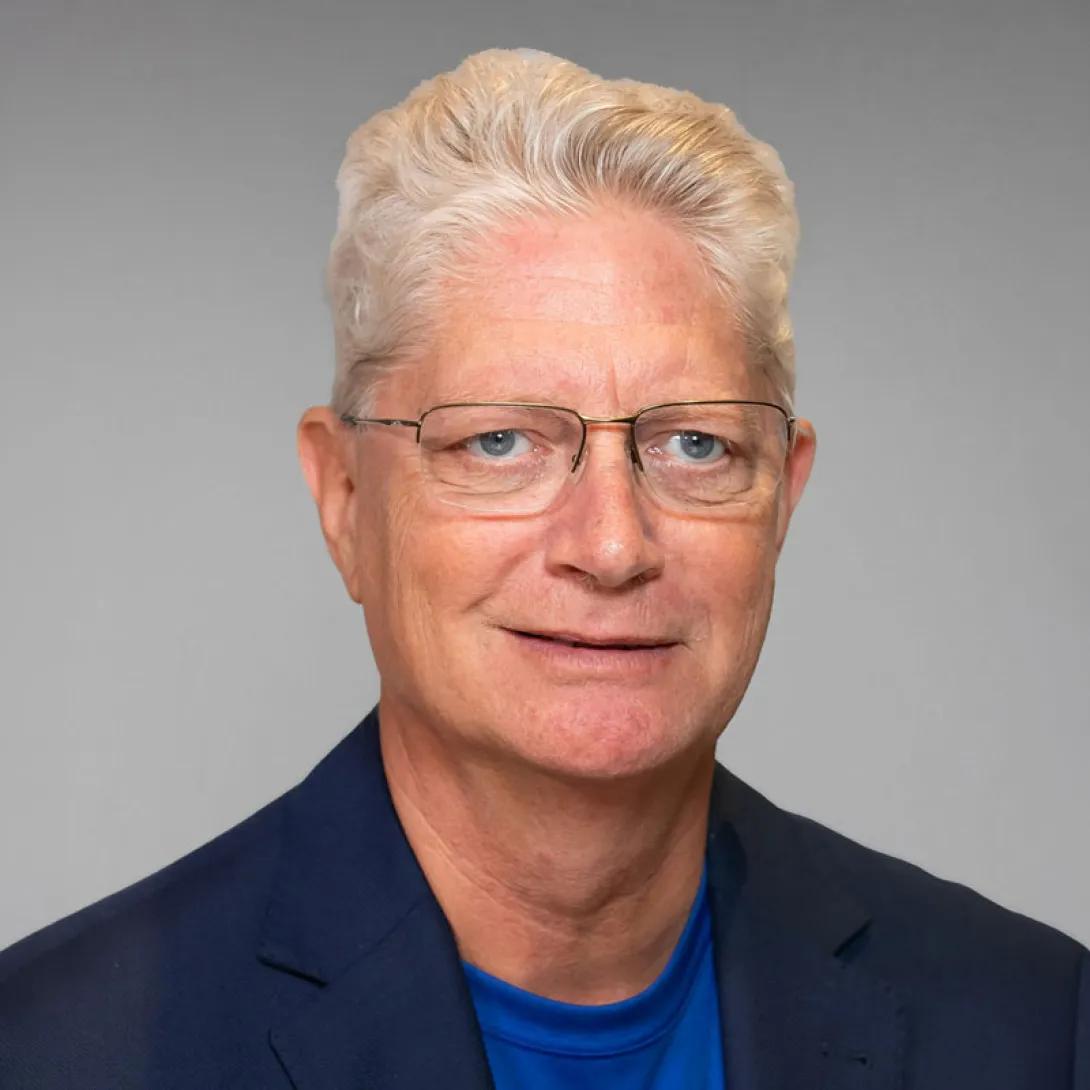
Daniel J Clauw, MD
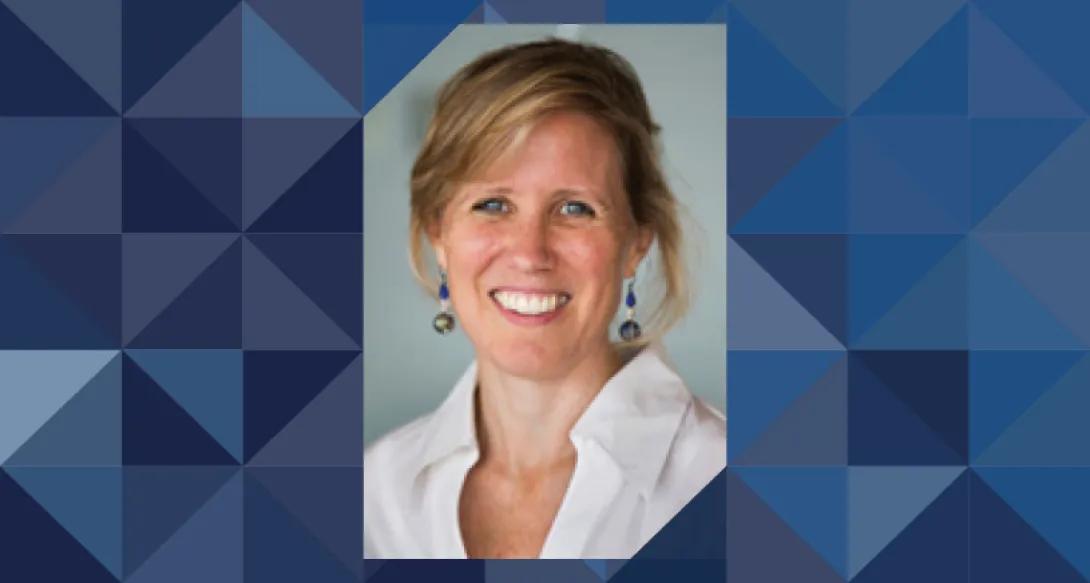
Amy Cohn, PhD
Arthur F Thurnau Professor, Professor of Industrial and Operations Engineering
Associate Director, Center for Healthcare Engineering and Patient Safety
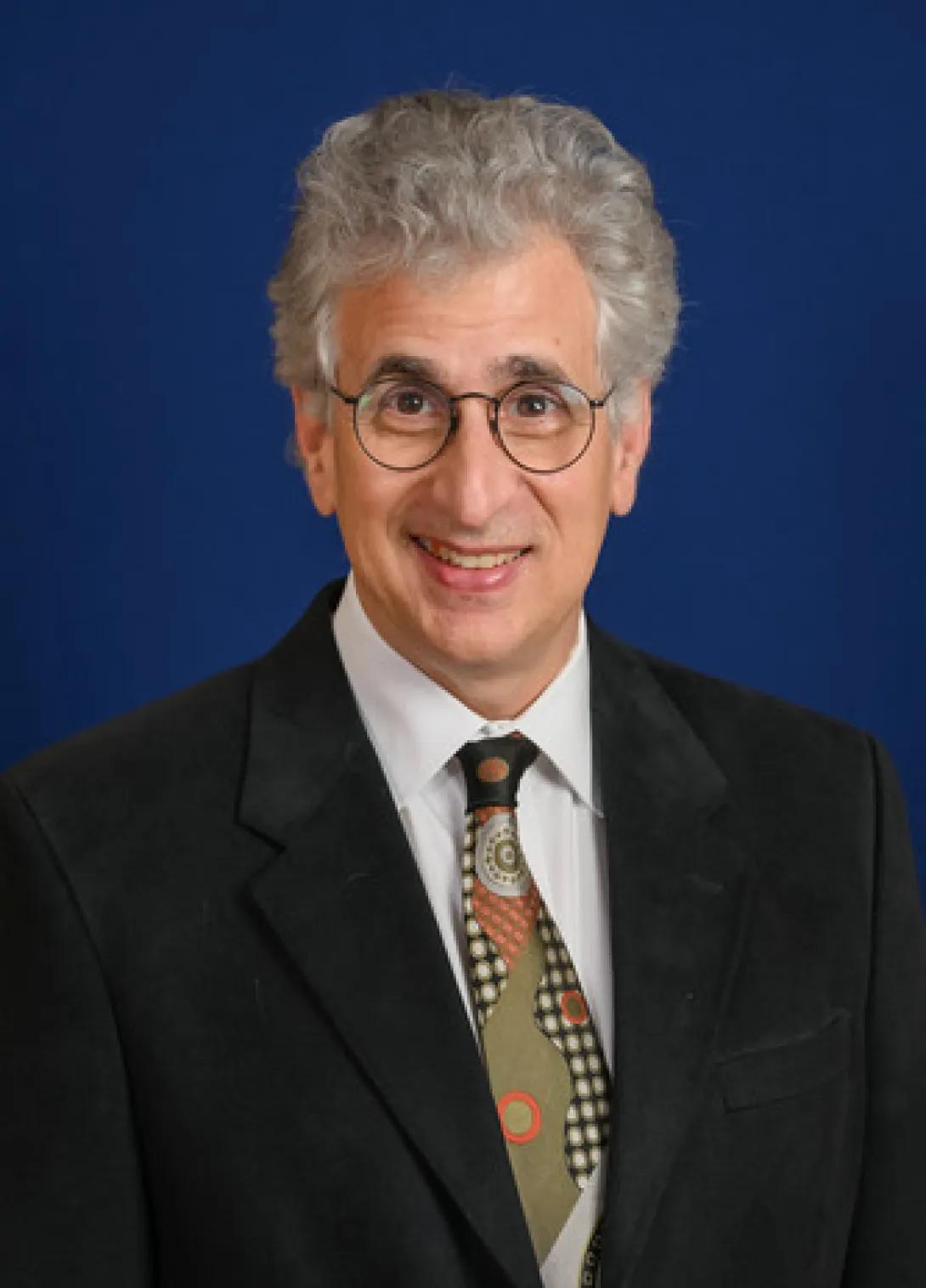
Robert John Fontana, MD
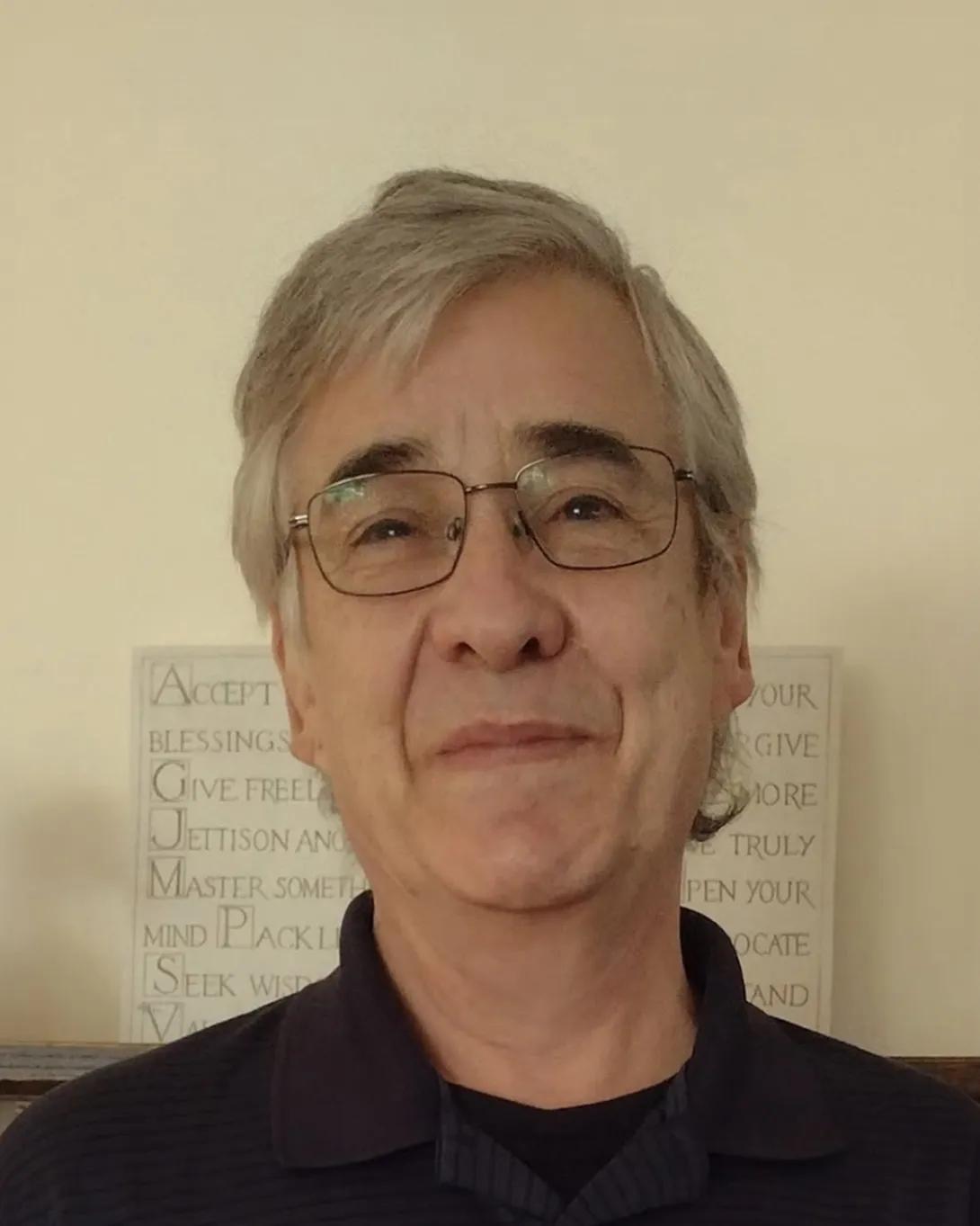
Rodney A Hayward, MD
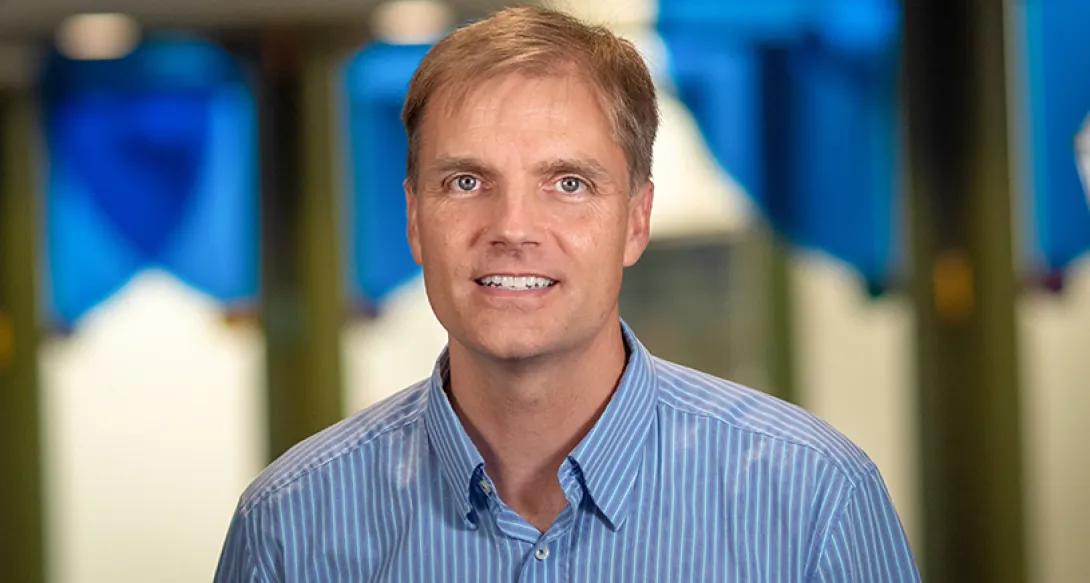
David Hutton, PhD
Professor, Global Public Health, School of Public Health
Professor, Industrial and Operations Engineering, College of Engineering
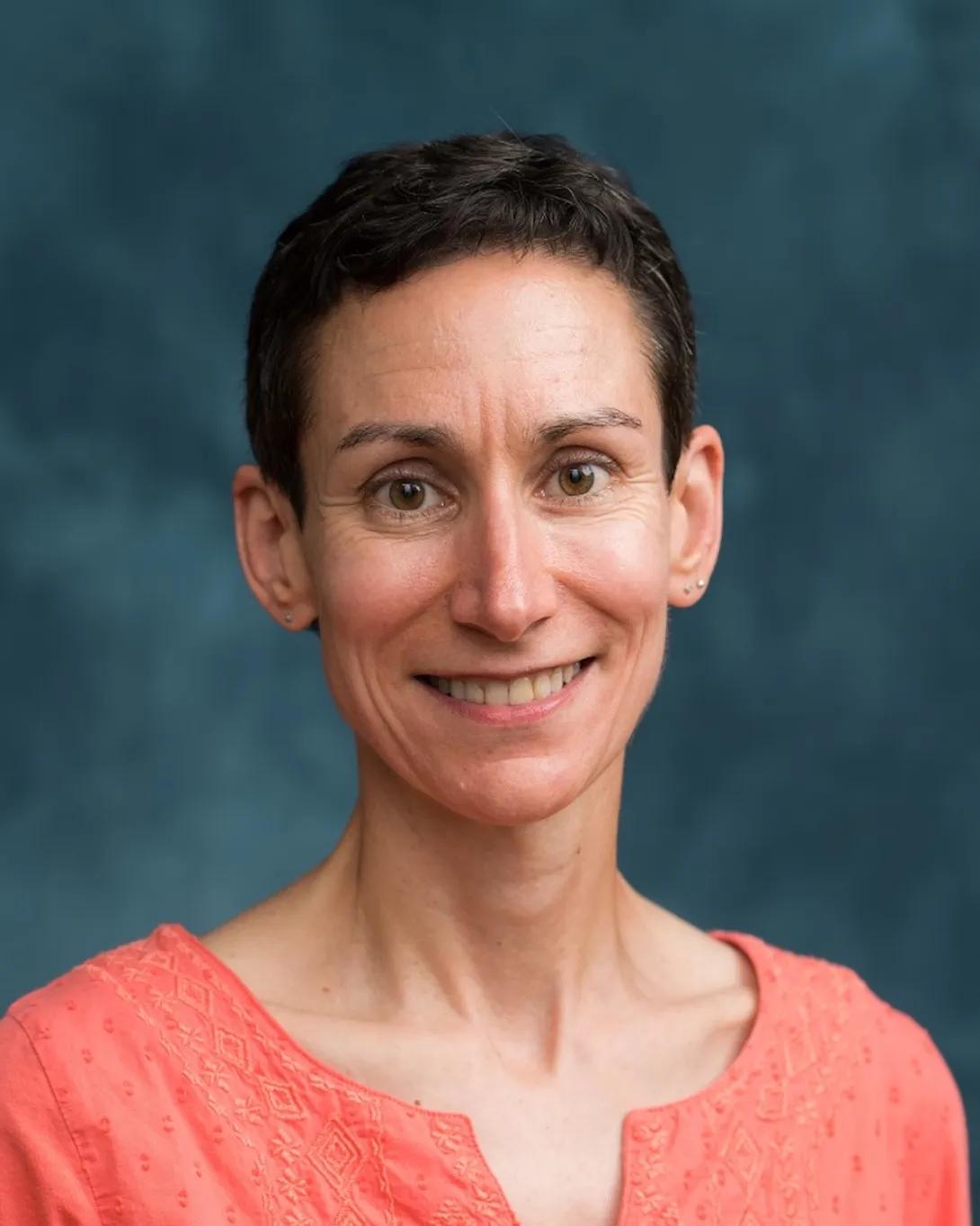
Sarah L Krein, PhD, RN
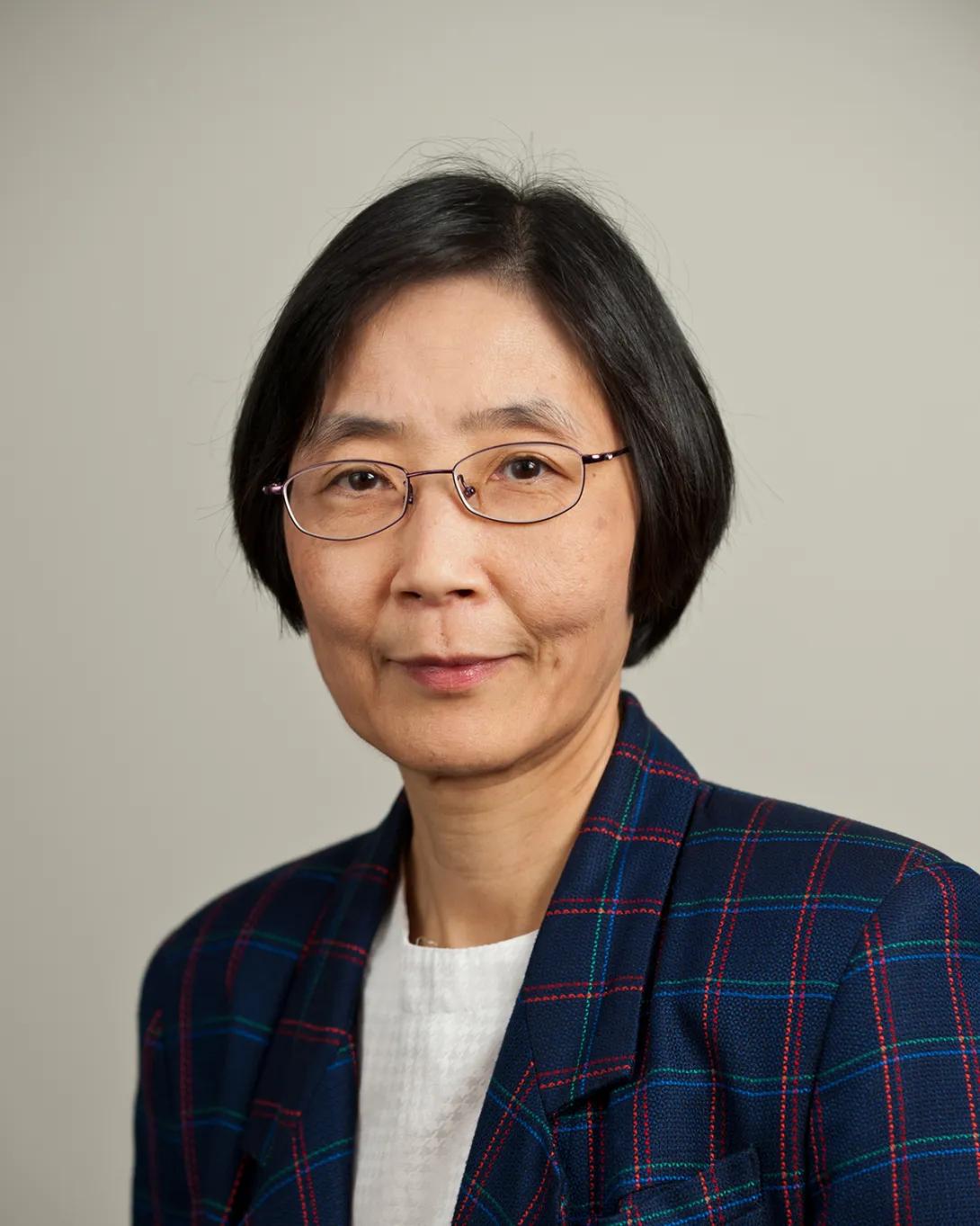
Anna Suk-Fong Lok, MD
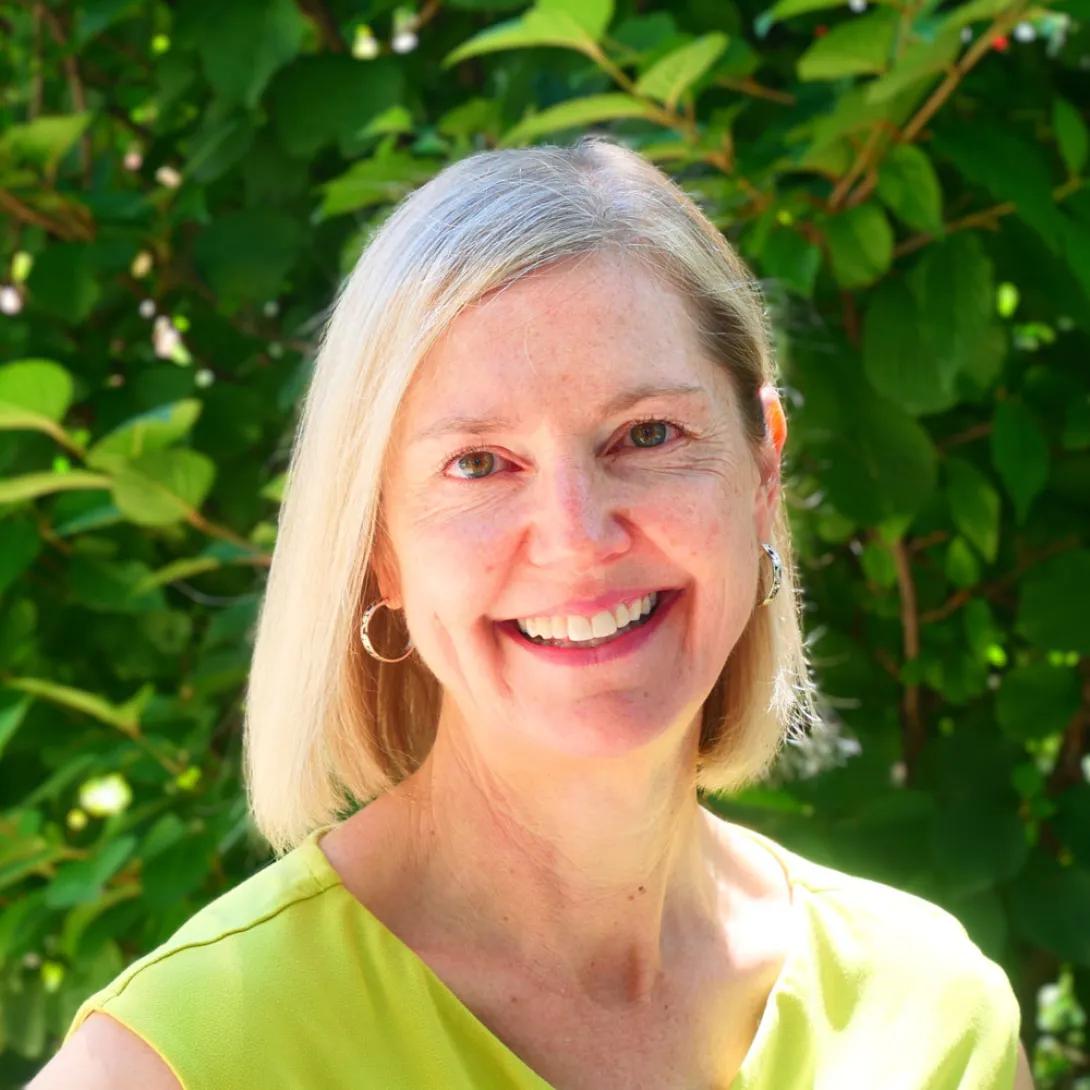
Susan Murphy, ScD, OTR
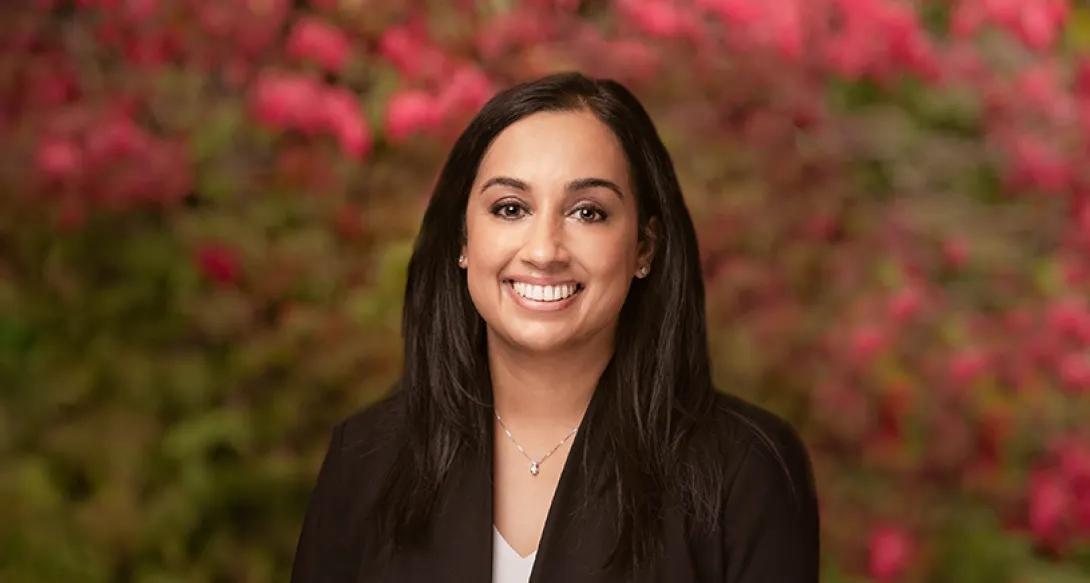
Minal Patel, MPH, PhD
University of Michigan
School of Public Health
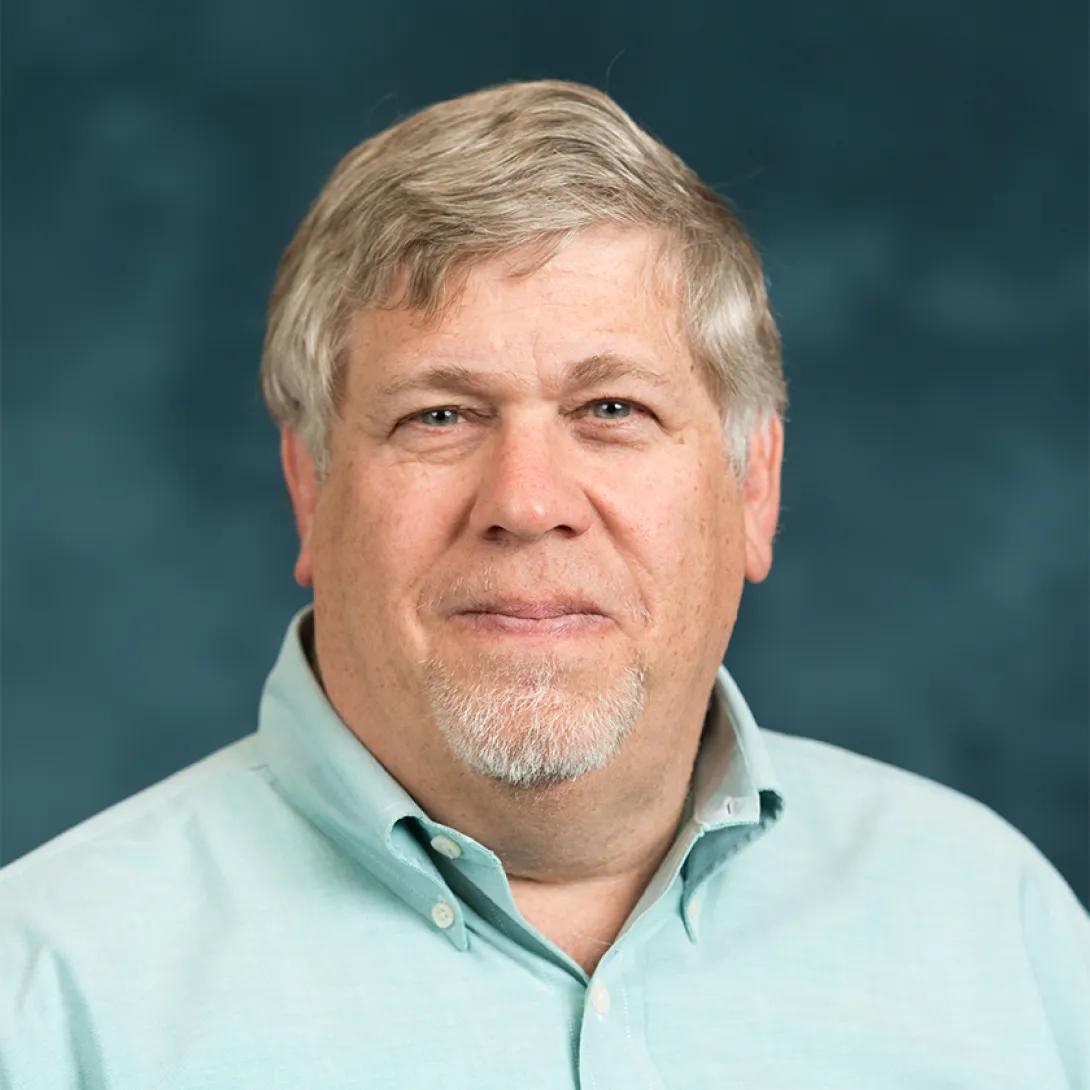
Kenneth Resnicow
Professor Emeritus of Health Behavior and Health Equity
School of Public Health
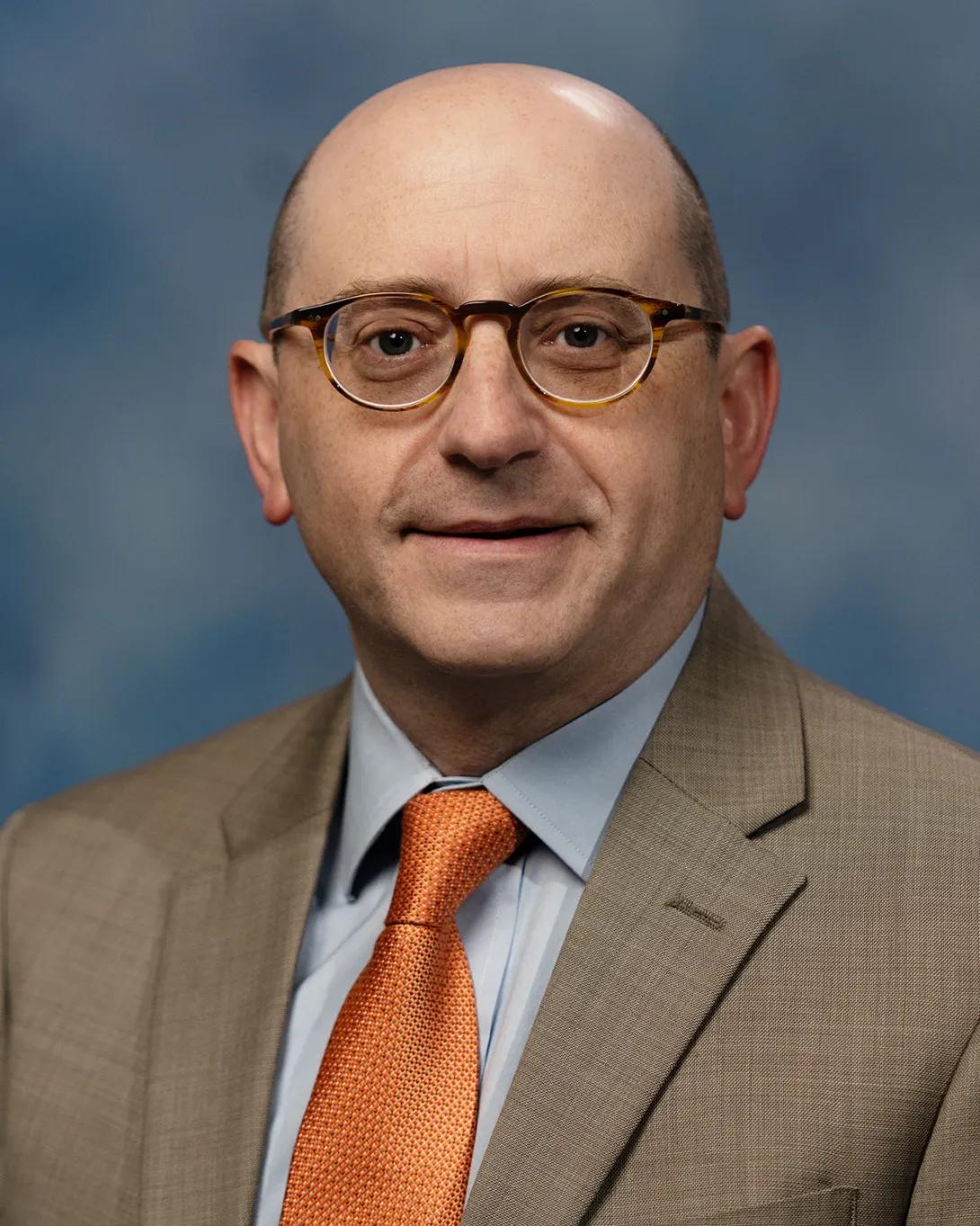
Joel H Rubenstein, MD, MSc, AGAF, FACG, FASGE
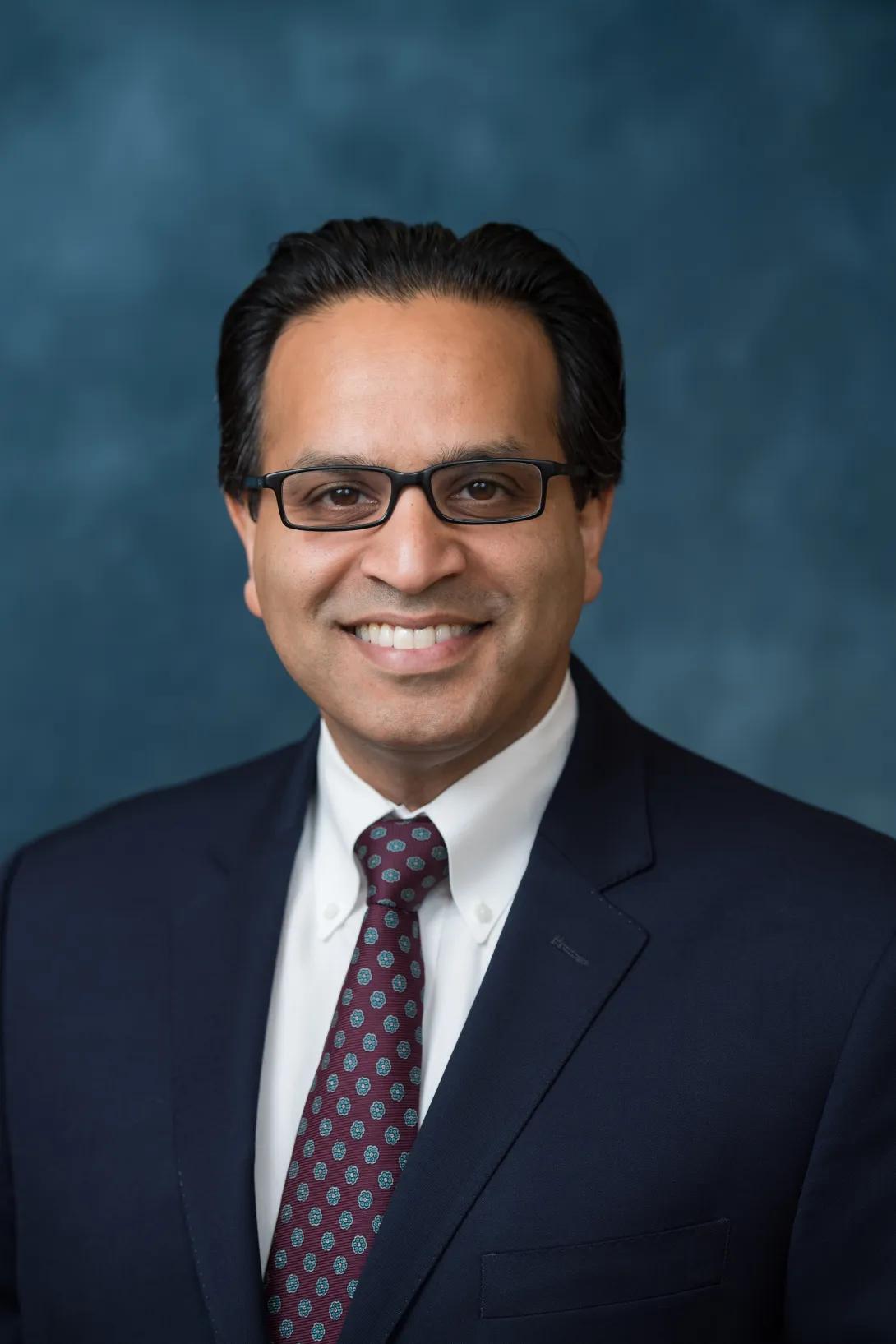
Sameer D Saini
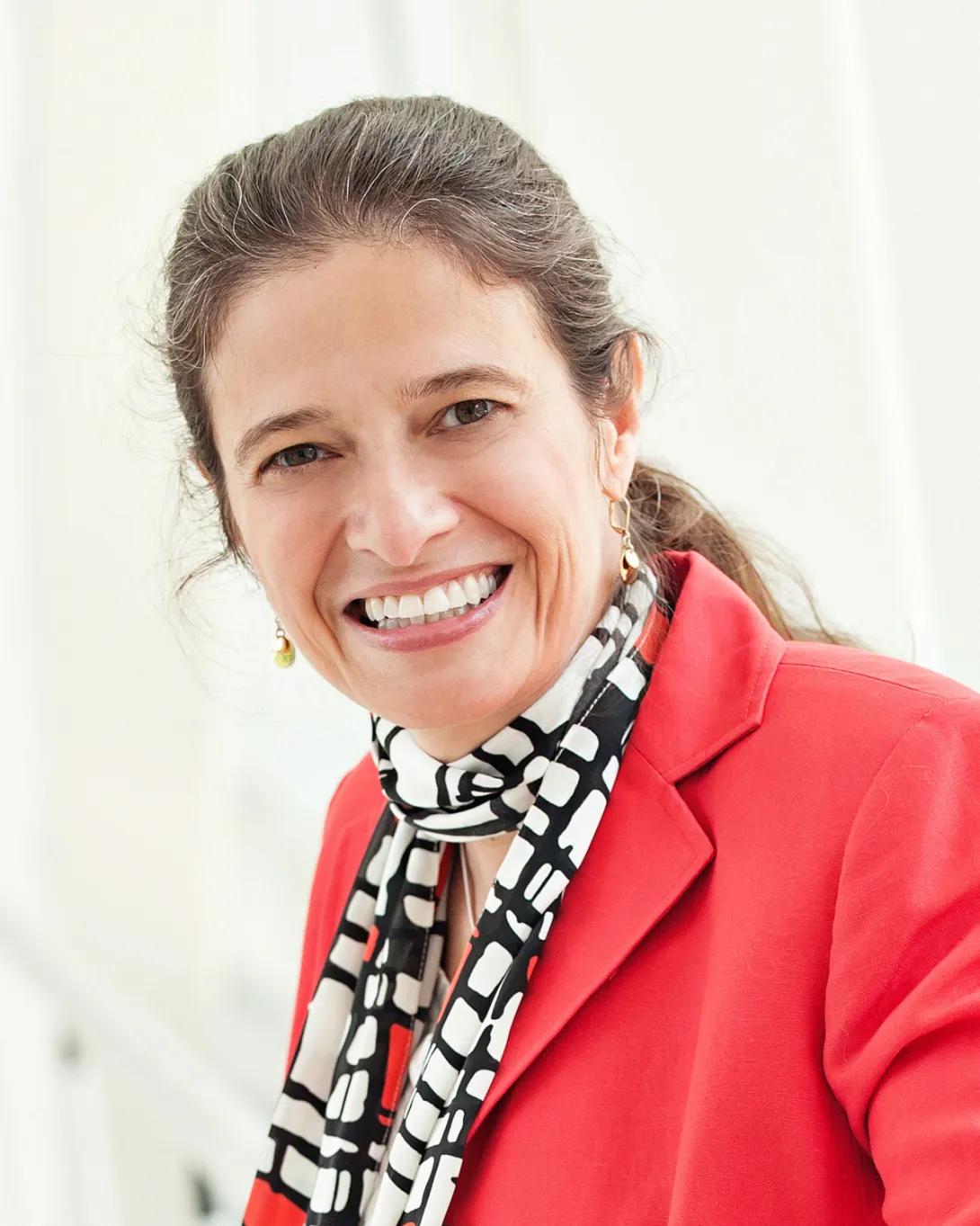
Elizabeth K Speliotes, MD, PhD, MPH
Ryan William Stidham, MD, MS, AGAF
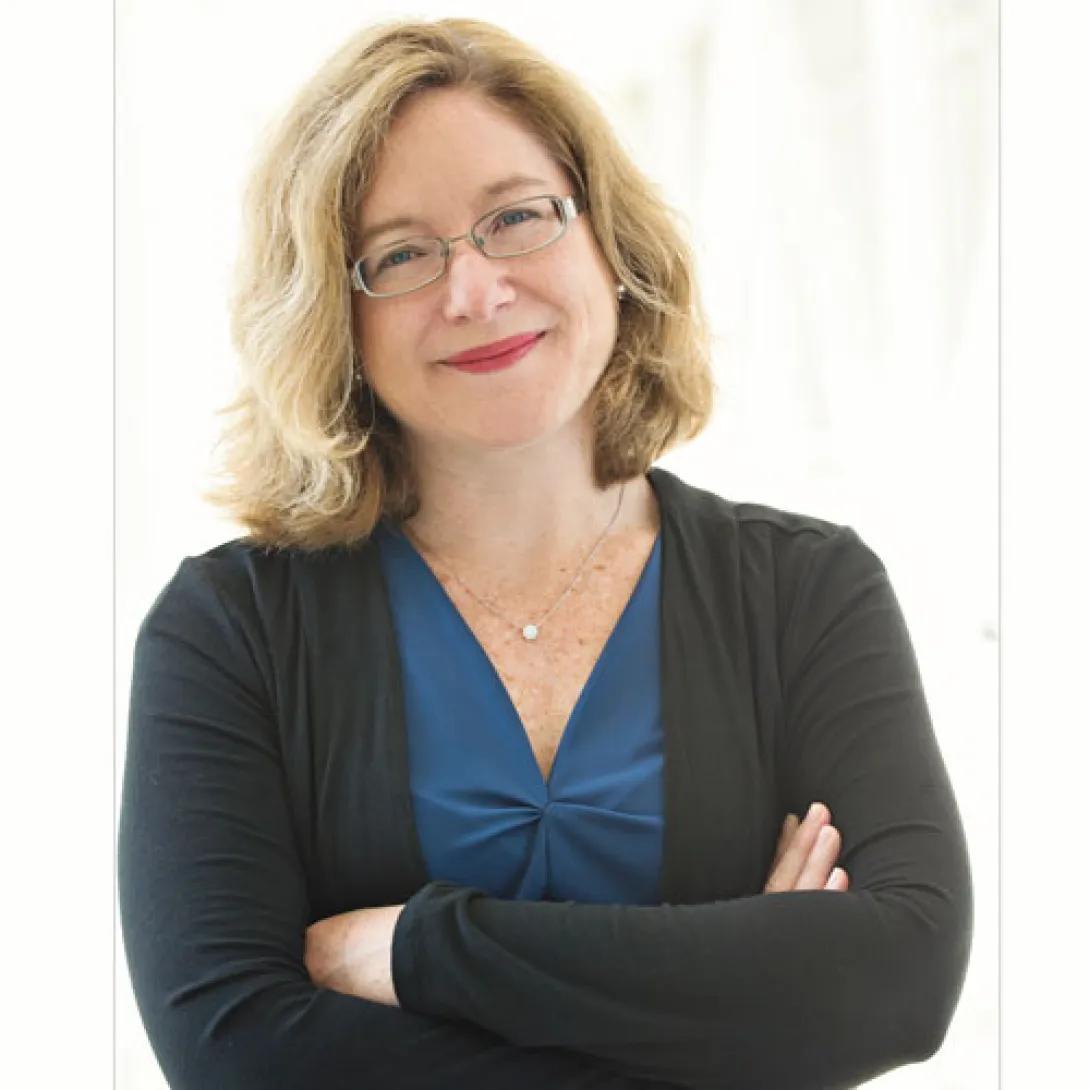
Elena Stoffel, MD, MPH
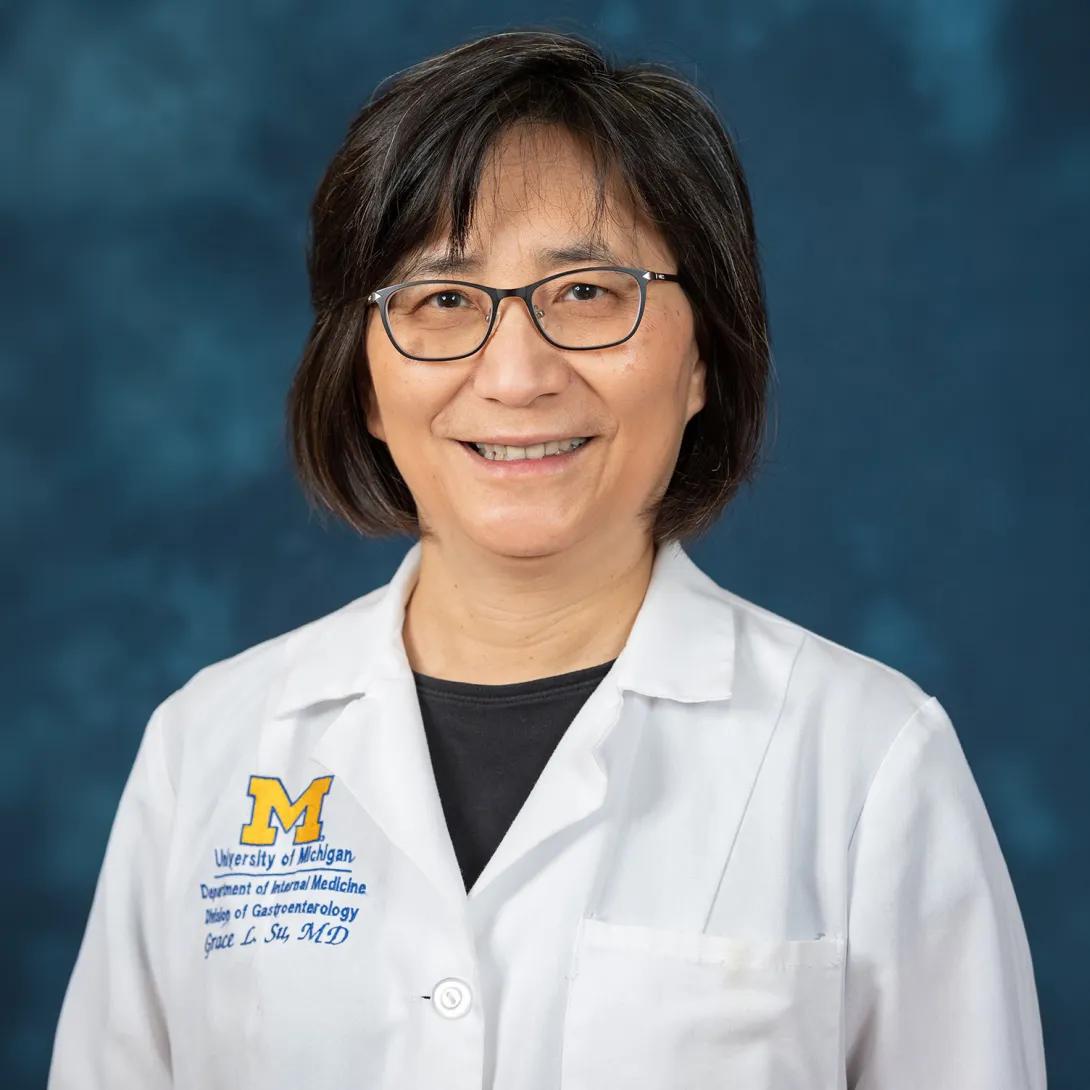
Grace Su, MD
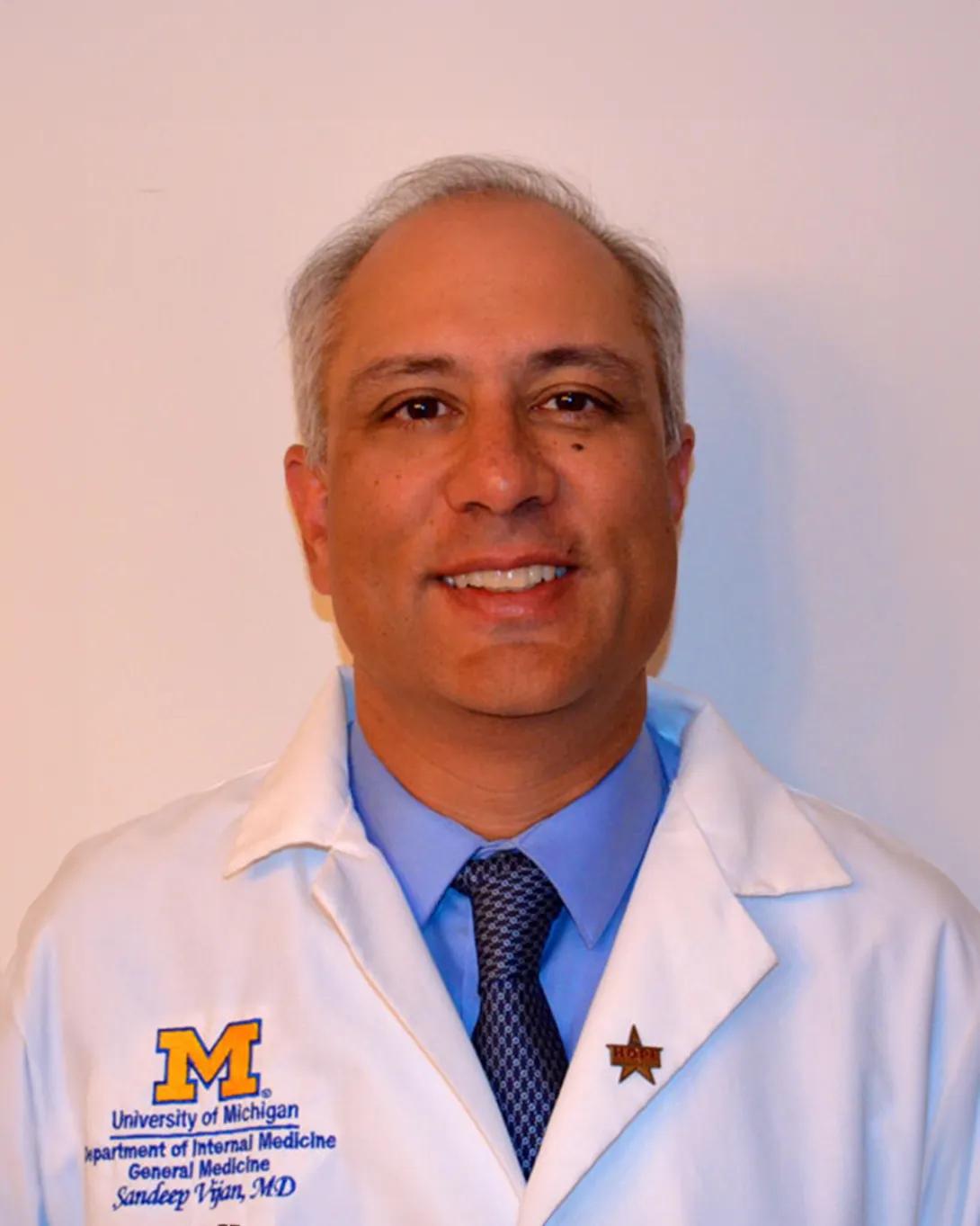
Sandeep Vijan, MD, MS
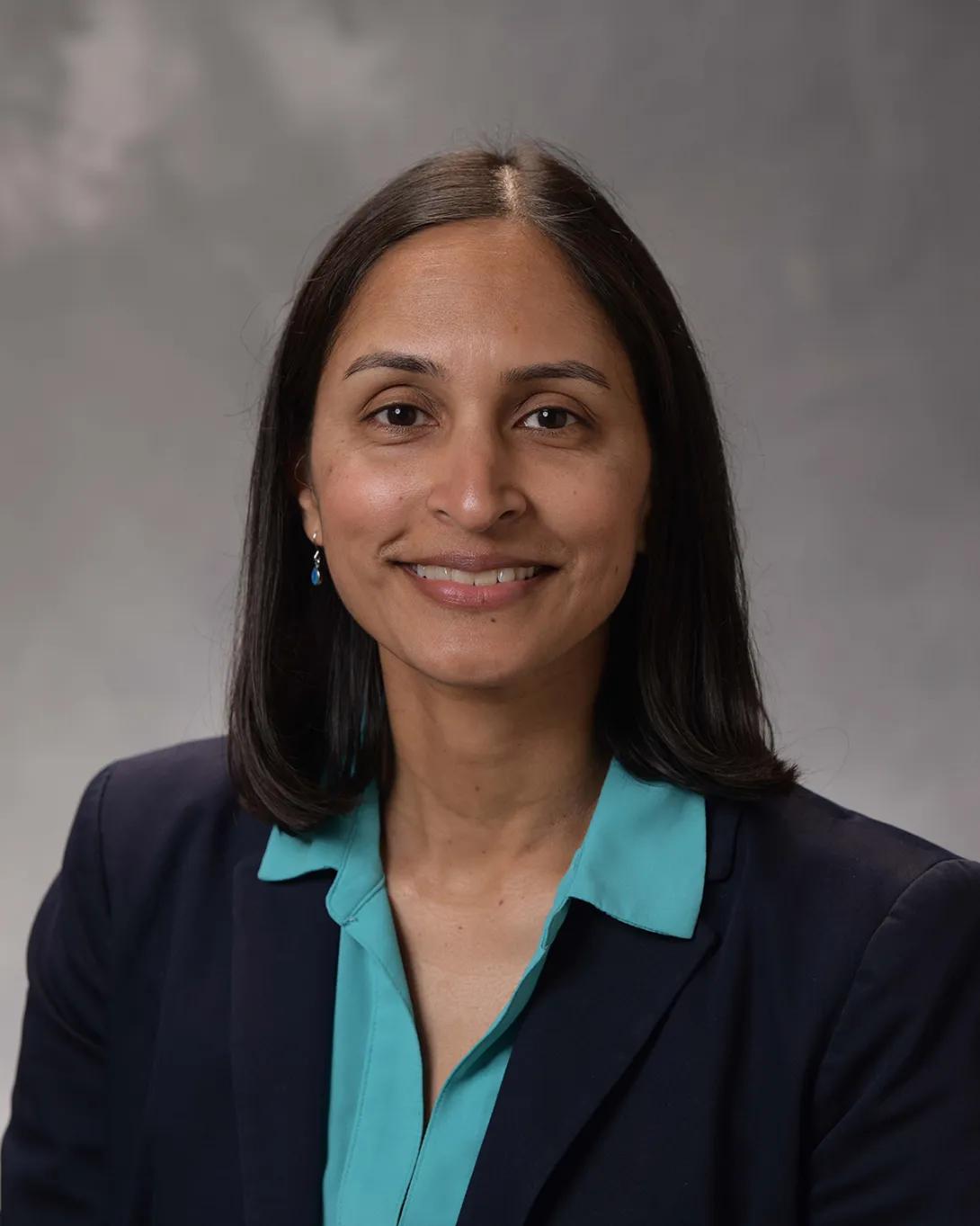
Renuka Tipirneni, MD, MSc, FACP
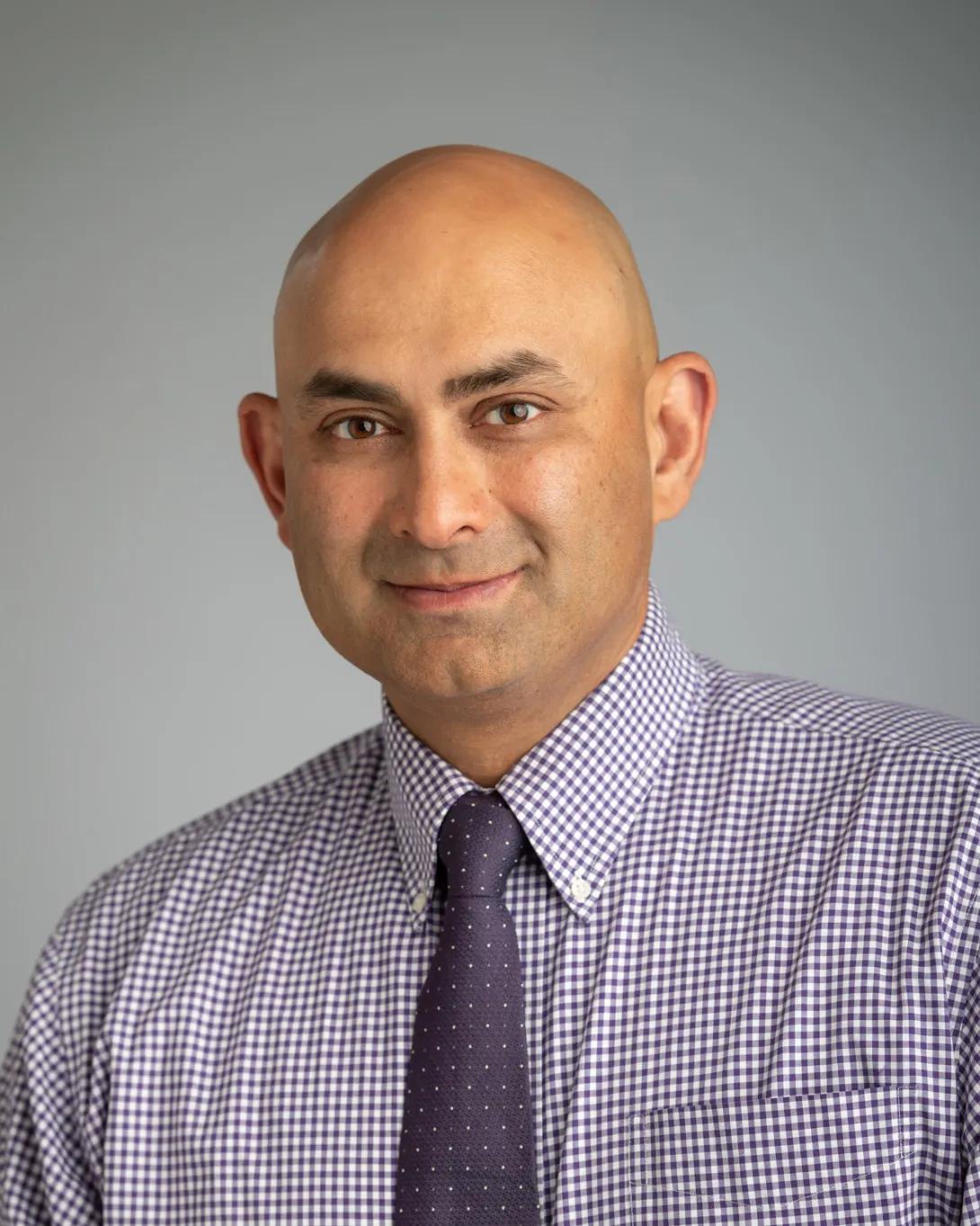
Akbar Waljee, MD, MSc